
The Science of Staying Together: What Research Actually Says About Relationships
Research suggests the ability to sustain a loving relationship is learned, not innate. Here is what the data says about what makes partnerships last, and what breaks them.

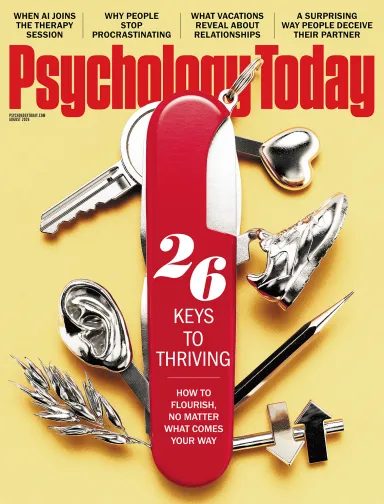
The ability to form a stable, loving relationship is not something people are born knowing how to do. It is learned, according to Psychology Today, and the process may begin in infancy through a child's earliest interactions with a caregiver who reliably meets basic needs for food, warmth, protection, and social contact. Those early patterns do not determine destiny, but they are theorized to establish deeply ingrained ways of relating to others that carry into adulthood.
That framing matters because it reframes relationship difficulty as a skill gap rather than a personal failing. The need for human connection appears to be innate. The competence to sustain one is not.
What healthy relationships have in common
Strong partnerships share measurable traits, according to Psychology Today. Both partners feel confident the other will devote time and attention. Both commit to accommodating differences that shift over time. In the 21st century, the outlet notes, good relationships are marked by emotional and physical fairness, including how household chores get divided.
Other recurring markers include gratitude between partners, openly giving and receiving affection, and honest conversations about sex. One behavioral pattern stands out: partners in durable relationships tend to give each other the benefit of the doubt, which produces a sense of being on the same team. Sustained over years, that dynamic helps couples absorb the challenges they will inevitably hit.
The clues that signal a real match
Finding a partner, whether online or in person, usually requires stepping outside familiar settings and comfort zones, according to Psychology Today. Distinguishing temporary infatuation from something more durable is difficult, but research suggests behavior offers revealing signals.
One counterintuitive indicator is a person's sense of self. A promising partner tends to push someone toward new activities or beliefs that expand their self-concept. Another early signal is stress: repeatedly interacting with someone whose opinion matters deeply can generate anxiety. Positive indicators also include strong motivation to see the person and a willingness to invest time, emotion, and energy into the early relationship.
Why relationships end
The traits that first attract two people can later become the irritants that separate them, according to Psychology Today. Threats emerge without warning, and the skills to make a connection last take work.
In casual relationships, one partner may exit without communication, a practice known as ghosting. Infidelity ends some relationships outright, though a notable share survive betrayal, only to be undone later by more mundane pressures: declining physical intimacy, or the erosion of good feeling under steady criticism, contempt, or defensiveness.
Longevity offers no guarantee. The divorce rate for couples over 50, sometimes called gray divorce, has doubled since 1990, according to Psychology Today. And the emotional aftermath varies widely. Some people leave a long marriage feeling immediately unburdened, while others carry lasting distress from a relationship that lasted only a few dates. However a breakup unfolds, it registers as a significant stressor with real effects on self-esteem.
The takeaway
The research does not offer a formula, but it does point away from the idea that good relationships happen by luck. The behaviors associated with lasting partnerships, fairness, attention, gratitude, and the willingness to extend trust, are observable and, in principle, practicable. That is a more useful frame than romantic fate, even if it is a harder one.