
Three century-old Korean temple toilets set for heritage status
South Korea's heritage authority has preliminarily designated three functioning Buddhist temple toilets as National Folklore Cultural Heritage, marking the first such recognition for these structures.

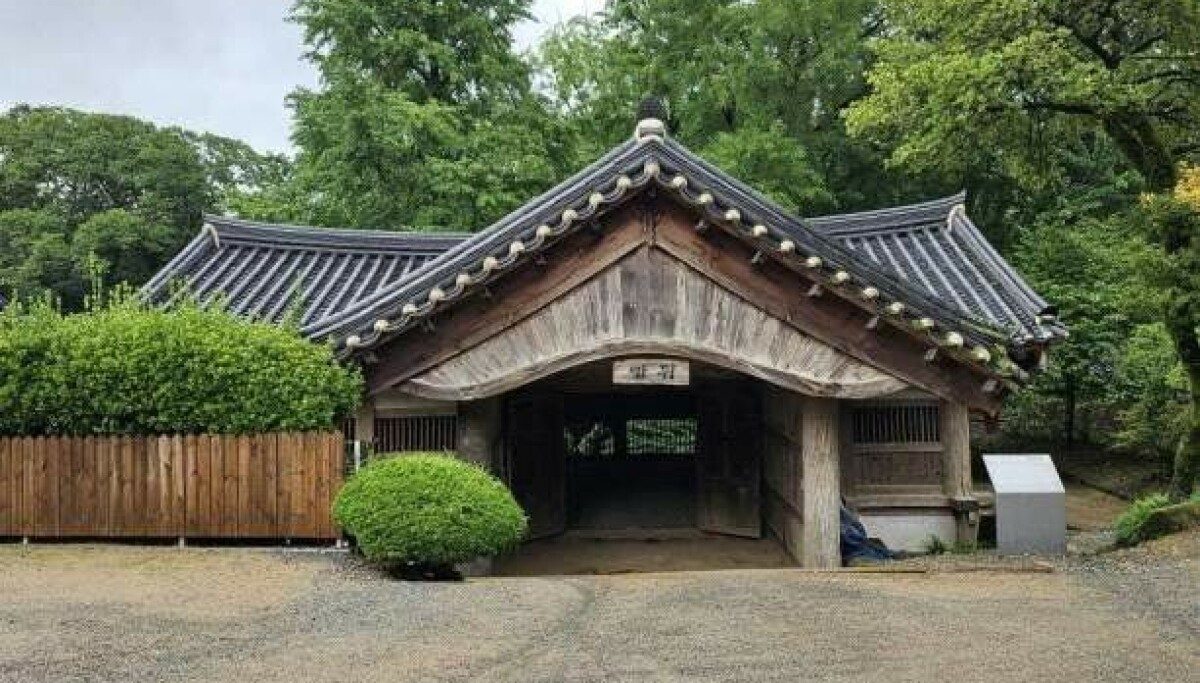
Three Buddhist temple toilets in South Korea are to be designated as National Folklore Cultural Heritage, marking the first time such facilities will receive state protection. The Korea Heritage Service announced the preliminary designation on Tuesday for structures at Seonam Temple in Suncheon, South Jeolla; Bodeuk Temple in Yeongwol, Gangwon; and Haein Temple in Hapcheon, South Gyeongsang.
All three remain in active use today. Known in Korean as haewuso, the term literally translates to "a place to cast away worries." According to the heritage service, the name originated after the 1950–53 Korean War, coined by the late monk Gyeongbong of Tongdo Temple as a metaphor encouraging people to leave behind their concerns.
A rare snapshot of monastic life
The structures carry exceptional historical value because they retain both their original locations and architectural forms while still functioning as working toilets. This combination is uncommon. The three sites also document temple life that risks disappearing as monastic practices evolve.
Each facility was built on sloping ground and designed without doors, using only chest-high partitions. Vertical wooden slats positioned at eye level serve multiple purposes: they improve ventilation, admit natural light and provide outward views. This open-air design reflects practical Buddhist architecture adapted to Korean terrain.
The oldest structure is at Bodeuk Temple, built in 1882 according to ink inscriptions on the beams. Haein Temple's toilet dates to 1910. Seonam Temple's structure appears to have taken its current form by at least the 1920s, based on photographs from the 1910–45 Japanese colonial period and inscriptions documenting 1928 repairs.
Expanding heritage's definition
The designation broadens how South Korea defines national heritage. "It recognises the everyday living spaces of Buddhist monastic communities," the Korea Heritage Service said, moving beyond traditional emphasis on places of worship alone.
The three facilities also exemplify sustainable practices. Monks traditionally fermented human waste with rice husks and fallen leaves before using it as fertilizer, reflecting an early form of resource recycling. Such methods reveal Buddhist communities' pragmatic engagement with their environment centuries before modern sustainability discourse.
The heritage service will review public comments collected during a 30-day notice period before the Cultural Heritage Committee makes a final decision on the designation.