
America Lost the Iran War. Here’s What Needs Fixing.
The U.S. military achieved tactical victories against Iran but failed to secure political objectives. With shipping lanes disrupted and energy markets threatened, America must rethink regional strategy, infrastructure, and deterrence.

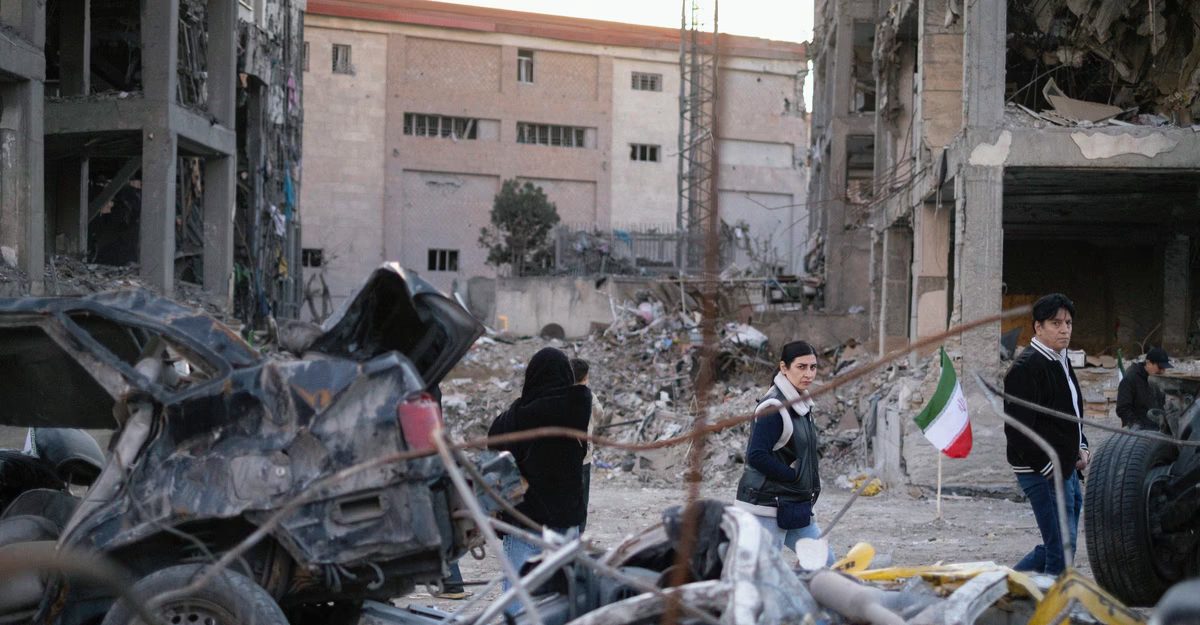
The United States has lost its war with Iran. Not in the conventional military sense—the Pentagon has inflicted substantial damage on Iranian military assets and nuclear infrastructure. But in the way that matters: politically and strategically.
Defense Secretary Pete Hegseth argued before the Senate this month that Washington achieved a "historic military victory." Yet military victories mean little if they fail to secure political objectives. The conflict has produced conditions markedly worse than pre-war. Iran's previous supreme leader, cautious despite extreme views, has been replaced by leadership that is both more extreme and less hesitant to confront the United States and regional partners.
Two critical shipping chokepoints now face Iranian pressure. The Strait of Hormuz, open before the conflict, is largely closed. The Bab el-Mandeb Strait appears controlled by the Houthis, Iran's Yemeni partners. In spring, American energy executives warned of imminent oil and gas shortages—fears temporarily eased by reduced Chinese imports. But Exxon and Chevron have since cautioned that an energy crisis is now inevitable without improvement, with potential consequences for the global economy.
The military stalemate
The Pentagon has already spent $37.5 billion on this war, though actual costs are almost certainly higher. Yet the U.S. lacks a viable military solution. Iran can threaten tanker traffic through the Strait of Hormuz using inexpensive drones. The conflict has revealed Tehran's psychological leverage over shipping companies and insurers—so effective that Iran barely needs mines to disrupt trade.
American military planners appear to have underestimated how cheap, accessible drone and missile technology could neutralize precision-weapons advantage. Ukrainian forces have demonstrated for years how effective low-cost drones are against conventional military assets. Yet American troops continue taking casualties from Iranian drones in their barracks, suggesting inadequate countermeasures were implemented. This failure reflects shortcomings across the Trump administration, military services, and their leaders alike.
The Iran war may prove to be the easiest drone conflict America will ever fight. Countering this technology will only grow harder as it proliferates globally.
Rerouting energy supplies
The Strait of Hormuz now operates under a degree of Iranian control that did not exist before the conflict. Washington and its allies must devote substantial resources to securing alternate oil routes to global markets.
Saudi Arabia operates the East-West Pipeline, built during the Iran-Iraq War, which currently moves roughly 7 million barrels of oil daily. The kingdom is considering doubling capacity. The United Arab Emirates has a similar pipeline bypassing the strait, with capacity expansion likely needed as well. Chevron is reportedly discussing a new pipeline through Syria to move Iraqi oil to market.
Oil infrastructure in the Gulf remains vulnerable to Iranian drone strikes, but pipelines are relatively quick to repair. The U.S. should encourage Saudi and Emirati officials to extend pipeline branches through Yemen and Oman, binding those nations to maintaining free energy flows.
Restoring deterrence
Prior to last summer, Iran had not seriously threatened oil and gas flows through the Strait of Hormuz in decades. It likely refrained from rapid nuclear advancement largely because American military power deterred such moves. As scholar Thomas Schelling noted, deterrence depends on the credibility of threatened action—once that threat is executed, its power evaporates.
The Trump administration has now squandered two deterrents. Last year's strikes on Iran's nuclear facilities degraded the program temporarily but did not, as initially claimed, obliterate it. Similarly, while the U.S. has inflicted significant damage on Iran's conventional forces and industrial base, the key question remains: Is Iran now more deterred from striking regional partners or disrupting maritime traffic? The answer is clearly no.
Washington must either negotiate an accord with Iran or establish a credible new deterrent quickly. Without either, the region faces prolonged instability with cascading economic consequences.