
Matteo Wong: The Atlantic’s AI Reporter Making Sense of Silicon Valley’s Biggest Bets
Matteo Wong is a staff writer at The Atlantic covering AI, technology policy, and business. His reporting examines concrete shifts in the tech landscape—from hacker houses reshaping San Francisco to regulatory pressure on AI companies—with skepticism toward industry claims.

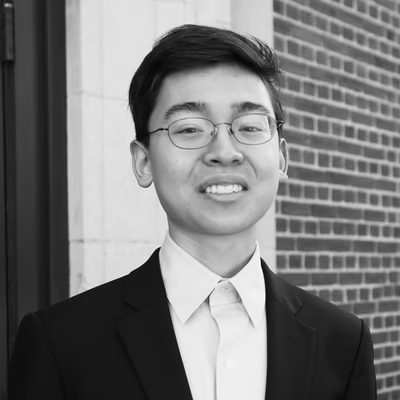
Matteo Wong is a staff writer at The Atlantic, where he covers the intersection of artificial intelligence, technology policy, and business. His reporting cuts through industry hype to examine concrete shifts reshaping the tech landscape and their broader implications.
Wong's recent work reveals a journalist focused on specifics rather than speculation. In pieces from mid-2026, he has tackled questions others often gloss over: What does AI's actual water consumption mean for energy grids? Why are American companies suddenly interested in cheaper Chinese AI alternatives when costs spiral? How are cyberattacks scaling in ways that fundamentally differ from previous waves?
His reporting pattern suggests an interest in power dynamics within and around technology. A June 2026 piece examined escalating tensions between the White House and Anthropic, framing regulatory pressure as a potential strategic vulnerability. Another article analyzed Elon Musk's planned SpaceX public offering as a catalyst pushing other AI companies toward similar moves, suggesting downstream financial pressure across the sector.
Wong also documents cultural and physical shifts in the tech industry itself. A piece on San Francisco's "hacker houses"—where engineers crowd into shared spaces—noted how the AI boom is reshaping urban geography and work patterns. This granular observation complements his policy-level analysis, suggesting he views technology not as abstract forces but as systems affecting real people and markets.
His skepticism about technological claims is evident in a May 2026 article on AI-detection tools, which reported that despite improvements, these systems still fall short of reliable accuracy. Rather than amplifying vendors' promises, Wong examines the gap between capability and need.
At The Atlantic, Wong contributes to a publication known for long-form narrative and investigative work. His byline appears across pieces that blend breaking news (a July 2026 report on a Hugging Face security breach) with structural analysis (how data-center economics have shifted competition dynamics from coding skill to computational infrastructure). This range suggests editorial trust to move between urgent news cycles and deeper explanation.
The title "staff writer" places Wong in The Atlantic's core reporting structure, distinct from contributors. This reflects the publication's investment in sustained coverage of AI policy and business—a beat that has grown urgent as artificial intelligence moves from corporate labs into regulatory and electoral focus.