
Licensed Therapist Anthony D. Smith Brings 23 Years of Clinical Experience to Mental Health Education
Massachusetts therapist Anthony D. Smith brings 23 years of clinical experience, including 20 years in forensic assessment, to mental health education and training for new practitioners.

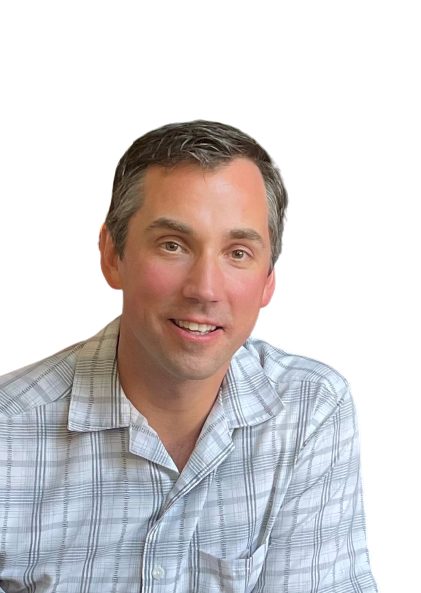
Anthony D. Smith, a licensed mental health counselor in Massachusetts, has spent more than two decades refining his approach to mental health treatment and diagnosis. His 23 years in the field include 20 years conducting forensic assessments for juvenile courts, work that exposed him to the consequences of misdiagnosis and inadequate treatment planning.
Smith's career has evolved in three distinct phases. Early in his practice, he worked in clinical facilities and private settings, providing therapy and diagnostic evaluations. The forensic work, which continues today, showed him how diagnostic accuracy directly affects vulnerable populations, particularly young people navigating the legal system.
Recognizing a gap in clinical training, Smith moved into education. He now serves as a professor teaching abnormal psychology and courses focused on the lived experiences of people with mental illness. He supervises graduate students in clinical practicum settings, bringing his hands-on experience into the classroom.
Smith's educational mission extends beyond the classroom. He authored "Getting Started as a New Therapist: 50+ Tips for Clinical Effectiveness," published by Routledge in 2024. The book reflects his commitment to helping emerging clinicians avoid the pitfalls he observed early in his career.
His recent writing on Psychology Today covers topics ranging from differential diagnosis to emerging clinical challenges. Recent pieces examine rejection-sensitive dysphoria in ADHD, selective mutism, and how artificial intelligence is reshaping patient presentations in therapy. He has also written about perinatal mental health, the distinction between tantrums and meltdowns in children, and how therapists should assess bullying as a compulsory category rather than an afterthought.
Smith's clinical interest in differential diagnosis—distinguishing between similar presentations that may require different interventions—runs through much of his work. He has highlighted how clinicians often misapply personality disorder labels to difficult behavior and how terms like "depressive" carry meanings beyond clinical depression that practitioners need to understand.
His approach reflects a broader concern within the mental health field: the gap between what practitioners are trained to do and what they actually encounter in practice. By writing and teaching, Smith attempts to bridge that gap for the next generation of mental health professionals.