
Europe’s Quieter Side Draws Travelers Away From Iconic Capitals
Europe's tourism is evolving as visitors seek quieter, lesser-known destinations like pristine Italian islands and Estonian towns instead of crowded capitals. Design-focused northern cities and scenic train routes are becoming preferred alternatives.

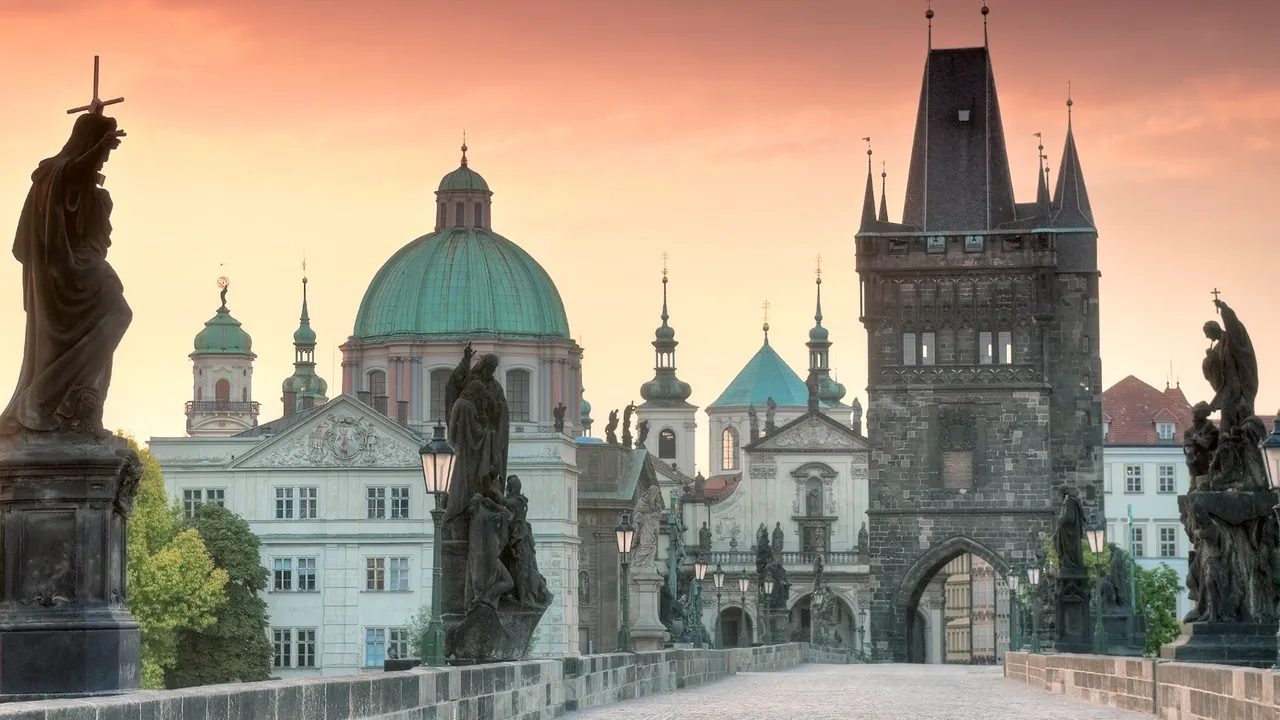
Europe's tourism landscape is shifting as travelers look beyond the established circuit of Paris, Rome, and Lisbon. Design-focused capitals in the north, pristine Italian islands, and cobblestoned Estonian towns—rarely visited by mainstream tourists—are becoming destinations worth the detour.
The trend reflects a broader pattern: seasoned travelers are actively seeking out underrated cities and quieter alternatives. From the Spanish countryside to Swiss gorges and Scottish highlands, scenic train routes offer both historical ambiance and dramatic landscapes without the congestion of urban centers.
Accommodations span a wide range. High-end properties like Villa d'Este on Lake Como represent European leisure at its historic best, while boutique options in Barcelona, Lisbon, and London cater to travelers seeking character over scale. Budget-conscious visitors can find curated Airbnbs across the continent—from exposed-beam apartments in Paris to beachside rentals in Portugal—many priced under $150 per night.
Copenhagen, Berlin, Dublin, and Amsterdam round out the secondary-tier options that combine accessibility with distinct cultural identities. Each offers something beyond the postcard: Copenhagen's Michelin-starred dining scene, Berlin's unpretentious energy, Dublin's pub culture, and Amsterdam's canal-based alternative to Venice.
Restaurant scenes are a draw as well. Local expertise guides exist for major cities like Rome, where expert-curated dining lists help visitors navigate the Eternal City's food culture beyond tourist traps.
For those planning 2026 travel, the calculus remains the same: dazzling islands, design-conscious cities, and cultural events worth timing visits around. The difference is that travelers increasingly know where to find them beyond the usual suspects.