
Beyond ants: Korea’s 10 legally approved edible insects
Korea's strict food laws permit only 10 insect species for human consumption, each offering distinct nutritional benefits and culinary applications.

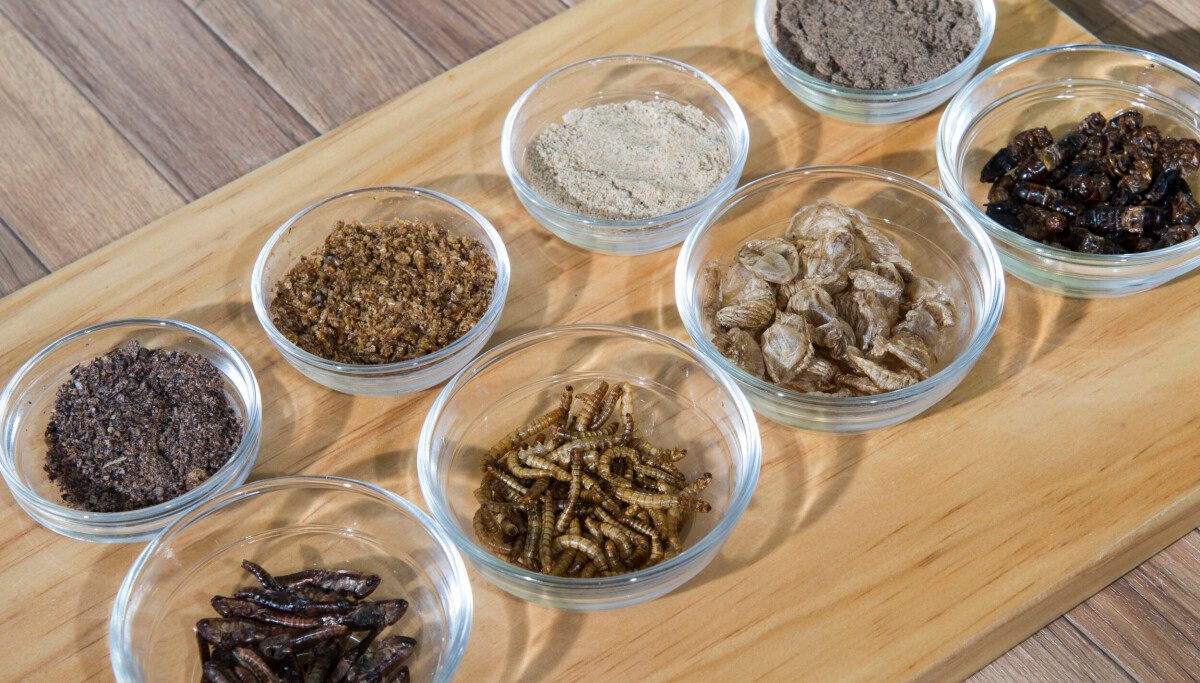
A Michelin-starred restaurant in Seoul has landed in legal trouble for a seemingly innocuous garnish. Over four years, the chef scattered edible ants across a palate-cleansing sherbet, serving the ingredient more than 12,200 times to diners who savoured the bright, citrusy burst. Now prosecutors are seeking a one-year prison sentence and a 20 million won fine (approximately $13,650), according to Korea JoongAng Daily. The reason: ants are not approved for human consumption under Korea's Food Sanitation Act.
While diners in the United States, Denmark, Britain and Australia can legally enjoy ants at restaurants, Korea maintains a carefully curated list of just 10 insect species deemed safe for consumption. The distinction matters. Commercially farmed insects sold as food in Korea are raised indoors under strict hygiene standards, unlike wild-caught specimens.
Three species hold traditional status, approved because Koreans have safely consumed them for generations. The remaining seven earned approval as temporarily recognised food ingredients through the Ministry of Food and Drug Safety, meeting safety and regulatory requirements before reclassification.
The approved 10
Rice grasshopper boasts the highest protein content among approved insects, with dried specimens comprising roughly 70 percent protein. Once abundant in Korean fields and mountains, they were traditionally fried as snacks.
Silkworm pupae, sold canned in Korean groceries and served in paper cups with broth at street stalls, contain over 20 grams of protein per 100 grams and are rich in lecithin, essential for cell membranes and nervous tissue.
White muscardine silkworm comprises larvae infected with Beauveria bassiana fungus, identifiable by their hardened white appearance. Long used in traditional Korean medicine, they are protein and mineral-rich.
Mealworm larvae, measuring 28 to 35 millimetres, combine high protein with unsaturated fatty acids and appear widely in both pet and human food markets.
Two-spotted cricket mirrors grasshopper texture and suits roasting. Its glutathione content, an antioxidant supporting liver function, makes it a favoured drinking snack.
White-spotted flower chafer larvae, known locally as goombengi, were once common in traditional thatched roofs. Containing approximately 57.8 percent protein, they supply niacin for detoxification and blood circulation.
Rhinoceros beetle larvae present distinctive C-shaped, cream-coloured bodies rich in glutamic acid, proline and multiple B vitamins, offering balanced nutrition.
Migratory locust represents the latest addition to Korea's approved list, meeting the same rigorous standards as predecessors.
Globally, insect consumption remains widespread. According to a 2024 paper in Scientific Reports, people across 128 countries consume 2,205 insect species, with Mexico leading at 450 species, followed by Thailand with 272 and India with 262. Korea's more restrictive approach reflects its regulatory framework rather than cultural aversion to insects as food.