Beyond the Beach: How to Discover Guam’s Hidden Interior
As Guam's visitor numbers decline, the island's tourism bureau is encouraging travellers to explore jungle caves, riverside heritage and Chamorro culture beyond the beaches.

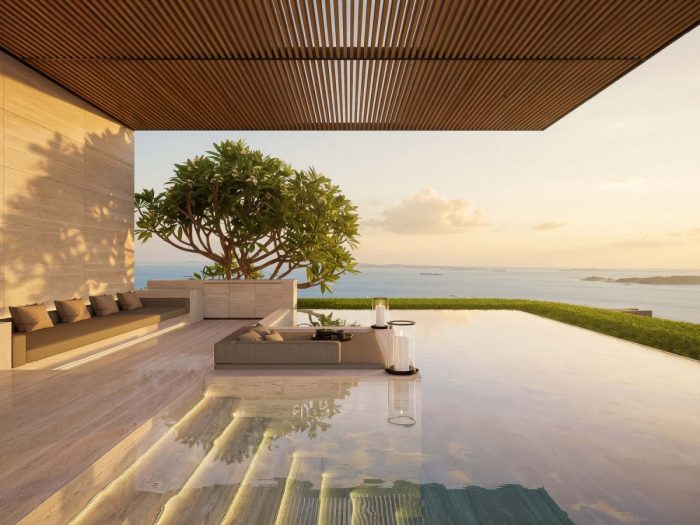
Guam's tourism playbook has long centred on one thing: the beach. Visitors float in hotel infinity pools overlooking the Pacific, snorkel in turquoise waters, or settle into white sand stretches that have made the island a four-hour escape from Korea for decades.
But the numbers tell a different story. Korean arrivals fell from 753,357 in 2019 to 374,673 in 2024, a drop of nearly half. Total visitor arrivals to Guam declined from about 1.63 million to 739,146 over the same period, driven by higher travel costs and competition from other tropical destinations.
In response, the Guam Visitors Bureau is encouraging travellers to look beyond the coastline. The strategy pivots toward Chamorro cultural experiences, wellness activities and the island's largely undiscovered interior—a landscape that locals have long known holds the island's most distinctive character.
The Hidden Cave Pool
Pageat Caves sits roughly 30 minutes' drive from downtown Guam, accessible only by a small signpost marking a narrow dirt trail. The trek begins deceptively easy: a 20-minute walk through dense vegetation lined with wild mimosa, lantana and passion flowers. Then the terrain shifts. Steep slopes demand scrambling on all fours, gripping exposed tree roots and jagged rocks.
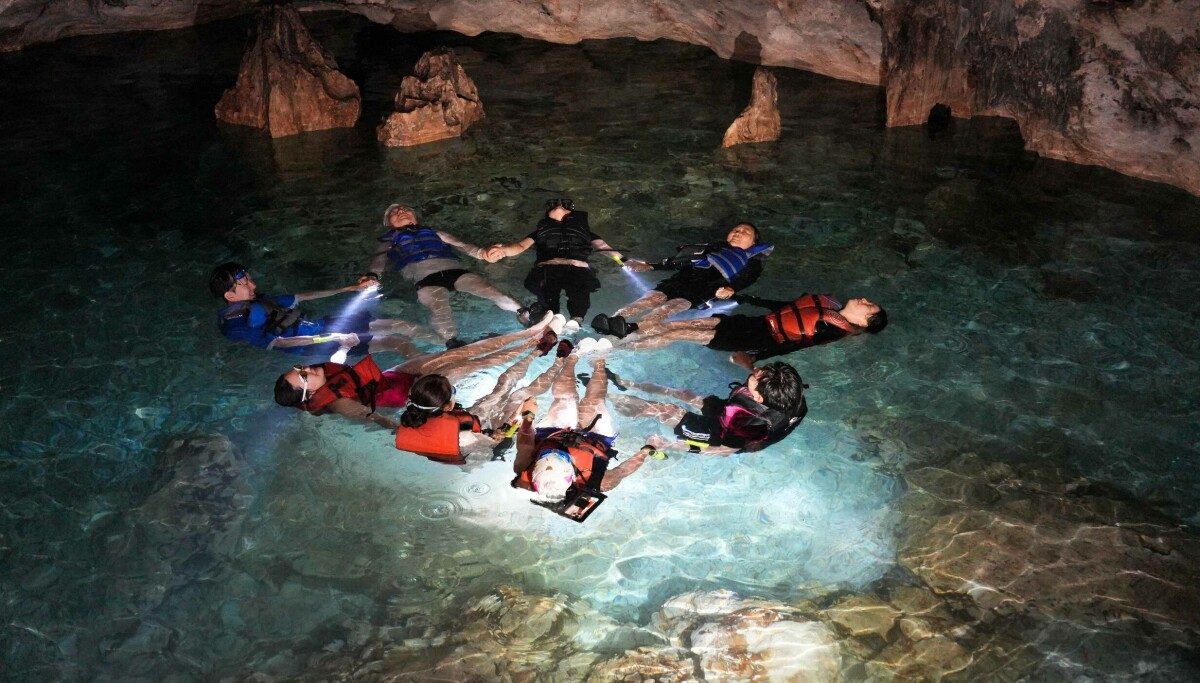
After nearly an hour of climbing, the forest opens onto dramatic sea cliffs where the Pacific stretches uninterrupted. Another 20 minutes of walking leads to a narrow opening hidden behind thick bushes—the kind most visitors would miss without a guide. Inside, descending into near-total darkness, the passage opens into an emerald pool. The full round trip covers about four kilometres and takes roughly five hours, but the payoff is a moment of near-silent immersion: water dripping into still pools, temperature dropping instantly, the accumulated heat of the hike melting away in cool, mineral-rich water.
Along the Talofofo River
Chamorro heritage lives along the Talofofo River, one of Guam's longest waterways. The Valley of the Latte program offers guided boat journeys upstream beneath towering coconut palms, with hibiscus flowers blooming along the shoreline and catfish darting beneath the surface.
The river has changed dramatically in recent years. When Super Typhoon Mawar struck in 2023, torrential rains caused it to overflow its banks, widening the channel and reshaping the landscape. Guides aboard the boat fold fresh coconut leaves into shapes resembling roses and fish, sharing stories of the island's Indigenous people whose traditions, language and customs remain woven into Guam's identity today.
The Shift Beyond Tourism
Isaac Cruz, who has spent much of his career welcoming visitors at hotels and tourist attractions, captures the local perspective: "There is so much more to Guam than Tumon Beach. I want to encourage people to rent a car and get out of the tourist areas. If you like hiking, head south and explore the mountains. Experience cultural shows. Go out and see the rest of the island."
For travellers willing to venture beyond the standard resort experience, that invitation opens access to a version of Guam that sustains its spirit—one where the island's cultural depth and natural drama become the main attraction, not the backdrop.