Asia’s vertical living spaces evolve towards sustainability and human-centred design
Asia's vertical residential projects are redefining luxury around sustainability, ESG standards and resident wellness rather than ostentatious design.

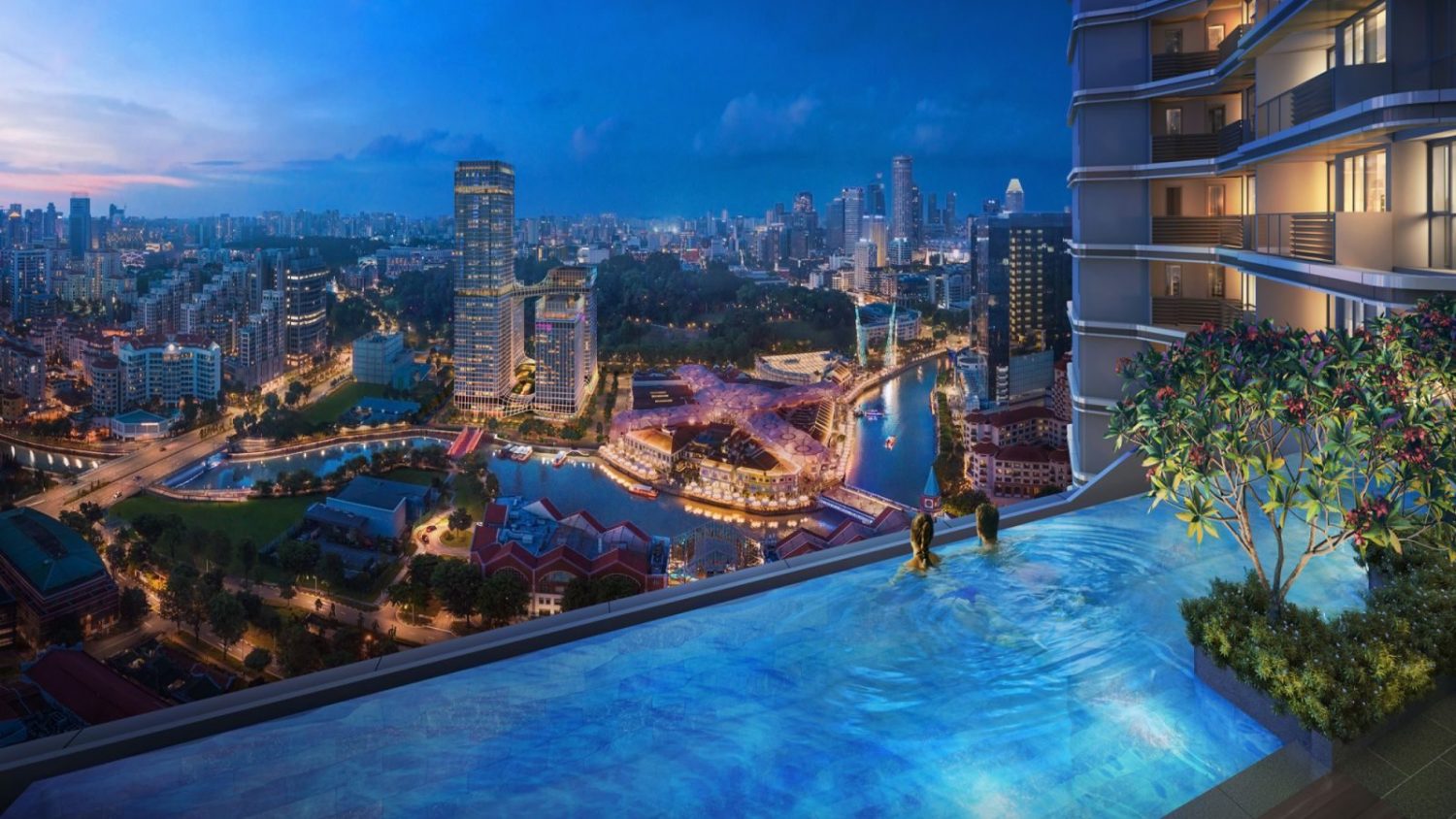
Vertical living in Asia is undergoing a fundamental redesign. Once driven purely by land scarcity and rapid urbanisation, Asia's high-rise residential projects now prioritise sustainability, adaptive design and community wellbeing—a departure from the ostentatious luxury that defined earlier decades.
According to property experts, Asian cities faced an inevitable choice: build upwards. Otto Twist, director of residential real estate at Savills Singapore's Southeast Asia division, explains the shift in thinking: "Developers have no alternative but to construct vertically. Rethinking design to prioritise energy efficiency, resident health and long-term adaptability has become a deciding factor."
The movement reflects a maturing market. Today's affluent buyers expect more than prime location or expensive finishes. They seek responsible living spaces that balance environmental impact with urban quality of life. Chia Ngiang Hong, chief executive of City Developments Limited (CDL), underscores this through a circular economy lens. Cement and steel production account for roughly 7% and 7–9% of global carbon emissions respectively. Reducing dependence on these materials is now essential, he notes. At CDL, recycled concrete and steel, alongside eco-friendly materials, are prioritised to close the waste lifecycle.
Policy and design convergence
This shift is not organic alone—government incentives and green certifications are accelerating change. Chung-Yi Yang, partner at architecture firm Antonio Citterio Patricia Viel (ACPV), observes that the convergence of three forces is reshaping high-rise residential design: developers with green credentials, informed buyers, and municipal policies favouring sustainable public and shared spaces.
"We are seeing a rise in policies incentivising sustainable building and public space development," Yang explains, citing Taiwan—where her Milan-based firm operates—as an example. Regulations there mandate developers allocate a percentage of land area to urban green infrastructure, embedding environmental responsibility into project blueprints.
The redefinition of luxury itself is pivotal. Concepts of prestige are shifting away from ostentatious display towards intentional, sustainable living. Vertical housing is no longer simply about density; it is becoming a self-balancing ecosystem that honours both quality of life and social responsibility. Modern architecture now integrates ESG (environmental, social and governance) criteria—not the environmental pillar alone—into residential developments.
As Asia's cities continue to grow skyward, the question is no longer how high to build, but how responsibly to do so.