
Five Neighborhoods, Five Perfect Days: How to Experience New York City Like a Resident
New York City's five boroughs offer distinct experiences: Midtown's relentless pace, Greenpoint's effortless cool, world-class dining, and free cultural offerings shape how locals spend their perfect days in the city.

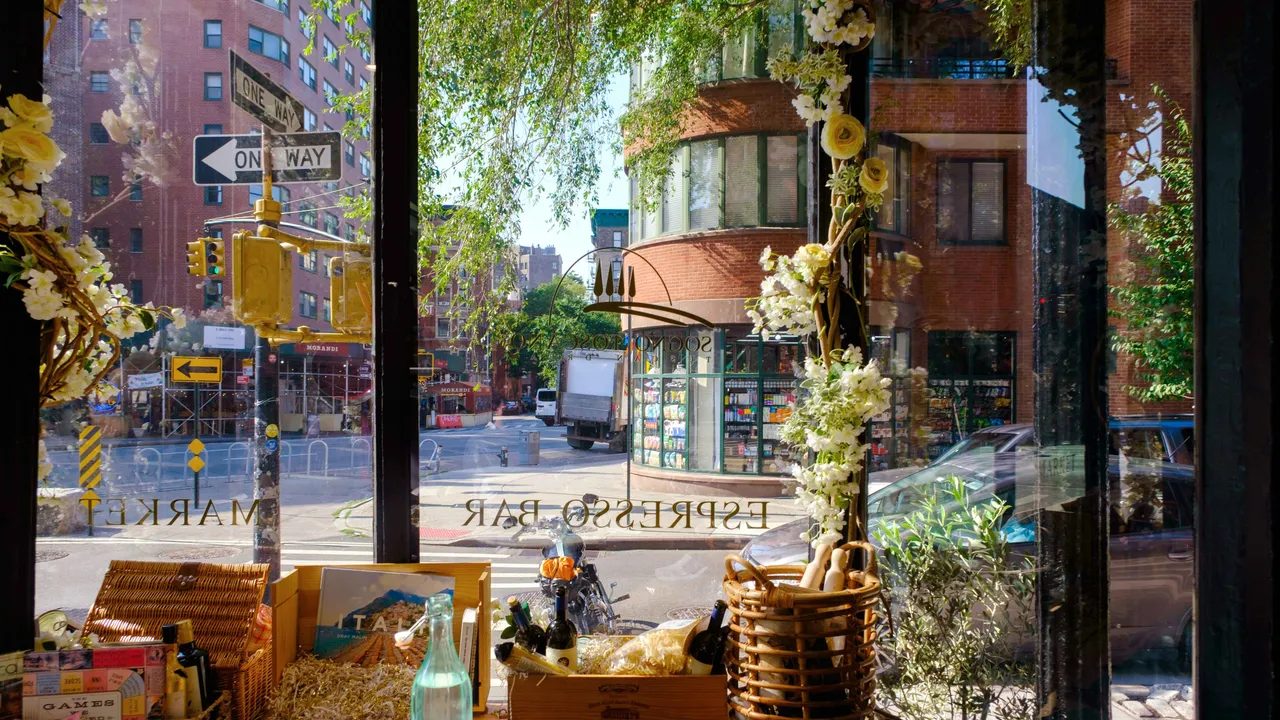
New York City resists a single itinerary. Ask ten residents what the city means to them and you'll get ten answers—a reflection of how thoroughly its five boroughs (Manhattan, Brooklyn, the Bronx, Queens, and Staten Island) subdivide into distinct neighborhoods, each with its own rhythm, food scene, and cultural identity.
The challenge for visitors is balancing iconic bucket-list moments with the authentic edges that actual New Yorkers frequent. That tension shapes how locals structure their days.
The Manhattan Rush
Midtown Manhattan remains the city's energy center, defined by what travel editors at Condé Nast Traveler describe as the "hustle, bustle, and suffer-no-fools pace" New Yorkers are stereotyped for. This is where you'll find the glitziest shopping on Fifth Avenue, the most visible landmarks, and the crowds that define the city's relentless rhythm. But Midtown works best as a base for logistics—museums, Broadway, major transit hubs—rather than the full day's focus.
The Greenpoint Effect
Greenpoint, Brooklyn represents the opposite extreme: what editors call "effortlessly cool, optimistically Millennial." The neighborhood's industrial-converted lofts, vintage boutiques, and specialty coffee roasters have made it a model for how post-industrial neighborhoods reimagine themselves. It's where you go to find the New York that aspires to authenticity without the Midtown commercial machinery.
Food as a Neighborhood Anchor
Any perfect day in NYC orbits around food. The city's restaurant canon includes world-class dining (Peter Luger's porterhouse remains a benchmark), street-level classics (bodega bacon-egg-and-cheese sandwiches), and pizza that ranges from thin-crust grab-and-fold to thick Sicilian slices. Each neighborhood has a food identity: Italian-American in certain blocks, Korean in Flushing, Dominican in Washington Heights. Rather than trying every dish in one day, residents align their eating with their neighborhood choice.
Free and Paid Cultural Offerings
Museums anchor many perfect days. The Frick, Metropolitan, MoMA, and dozens of smaller institutions mean art buffs could spend weeks without exhausting options. The city also offers free-of-charge activities—sculpture gardens, scenic ferry rides, neighborhood walking routes—that let visitors experience the city's scale without constant expenditure. Hotels like the Pierre, the Soho Grand, and the Beekman cater to different neighborhoods and budgets, though New York remains the country's most expensive city for accommodation.
The Unwritten Rules
Referenced but not fully detailed in most guides are the etiquette rules that separate residents from obvious tourists: walking pace expectations, subway courtesy, how to order at a bodega, which neighborhoods welcome cameras and which don't. These nuances matter because they determine whether a day in New York feels like access to the city itself or a curated tour of it.
The real structure of a perfect NYC day depends on which borough calls to you, what your food priorities are, and whether you're chasing iconic experiences or neighborhood character. The city's endless possibilities mean the perfect day is whatever you decide it is—which is precisely why ten New Yorkers would give ten different answers.