Beauty Pop-Ups Are Redefining How Brands Connect With Customers
Beauty pop-ups have become essential brand touchpoints, driven by scarcity, social media amplification and immersive design that creates loyalty among younger consumers.

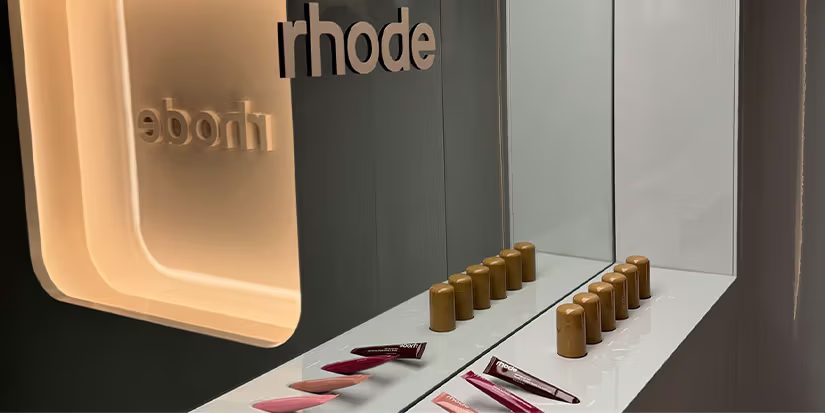
Beauty pop-ups have evolved from novelty retail concepts into carefully orchestrated brand moments that blur the line between shopping, socialising and cultural experience. What began as a way to test new markets or clear inventory has transformed into a sophisticated marketing tool that generates buzz, collects customer data and creates Instagram-worthy moments that extend a brand's reach far beyond the physical footprint.
The appeal lies in scarcity. A pop-up's temporary nature — whether it runs for a week or three months — creates urgency that permanent retail cannot replicate. Customers treat these spaces as events to plan around, arriving with friends and cameras. Limited-edition products or exclusive collaborations available only during the pop-up window amplify the sense of occasion. Brands like Rhode, Dior and Summer Fridays have leveraged this model to build loyalty among younger consumers who value experience-driven retail.
Why Pop-Ups Matter Now
Social media amplification plays a crucial role. A well-designed pop-up becomes content. Visitors share videos, photos and impressions across TikTok, Instagram and other platforms, extending the brand's reach to millions without paid advertising. This organic marketing is particularly powerful with Gen Z and millennial audiences who are sceptical of traditional ads but trust peer recommendations and visual discovery.
The format also allows brands to test consumer behaviour in real time. Foot traffic patterns, which products are touched most, dwell time in different zones, and purchase patterns provide insights that would take months to gather from online analytics alone. Pop-ups serve as physical focus groups where brands validate product concepts before rolling them out to permanent locations.
The Design Factor
Successful beauty pop-ups prioritise experience over product density. Rather than cramming shelves, leading brands create immersive environments where customers can test products, attend workshops or participate in interactive installations. Lighting, music, scent and layout all work together to create a memorable atmosphere that feels distinct from a typical beauty counter.
The best pop-ups also reflect their location. A Tokyo pop-up might incorporate Japanese design minimalism, whilst a Seoul space might reference K-beauty retail conventions. This localisation demonstrates that the brand understands its audience and values cultural context, rather than treating every market identically.
Looking Forward
As e-commerce maturity flattens online growth in many markets, brands are doubling down on physical experiences that digital cannot fully replicate. The pop-up model offers flexibility — brands can move quickly to trending neighbourhoods, pivot their experience based on foot traffic data, and maintain the premium positioning that comes with exclusivity and scarcity.