Why Michelle Yeoh’s Oscar Mattered More in Ipoh Than in Hollywood
Michelle Yeoh's 2023 Oscar was framed as a Hollywood breakthrough, but its deepest meaning was rooted in Malaysia and across Asian cinema she helped define for decades.

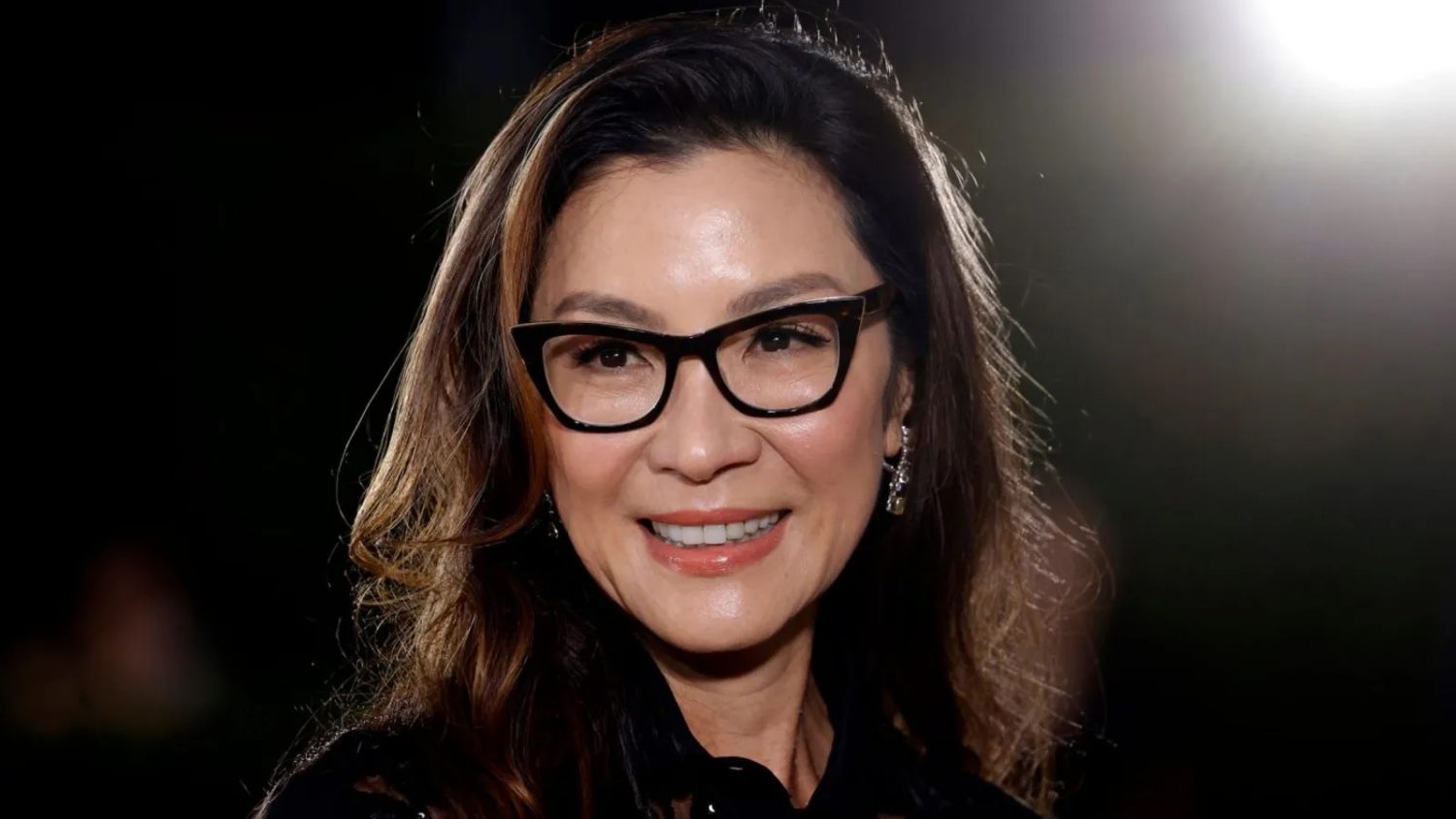
When Michelle Yeoh stood on the Academy Awards stage in March 2023, the first woman who identifies as Asian to win Best Actress, the moment was framed in much of the global press as a Hollywood breakthrough. That framing missed where the win actually landed hardest: in Ipoh, the tin-mining town in Malaysia where she grew up, and across a region that had watched her career long before Western audiences learned to pronounce her name.
Yeoh did not arrive in Hollywood as an unknown. By the time Everything Everywhere All at Once made her an Oscar contender, she had spent nearly four decades as one of Asia's most recognizable performers, anchoring Hong Kong action cinema in the late 1980s and early 1990s alongside performers who defined the genre. Audiences in Kuala Lumpur, Hong Kong, and Manila knew her as a lead, not a supporting curiosity. The Western discovery narrative, the one that treats an Asian actor's recognition as a sudden emergence, has always been a story told from one direction.
That is the nuance worth holding onto. Representation, as it is usually discussed, tends to measure progress by visibility inside American institutions. Yeoh's significance runs along a different axis. Her career demonstrated that a woman could carry a film across multiple film industries, in Cantonese, English, and beyond, without being confined to a single national market or a single type of role. She moved between Hong Kong action, a James Bond film, the wuxia of Crouching Tiger, Hidden Dragon, and prestige American drama. Few performers of any background have operated that fluidly across borders.
A regional icon before a global one
For younger women across Southeast and East Asia, the Oscar functioned less as an introduction than as a validation of something they had assumed was undervalued elsewhere. A performer they had grown up watching was finally being measured by the metric that Western media treats as definitive. The pride was real, but it carried an edge: the recognition arrived decades after the work that earned it.
This matters because the conversation about Asian representation is often imported wholesale from American discourse, where the reference points are demographic milestones within US media. In Malaysia, Yeoh is read differently. She is a Malaysian Chinese woman from a specific city, with a biography rooted in a multiethnic society that does not map cleanly onto American categories of race. Her trajectory speaks to questions of national pride, diaspora identity, and the long undervaluation of Asian film industries by global award systems, not only to the diversity debates that dominate Hollywood coverage.
What the milestone does and does not change
It would overstate things to call a single award a structural shift. The economics of casting, the distribution power concentrated in a handful of studios, and the persistent typecasting of Asian actors did not dissolve because of one ceremony. Yeoh herself spent years navigating roles that traded on martial-arts spectacle before reaching parts that asked more of her.
What the recognition did do was complicate the default assumption about who gets to lead. For an audience in the region, the most durable effect may be generational: the sense that the path Yeoh walked, building a career across markets rather than waiting for a single industry to make room, is itself a model. That is a quieter form of representation than the one celebrated in awards-season montages, and arguably a more useful one.
The symbolism that traveled furthest was not the statuette. It was the demonstration that a leading woman from Ipoh could spend a lifetime working in Asian cinema on its own terms and still, eventually, be acknowledged on the stage that claims to define excellence. The acknowledgment was overdue. The career never needed it to matter.