Tyla on New Music, Kate Spade Partnership and Life Beyond the Chart
Tyla opens up about balancing new music with her Kate Spade partnership, reflecting on creative evolution and luxury fashion visibility.

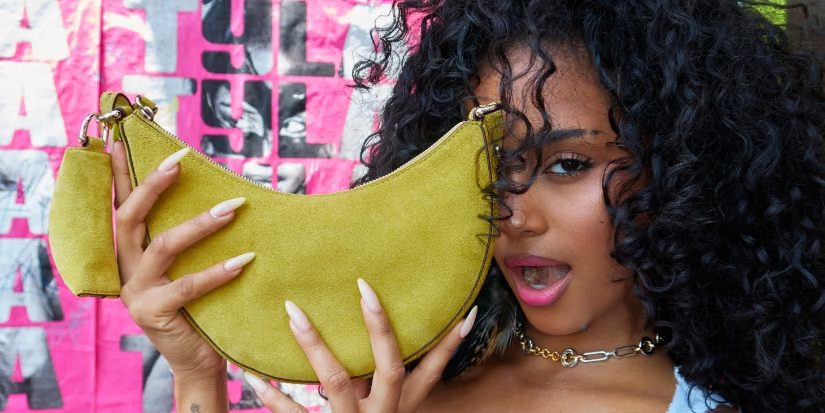
South African artist Tyla has been candid about her next chapter, balancing new music with a high-profile partnership in the luxury sector. In recent conversations, she has opened up about her creative direction and the unexpected intersection of music and fashion that now defines her public presence.
The artist, who has built a global following through her breakthrough hits, is navigating the pressures of sophomore expectations whilst exploring territories beyond the recording studio. Her venture into brand partnerships reflects a broader trend amongst contemporary artists: leveraging cultural capital into lifestyle and fashion collaborations.
When discussing her approach to new material, Tyla has emphasised intentionality over velocity. Rather than racing to release, she is focusing on sonic clarity and ensuring each project resonates authentically with her evolving artistic vision. This measured strategy stands in contrast to the relentless cycle many artists face, where momentum often demands constant content.
Her involvement with Kate Spade marks a significant moment in her brand journey. The partnership positions her within a conversation about African artists gaining visibility in the luxury space — a sector historically dominated by Western and Asian names. For Tyla, the collaboration extends beyond a transactional endorsement; it reflects her personal aesthetic and values around craftsmanship and design.
The intersection of these two tracks—new music and fashion visibility—speaks to how contemporary stardom operates. A single artist can now hold space across multiple cultural domains: streaming charts, social media influence, brand collaborations and runway visibility. For emerging artists from the Global South, these partnerships carry additional weight, signalling a shift in how the luxury industry recognises and markets to a more diverse audience.
Tyla's willingness to discuss both her creative anxieties and her brand ambitions offers a refreshing counterpoint to the polished, curated narratives that often dominate celebrity discourse. By addressing the complexities of artistic growth and commercial partnership simultaneously, she models a more honest conversation about the realities of modern music-industry existence.