Todd Blanche’s Slip Reveals the Death of DOJ Independence
Todd Blanche's accidental admission at his confirmation hearing—"I'm his lawyer"—exposed what three months as acting attorney general had already made plain: Trump has dismantled the post-Watergate norm of DOJ independence.

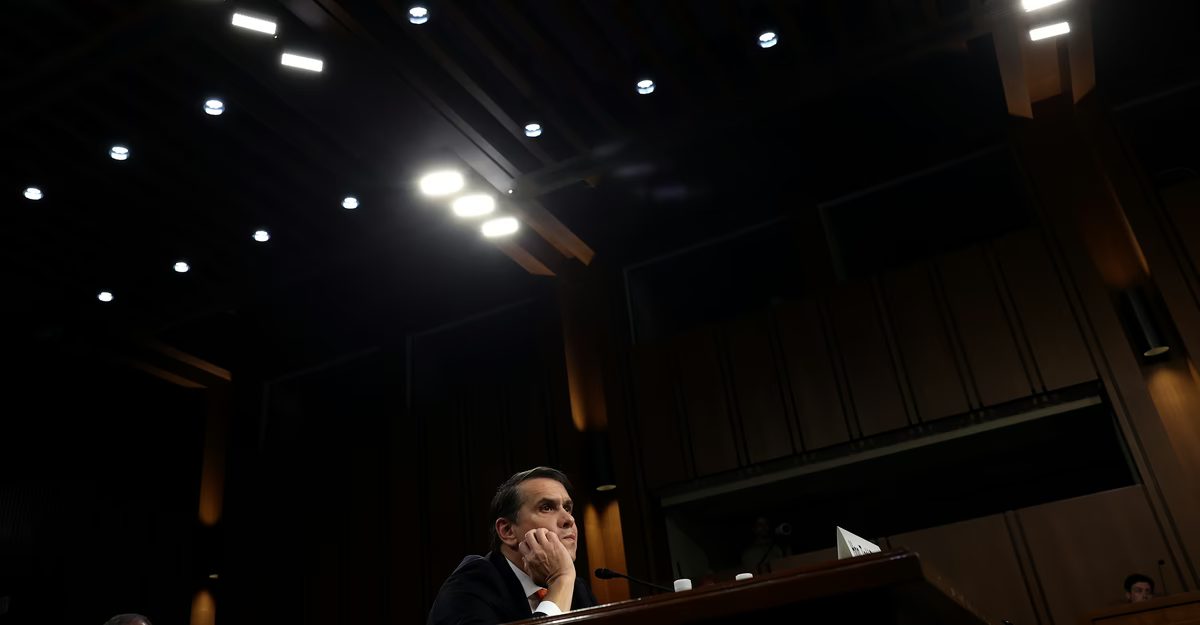
During his confirmation hearing before the Senate Judiciary Committee, Todd Blanche stumbled into honesty. When Senator John Kennedy asked whether he considered himself the president's friend, Blanche replied: "I'm his lawyer." He caught himself seconds later—"Was his lawyer," he corrected—but the damage was done.
Political observers call this a Kinsley gaffe: a moment when a public figure accidentally admits something true he never intended to say. In Blanche's case, the truth cut deep. His formal title may no longer be Trump's private counsel, but his three months leading the Justice Department as acting attorney general tell a different story.
Under Blanche's direction, the DOJ has pursued what critics describe as politically motivated cases. Felony charges were filed against former FBI Director James Comey for posting an Instagram image of seashells arranged to spell "86 47." In May, Blanche announced an IRS agreement that ended all audits of Trump and purportedly shielded him and his family from further government investigation into past conduct. He simultaneously announced a $1.776 billion "Anti-Weaponization Fund" using taxpayer money to compensate alleged victims of Biden-era persecution. Both moves drew bipartisan outrage on Capitol Hill, forcing Blanche to backpedal on the fund—though not before Trump nominated him for the permanent attorney general role.
What made Blanche's slip so revealing is what came next: Republican senators largely dismissed it. Senator Kennedy pointed to historical precedent, noting that previous presidents had appointed their brother (John F. Kennedy and Robert Kennedy) and former law partner (Richard Nixon and John Mitchell). He omitted crucial context: Robert Kennedy's appointment was hugely controversial at the time, and John Mitchell was later criminally charged and disbarred for his role in Watergate.
When questioned by Senator Chris Coons, Blanche offered the ritual incantation: the DOJ operates under Article II, "with integrity." Later, confronted by Senator Alex Padilla with an account of Blanche calling DOJ independence "a misnomer," Blanche denied saying it and pivoted to claiming his obligation was "to the American people and the rule of law"—while simultaneously acknowledging he serves in the president's cabinet.
The math of confirmation is tight. Blanche cannot afford to lose a single Republican vote on the committee. Two GOP senators, John Cornyn of Texas and Thom Tillis of North Carolina, are positioned as potential wildcards. Cornyn pressed Blanche hard on the Anti-Weaponization Fund and the immunity agreement, extracting only a non-binding assurance that the fund is "not moving forward." Blanche admitted Trump had not agreed in writing to abandon it and could potentially sue DOJ over the failure to establish the program. After the hearing, Cornyn remained undecided; Tillis said he was "leaning yes" but demanded legislation to permanently kill the fund.
This uncertainty masks a larger collapse. Since Watergate, the Justice Department rebuilt itself around resistance to presidential interference, treating impartial justice as foundational. That tradition, hard-won across five decades, has been treated by the second Trump administration as quaint. Blanche's hearing made clear the pretense of independence barely survives. Senate confirmation, historically a check that made officials more accountable to Congress, may offer little real constraint here. Blanche has already demonstrated his capacity to function as acting attorney general. Whether he wins a permanent title matters less than the fact that Trump has already demolished the institutional guardrails that once separated the DOJ from presidential power.