The auction gamble: How T20 franchise cricket reshapes player value and loyalty
T20 franchise auctions transform county cricketers into overnight millionaires, but the windfall comes with crushing pressure to perform and no guarantee of loyalty from either side.

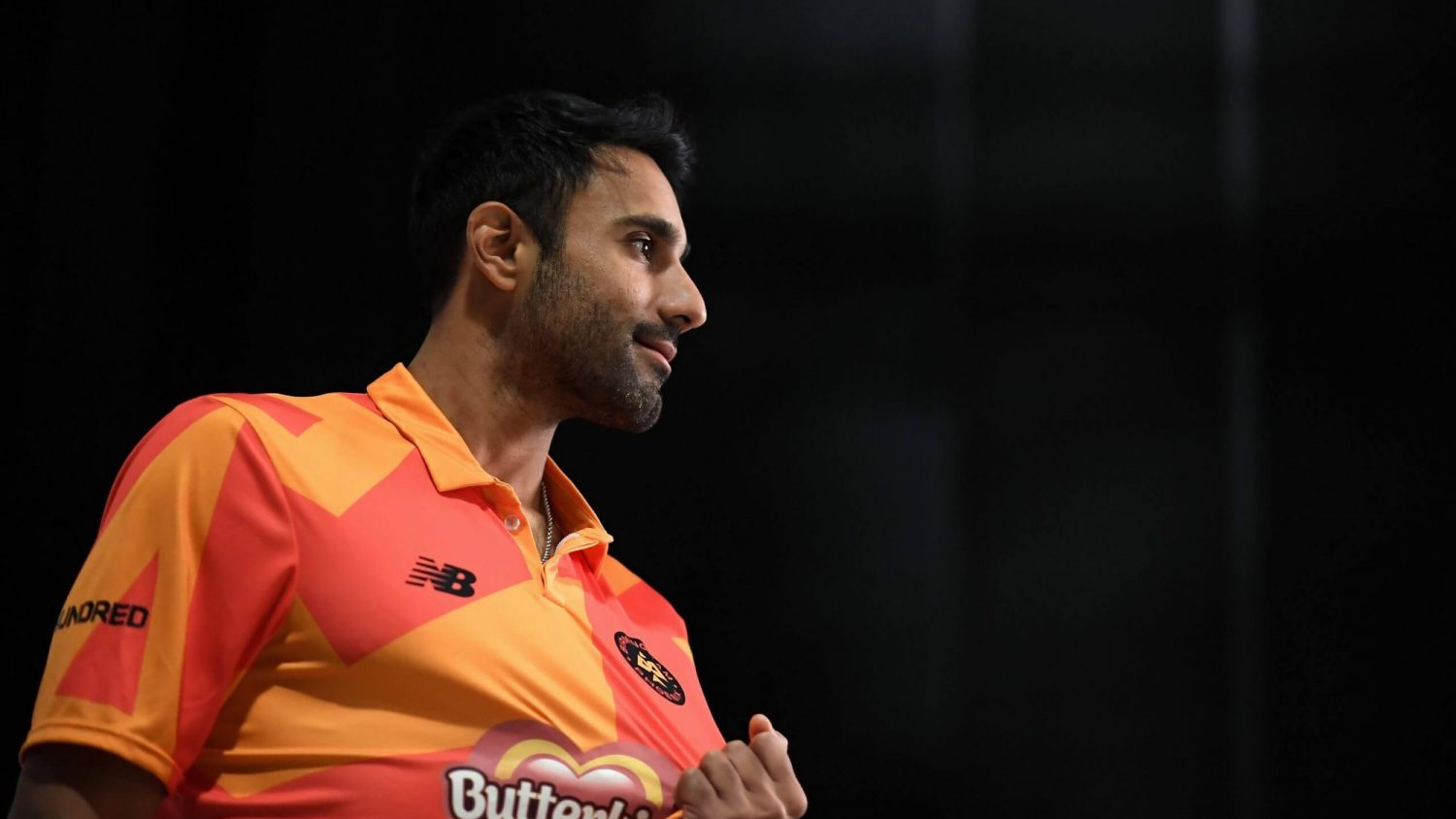
James Coles sat in his Hove flat, curtains drawn, watching his price climb in real time. When the bidding stopped, London Spirit had paid £390,000 for a month of cricket. The Sussex batter's reaction oscillated between calm detachment and uncontrolled emotion. "I started off hoping I wouldn't go too cheaply and ended up in floods of tears," he recalls.
Dani Gibson experienced a similar shock. Bought by Sunrisers Leeds for £190,000—the highest sum paid to any English female cricketer—she watched from her England team hotel in South Africa. "My team-mates heard my screams," she says. "The first person I called was my dad. There were no words from him, just tears. Lots of tears."
These moments define the modern franchise cricket landscape, where auctions have become the primary recruitment tool since The Hundred introduced them in 2026, following the Indian Premier League model established nearly two decades earlier. For county cricketers, these sums represent generational wealth—income they could never access through traditional domestic competition.
But the windfall comes with invisible costs. Ravi Bopara, who has played for 27 different teams across T20 and 100-ball leagues, understands both sides. His highest auction price was £310,000 from Kings XI Punjab in 2009. "Once you are picked up it can spiral," he explains. "It can become a mind game. A club waiting to bid at the end has to jump in when someone else enters, and the price climbs higher and higher."
The flip side is harsher. Bopara has also gone unsold. "The first and second times that happens, it's a really bad feeling," he says. "I thought I was a wanted cricketer and then all of a sudden no one is bidding for you. It's a massive wake up call. You either think 'I've got to get better' or you lose all confidence. I've seen it happen to a lot of people."
High price tags create expectations that often outpace reality. "The owners will look at you and think: 'We need you to perform now'," Bopara notes. Teams, opponents, and even fellow players scrutinize expensive signings. "If you're the most expensive player in the league people expect you to be the best player in the league, but it doesn't always work out like that."
Coles, included in England's T20 and ODI squads without playing, now carries this weight into The Hundred. The pressure to justify £390,000 is substantial. Some players manage it; others collapse under the spotlight. "I've seen players go for a million quid, perform nowhere near what a million-pound player should do, and then go unsold the following year. It's like hero to zero," Bopara says.
The question of loyalty becomes almost irrelevant in this environment. Bopara spent 20 years at Essex before switching to Sussex, a transition that nearly ended his career. "When I left Essex I even thought: 'Do I really want to carry on playing?'" he recalls. But franchise cricket operates by different rules. "What I've learnt is nobody's loyal, and that goes for owners as well as players," he says. The auction system treats players as commodities to be bought and sold, not as members of a community. Identity and attachment dissolve when the contract expires and the next auction begins.