
Spain’s August 2026 Solar Eclipse Will Be Rare, Low on the Horizon, and Visible from Key Cities
Spain's August 12, 2026 solar eclipse will cross the country for the first time in over a century, with totality occurring near sunset. Coastal regions and flat plains offer the best viewing opportunities for this rare event.

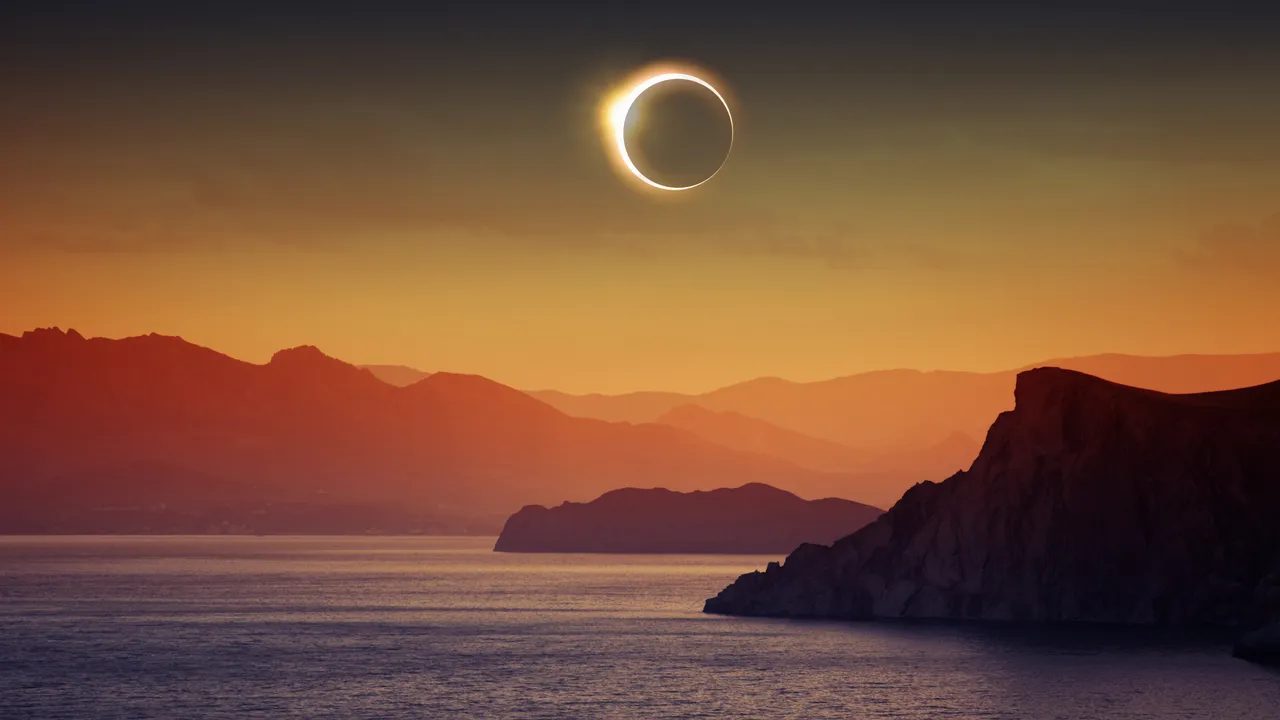
On August 12, 2026, a total solar eclipse will cross Northern Spain for the first time in more than 100 years. The path of totality will span roughly 40% of the country, tracing from Galicia in the northwest through central plains to the Mediterranean and the Balearic Islands. Cities including A Coruña, Bilbao, Zaragoza, and Valencia will experience complete totality, while Madrid and Barcelona will see partial eclipses of 99%.
What distinguishes this event from typical solar eclipses is its timing. Rather than occurring overhead at midday, the eclipse will arrive near sunset, with totality unfolding between approximately 8:26 p.m. and 8:32 p.m. local time. This low-horizon position increases the likelihood of witnessing the "diamond ring" effect—a beam of sunlight breaking through the moon's edge that creates the appearance of a diamond ring around the corona.
The eclipse's low altitude demands careful location selection. Mountainous terrain, tree lines, or buildings could block views. Flat coastal regions and expansive rural plains offer the best prospects. Viewers should prioritize a clear line of sight to the west-northwest, independent of elevation or scenic appeal.
Optimal coastal viewing locations include Cape Ortegal in Galicia, expected to provide one of the longest totality windows, and A Coruña's Tower of Hercules lighthouse. El Puntal beach in Cantabria, near Santander, offers extensive Atlantic views aligned with the required west-northwest sight line. On the Mediterranean side, boat-based viewing is recommended, as many beaches face east. Valencia has organized eclipse-viewing charters for this reason. Among the Balearic Islands, Mallorca, Menorca, and Ibiza fall within the path of totality, while Formentera will experience a partial eclipse but from less crowded vantage points.
August is Spain's second sunniest month, raising the likelihood of clear skies. The eclipse also coincides with the annual Perseids meteor shower, and the darkened sky after sunset will enhance viewing conditions for meteor observation.
Practical considerations include ISO 12312-2 certified eclipse glasses to protect against UV rays—regular sunglasses are inadequate. Spain anticipates significant visitor increases; travelers should follow Leave No Trace principles and respect local crowd-management rules. Learning basic Spanish phrases such as "buenas tardes" (good afternoon) and "gracias" (thank you) will improve local interactions.
If you miss the 2026 eclipse, Spain will experience two additional solar eclipses in August 2027 and January 2028, cementing the country's status as a premier astrotourism destination.