Seoul’s affluent moms are making pleats the unexpected summer staple
Once dismissed as grandmotherly wear, pleated clothing is dominating Seoul's affluent neighbourhoods, winning over busy mothers seeking comfort, polish and minimal decision-making.

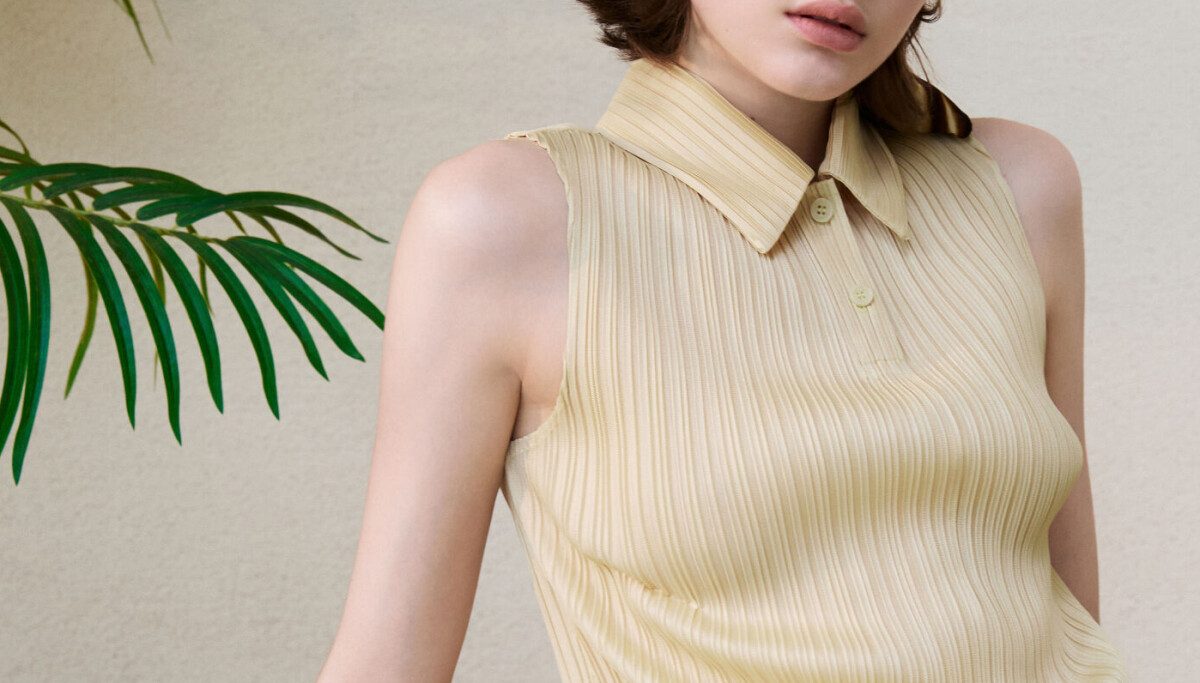
In Seoul's wealthier neighbourhoods, a clear dress code has emerged for working mothers: something that looks polished enough for the office, comfortable enough for a weekend playground visit, and requires no real thought to wear. Pleats, once confined to older women's wardrobes, have become the answer.
The late-summer heat and humidity in Korea present an impossible choice: look put-together, feel cool, or stay comfortable. Pleated garments, it turns out, satisfy all three. According to the Korea JoongAng Daily, Monplisse, a specialist pleats brand, reported that first-half 2026 sales of pleated items ran 294 per cent ahead of the same period the previous year. Searches for "pleats" on Zigzag, a shopping app connecting users with over 7,000 stores and brands, rose 69 per cent year on year, spanning cardigans, blouses, sleeveless tops and full sets rather than concentrating on skirts alone — a signal that the category has moved beyond its previous limitations.
Queenit, a department store platform, ran a dedicated pleats showcase from 8 to 15 June featuring specialist labels including Pleats Mood, Benja, Pleatsme, Pleats 31 and Monte Milano. The response proved strong enough to warrant an encore in July.
Why pleats work for busy mothers
A Monplisse representative told the publication that the brand's core buyers are women in their 30s and 40s, with reviews clustering around consistent themes: "What comes up repeatedly is the fit and silhouette covering the body, the coolness and lightness, and the quality for the price. Customers who have worn one often come back for another colour or a different silhouette, and a lot of them buy for other people — for a friend on a recommendation, for a parent, for a husband."
Chung Suh-young, a mother in her mid-30s living in Seoul's Mokdong neighbourhood, exemplifies this shift. She owns pleated tops in silver, brown and black, and wears one to the office roughly three times a week. "I tried pleats for the first time and confirmed that this was now the thing that did suit me," she said. "They look official, but the fabric is comfortable, which is what I like."
The appeal lies in what Chung calls the "exact right place" — formal enough for professional settings, relaxed enough for weekend socialising. Cotton t-shirts, by contrast, either cling to the body when damp or hang loosely without flattering structure. "With a cotton tee the sweat comes straight through, and pleats are better on that count," she noted. "It clings just enough that your stomach doesn't show, and you look smaller in it than in a t-shirt."
Lee Na-yeon, a woman in her late 30s with two daughters living in Yeouido, described the underlying tension: "A working mother in her mid-to-late 30s doesn't have the energy to dress properly every single day, but she can't go around looking like a wreck either — weekends included. You might end up at the playground talking to some other kid's mother. It has to be comfortable, but not so comfortable that you look destitute."
The evolution of pleat design
Chung Ye-rin, a fashion industry worker in her 30s with a five-year-old daughter living in Oksu-dong, credits both manufacturing changes and affordable alternatives for the trend's acceleration. "Pleats always looked like grandma clothes to me, but now the mood has shifted to women in their 30s and 40s wearing them," she said. "Pleats are also being distributed everywhere because it's trending, and once you keep seeing it, you end up buying one."
Chung Suh-young traces the shift to the garments themselves. "A few years ago, the silhouettes were more geometric — they ignored the line of the body and emphasised the shape of the garment," she explained. "Now they come out feeling like practical clothes, and the fabrics have gotten less futuristic, a bit warmer, so they read as everyday wear."
Kim Yoo-jin, CEO of pleats brand Beneater, whose Apgujeong department store pop-up exceeded projections this year, echoes this observation. "In the past there were a lot of loud patterns and roomy silhouettes, but recently we've been applying pleats to the items younger customers already wear every day — t-shirts, sleeveless tops and basics."
With high-end versions from designers like Issey Miyake alongside affordable alternatives now widely available, the pleated silhouette has become accessible across price points. For Seoul's busy mothers, pleats offer what no other category currently delivers: effortless elegance without the effort.