
Satire Watch: The Atlantic Imagines a World Where Every Job Runs Like a Senator’s
Alexandra Petri's July 9 Atlantic column imagines surgeons, zookeepers, and dentists operating by U.S. Senate norms, with pointed results.

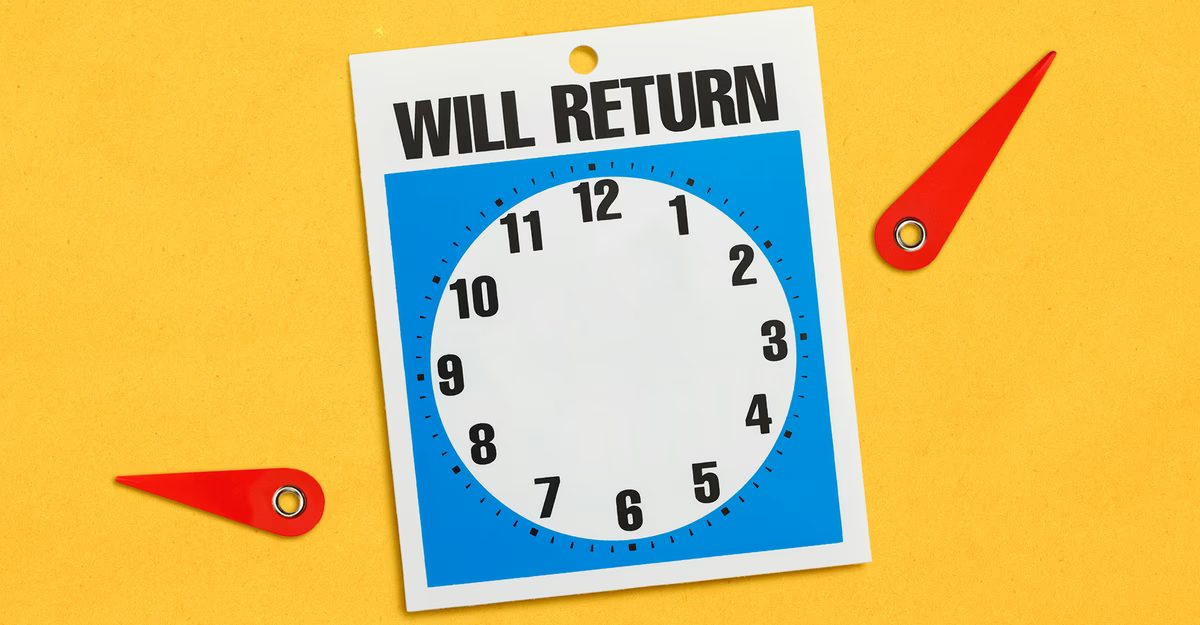
The Atlantic published a satirical column on July 9, 2026, by staff writer Alexandra Petri that asks a simple question: what happens if the professional standards tolerated in the U.S. Senate applied to everyone else?
The piece, titled "If Other Jobs Were Like a U.S. Senator's," runs through a series of short vignettes. The premise is consistent across each one. A professional vanishes, a spokesperson insists the absent person is doing fine, and the person actually needing the service is treated as unreasonable for asking where they went.
The Setup
The column opens with a surgeon who disappears before a scheduled open-heart operation. A nurse reports having spoken with him at length and describes him as eloquent, but he never shows. The patient waits for weeks, chest held open by clamps. The joke lands on the gap between narration and action: the staff can account for the doctor's words, not his presence.
Petri repeats the structure across settings. A zoo displays a sign reading "THE RHINO IS IN" while zookeepers crawl around in a rhino suit, explaining that they know exactly what the animal would do. A babysitter goes missing, with correspondence handled on her behalf, a nod to the historical case of Edith Wilson managing communications during Woodrow Wilson's incapacitation. Olympic gymnasts fail to appear, and an ESPN commentator offers that he spoke to one of them for 20 minutes about Iran.
The Running Gag
The sharpest vignette involves a dentist. "No one has seen or heard from the dentist in months," the column reads, "but he's been making stock trades." The line points directly at one of the more persistent criticisms of sitting members of Congress: active stock trading by lawmakers who have access to non-public information and legislative influence.
The piece closes with the narrator calling a senator's office to complain about the pattern. A staffer replies that the senator agrees, having said so at length that afternoon, though no video footage exists. The response mirrors the earlier vignettes and completes the loop.
Why It Registers
Satire of this kind works by literalizing a norm that has become invisible through repetition. The column does not name a specific senator or cite a specific vote. Its target is a set of behaviors, prolonged absence, communication through intermediaries, financial activity conducted while out of public view, that would be disqualifying in most other lines of work but are absorbed as routine in national politics.
Petri, a staff writer at The Atlantic known for political humor, keeps the writing spare. Each scene is a few lines, and the accumulation does the work. The reader is placed in the position of the ordinary person who expects a job to be done and is told, repeatedly, that asking is the real breach of decorum.
The piece is humor, not reporting, and it makes no claim about any individual officeholder. As a commentary on institutional expectations, it reflects a broader public frustration with accountability standards that appear to shrink the higher up the ladder a position sits.