Royal Birkdale Rebuilt: What the Remodelled Open Course Feels Like to Play
Royal Birkdale hosts the 154th Open with three new holes and changes to all 18. Here's how the remodelled links plays, and why the club rebuilt it.

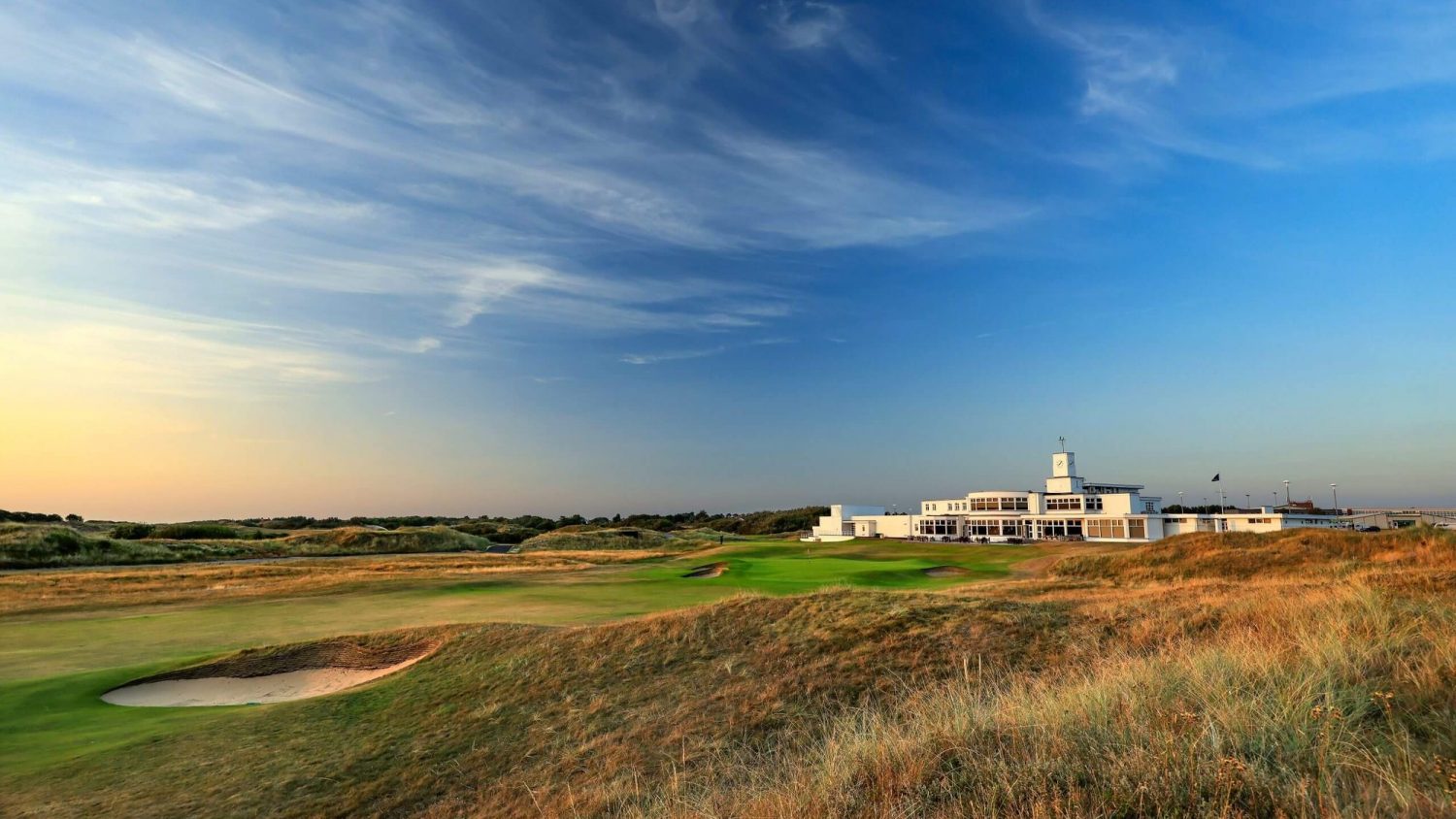
Royal Birkdale arrives at the 154th Open with three brand-new holes and modifications to all 18, a multi-million-pound redesign by Mackenzie & Ebert that has reshaped every bunker and added run-offs around 12 greens. When The Open begins Thursday, players will meet a course that looks familiar but plays differently at almost every turn.
The most talked-about change sits at the finish. The 18th is now a 508-yard Par 4 that has abandoned the quirky "double fairway" long associated with the hole. From the tee it presents a landing zone squeezed by bunkers on both sides and thick rough beyond them, with the grandstand looming over a narrow target. Chris Thompson, a member for 20 years and part of the club's Championship Committee, expects it could rank among the higher-scoring holes of the week.
The Athletic played all 18 in late spring, before the course closed for final preparations, and reported that the redesign has not made Birkdale easier, only more varied.
New holes, new identities
The headline additions are a par-3 15th, a long par-5 14th, and a reworked risk-reward par-4 5th. The 14th is now a 602-yard Par 5 playing slightly uphill, a hole that could turn chaotic in wind. The 15th runs east, unlike any other short hole on the course, and carries the largest green at Birkdale; it can stretch to 241 yards and is built to feed the ball in rather than fly it. A hospitality structure behind the green will block the view of the white clubhouse from the tee, but the hole is expected to become the venue's loudest.
The four par-3s illustrate the intent behind the project. Three of them once pointed in roughly the same direction at similar yardages. Now each plays distinctly, ruling out reaching for the same club on every tee. The 7th measures 151 yards from an elevated tee at a fresh angle, its green raised a metre to create steep run-offs.
The closing stretch is where the Claret Jug is likely decided. The 16th plays 35 yards shorter than in 2017 but adds a new fairway bunker and expanded run-offs around a raised green. The 17th has been narrowed, straightforward once the fairway is found, though finding it is the challenge.
A project for members, not just pros
For a course rated among England's best, and now the most expensive to play at £495 per round (roughly $657), the natural question is why so much change. The club says it was not driven by the Royal & Ancient, the St Andrews-based body that runs The Open, nor designed specifically around the world's top players. Making the four championship days harder was not the primary goal, even if the club hopes conditions hold scores down.
At Birkdale, where membership is drawn largely from the surrounding area, the redesign was aimed first at regular players and the growing number of U.S. visitors arriving on package tours, with the professionals a secondary consideration.
One of the more debated calls was scrapping the old 14th in favour of a short-game practice area. The quality of the new facilities is not in dispute; the removal of a hole is what drew comment.
Context and history
Royal Birkdale, granted Royal status in 1951 by King George VI, sits on the north-west England shoreline known as the Golf Coast, alongside Open venues Royal Liverpool and Royal Lytham. This is its 11th Open since 1954, a total bettered only by St Andrews in that span. Demand has never been higher: more than 1 million ticket applications were submitted, with only 300,000 successful.
Nine years ago, Jordan Spieth won here by three shots, though the result was far from smooth. He surrendered a three-shot overnight lead by the turn in the final round before a birdie-eagle-birdie-birdie run carried him to 12-under. That winning total may prove modest this time, given a prolonged UK heat wave over the past month and how low scoring has run on the PGA Tour this season.
Spieth's famous recovery from the practice area after a wild drive on the 13th in 2017 could not be repeated now. That ground has been folded into the spectator village, with the neighbouring Hillside Golf Club practice area used instead as part of a push to improve the fan experience.
Smaller touches round out the work: the mound behind the 12th green has been removed to expose a natural dune and eliminate a backstop, and sightlines to the clubhouse have been opened up from several points on the course. Birkdale is 137 years old, but it has rarely resisted change.