
PsiQuantum Bets on Light to Build the First Useful Quantum Computer
PsiQuantum is designing a quantum computer from photons, Norway is boring a 16.6-mile subsea tunnel, and a lawsuit accuses Meta of using AI to target workers for layoffs.

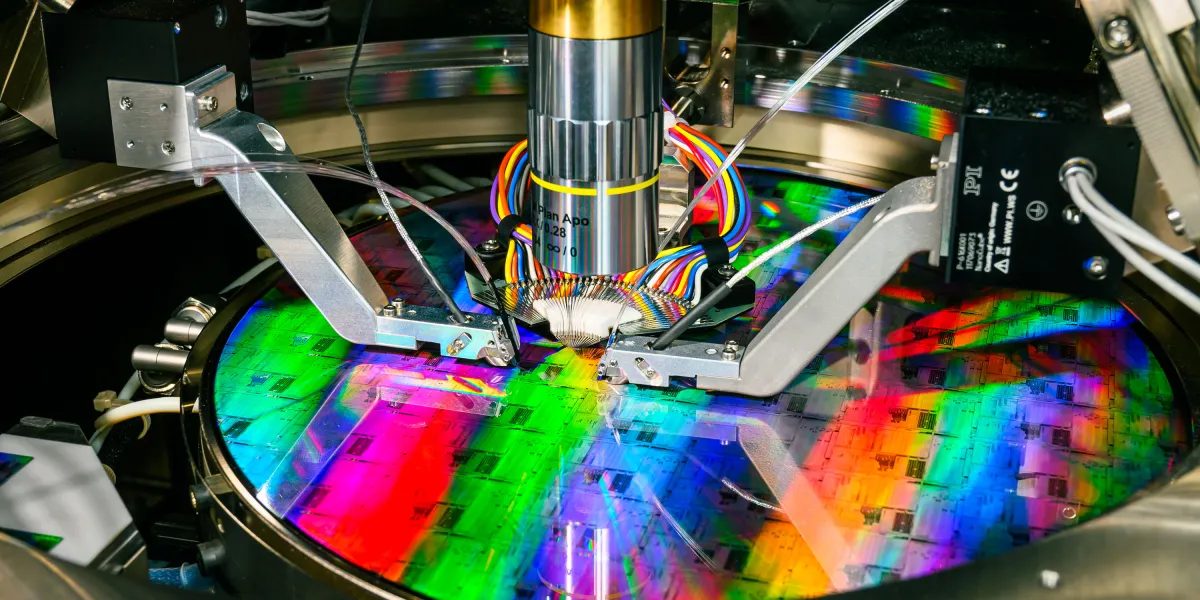
PsiQuantum, a company founded in 2016 by four physicists trained at UK universities, is pursuing a quantum computer built from particles of light rather than the superconducting circuits or trapped ions favored by most competitors, according to MIT Technology Review.
The design, as described, has not been built yet. The plan calls for roughly 100 stainless-steel cabinets, each holding hundreds of chips, arranged in a facility the publication likens to a cross between a data center and an ice cream factory. Thousands of photons would travel through networks of optical switches and beam splitters, with each particle tracked precisely. Measuring where each photon lands is what the company argues would let the machine solve problems that classical computers might need millions of years to complete.
That framing carries the usual caveat for the sector: the useful machine remains a target, not a product. PsiQuantum is competing against several well-funded rivals chasing similar goals, and no group has yet demonstrated a quantum computer that outperforms conventional hardware on a commercially meaningful task. The company's distinguishing bet is the choice of photonics, which it argues can scale using manufacturing techniques closer to those of the existing chip industry.
An engineering feat under the North Sea
Separately, MIT Technology Review documented construction of what it describes as the world's longest and deepest subsea road tunnel, running beneath the fjords of Norway. The tunnel will stretch 16.6 miles and reach 1,280 feet below the sea at its deepest point, carrying road traffic under the North Sea.
The reporting, filed from roughly 1,000 feet beneath the surface, frames the project as evidence that large-scale physical engineering remains achievable. The story has also been produced as an episode of the publication's Narrated podcast series, distributed on Spotify and Apple Podcasts.
Meta lawsuit alleges AI-driven layoff targeting
Among the day's other reported items, a lawsuit alleges that Meta used AI to help build a termination list, according to the Guardian. Reuters reported that the process pinpointed staff who had taken maternity or disability leave, and Ars Technica reported that one worker was allegedly told of her termination the day before her water broke. Gizmodo reported that the layoffs were intended to offset Meta's AI spending.
Meta has not been shown to have confirmed the allegations, which remain claims in litigation.
Other developments worth tracking
Several other stories surfaced in the same briefing:
- OpenAI's first consumer hardware will be a screenless mobile smart speaker positioned as an "AI companion," with a camera and sensors to interpret its surroundings, according to Bloomberg. It is set to launch next year, Engadget reported.
- Stripe and private equity firm Advent have made a joint bid to acquire PayPal for more than $53 billion, Reuters reported, as Apple Pay and Google Pay have eroded PayPal's share.
- DeepSeek plans to file for an IPO as soon as this year, likely listing in Shanghai, according to the Wall Street Journal.
- Demis Hassabis, CEO of DeepMind, has called for a US-led body to test frontier AI models for national security threats, according to the Financial Times, with Axios reporting the proposed watchdog could coordinate an industry-wide slowdown if risks escalate.
- A power auction is projected to add $6.3 billion in new charges tied to data center demand across 13 US states, according to the New York Times.
The common thread across these items is capital and power concentration around AI, set against the slower, physical work of tunnels and quantum hardware that will take years to prove out.