
New York’s $6 billion Quebec power line stumbles as grid waits for reliability proof
North America's longest underground power line, designed to pipe Quebec's renewable energy into New York, has already experienced two major outages since May. Questions about reliability and water supply are delaying its role in the grid.

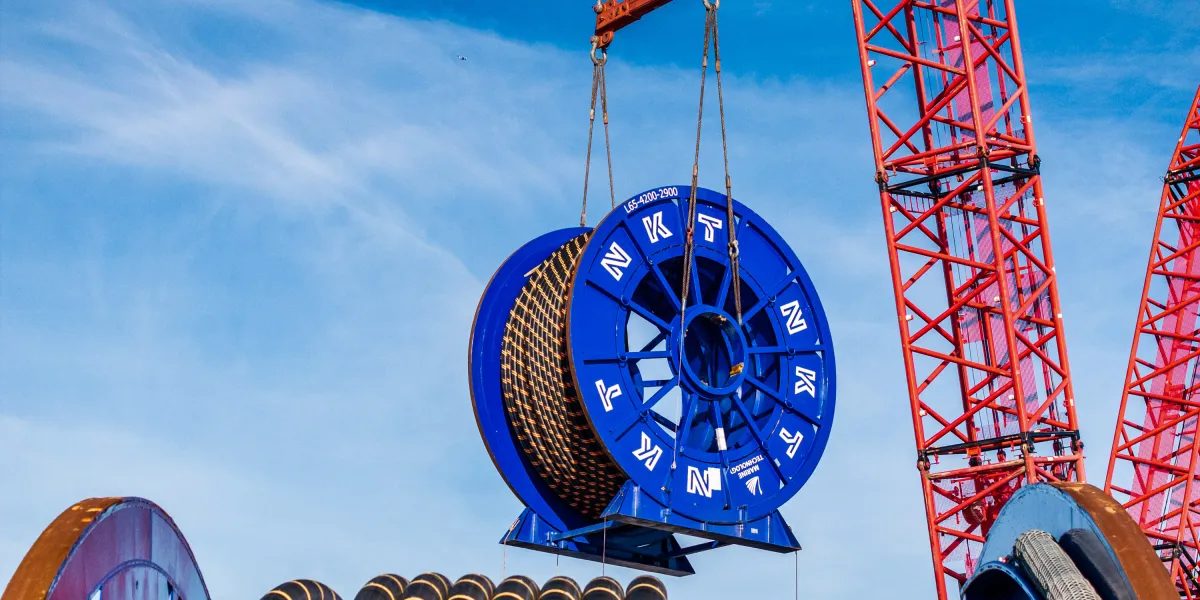
The Champlain Hudson Power Express (CHPE) opened in May as North America's longest underground transmission line, a 339-mile cable stretching from Quebec to Queens designed to deliver renewable hydropower into New York's grid. On July 3, during a heat wave, it performed as intended—delivering 52 gigawatt-hours of electricity from Canada, covering about 9% of the state's daily demand that day.
Since then, the project has stalled. The line went down on July 1 after a converter trip on the Canadian side, then again on July 4. As of late July, the second outage remained unresolved after officials discovered a damaged cable section on the US side.
Hydro-Québec's spokesperson Lynn St-Laurent said repair work, including post-repair testing, was estimated to complete by the weekend of the outage announcement, but the extended downtime underscores startup fragility in new transmission infrastructure.
The CHPE's financial scale is substantial: the privately funded project cost $6 billion total. It comprises two high-voltage direct-current cables, each roughly five inches across, buried underground or laid along the Hudson River floor using specialized water-jet equipment to cut trenches in the riverbed.
Once fully operational and reliable, the line could supply up to 20% of New York City's electricity demand. Since over 99% of Quebec's electricity comes from renewable sources—primarily hydropower—the CHPE would reduce New York's reliance on fossil fuel generation and potentially lower system costs. Research on grid interconnection shows it can cut emissions and reduce the need for new generating capacity.
Yet early performance troubles are not unprecedented. The New England Clean Energy Connect, a 145-mile transmission line from Quebec to Maine that opened in January, has also experienced outages and carried far less additional energy than expected into the region.
The timing of CHPE's reliability issues matters less than utilities initially feared. Kevin Lanahan, a spokesperson for the New York Independent System Operator (the grid's operator), stated the state's planning "did not assume CHPE would be available this summer, and that was one reason the grid performed reliably during the heat wave earlier this month." The principle underlying grid design is avoiding dependence on any single project.
The longer-term risk involves Quebec's water supply. The region has faced intense drought for three years, depleting the water reserves that feed hydroelectric generation. Even if CHPE stabilizes operationally, abundant hydropower to transmit across the border is not guaranteed.
Normand Mousseau, a physics professor at Université de Montréal, told the Gazette that early outages in new infrastructure are not unusual, and equipment typically isn't fully tested until operation begins. As the CHPE's equipment endures stress-testing and operators gain confidence in reliability, the line could eventually become a foundational piece of regional grid planning. For now, it remains a $6 billion asset in proving ground.