
New York City remains a destination of endless reinvention, from revitalized downtown neighborhoods to outer boroughs challenging Manhattan’s dominance
New York City's appeal now extends across all five boroughs, with the outer areas drawing as much attention as Manhattan. Repeat visits have become essential to experiencing the city's museums, dining, neighborhoods, and cultural offerings.

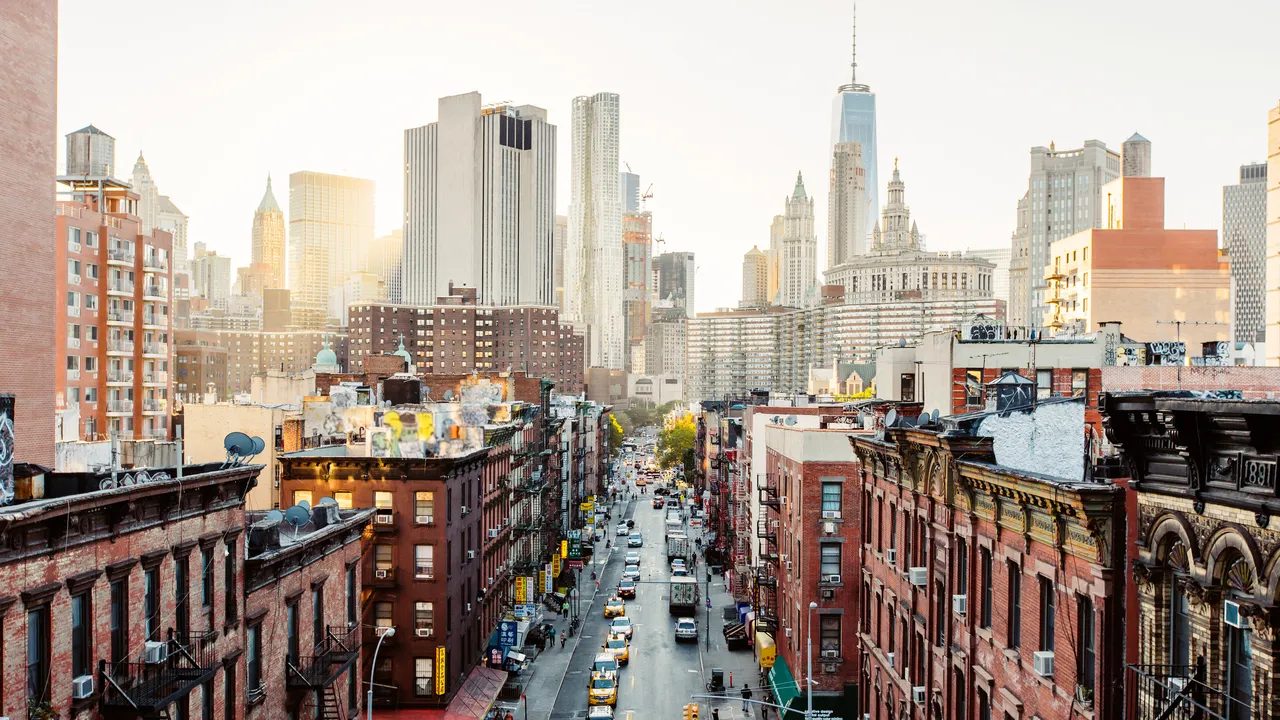
New York City has long carried the weight of expectation—a place where knowing the streets like a local registers as a badge of honor among travelers. Yet the practical reality is simpler: no single visit covers the museums, galleries, restaurants, and cultural venues the city contains. That's not a limitation; it's an invitation.
The geography of travel in New York has shifted. While Manhattan remains central to the city's identity, the outer boroughs now draw comparable attention from visitors. Brooklyn, Queens, the Bronx, and Staten Island offer distinct experiences that make repeat trips not just possible but increasingly expected. This distribution of appeal reshapes how travelers plan their time, requiring them to choose neighborhoods as much as landmarks.
Hotel options reflect this geographical spread. Properties range from boutique operations in SoHo and Crosby Street—positioned on quiet blocks yet steps from transit—to midtown addresses near Bryant Park and Central Park South. The Plaza on Fifth Avenue, the Mandarin Oriental near Columbus Circle, and The Carlyle on the Upper East Side represent the traditional luxury tier. Newer entries and boutique properties offer alternatives in Lower Manhattan and emerging neighborhoods, where design-forward spaces compete on location and price alongside heritage names.
Culturally, the city's draw remains its density of options. Museums anchor the experience for many visitors, though the scale can overwhelm first-timers. Curated lists help narrow focus, but the fundamental appeal persists: the city offers something different depending on what you seek and how long you stay. Wellness spaces, from subterranean spas to rooftop saunas, cater to travelers seeking respite alongside exploration.
Weekend trips from the city—to locations within a few hours' drive—indicate that New York itself sometimes requires a break. This pattern reflects a fundamental truth about the destination: it rewards extended engagement rather than checklist tourism. The city that never sleeps gains dimension through repeated visits, not despite the impossibility of covering everything in one.