
Materials Science Becomes the Hidden Foundation of Next-Generation AI Infrastructure
Materials science is no longer a supporting player in AI infrastructure—it's becoming the limiting factor. As semiconductors and data centers push physical boundaries, advanced materials determine what's technologically possible.

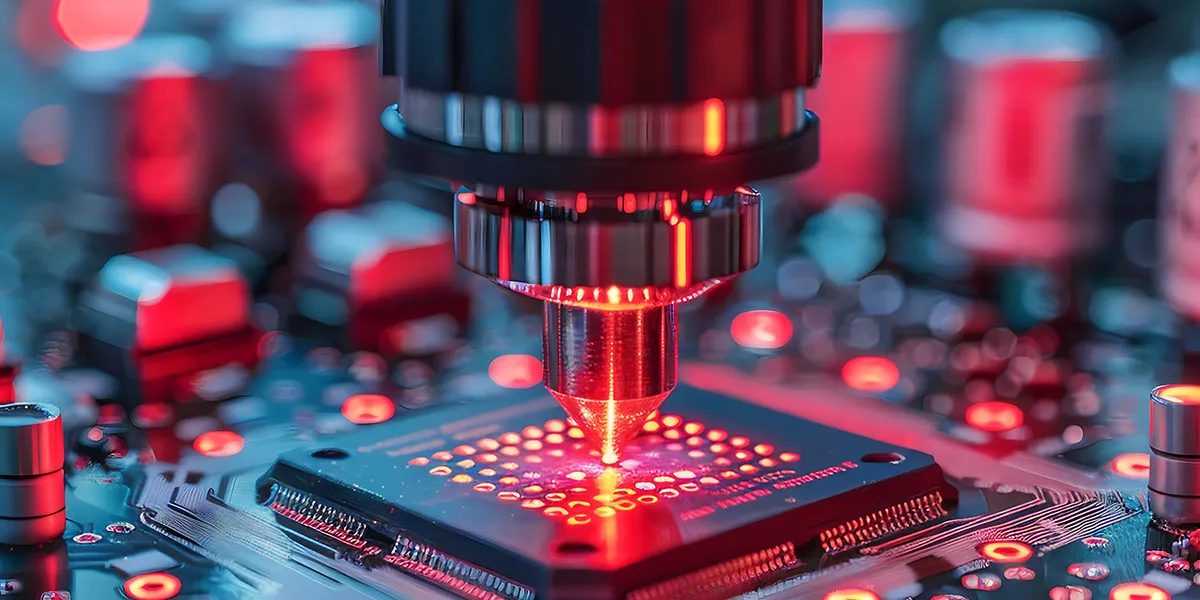
The race to build faster AI systems typically focuses on algorithms, chip design, and massive data center investments. But a critical constraint sits beneath the surface: materials.
As artificial intelligence demands more processing power, memory, energy efficiency, and reliability, the physical infrastructure supporting it faces mounting pressure. Semiconductor manufacturers now require materials that can withstand thousands of tightly controlled manufacturing steps with near-zero tolerance for error. Temperature fluctuations or chemical instability at microscopic scales create defects that reduce yield and drive costs up—problems that advanced materials must solve at increasingly extreme conditions.
Beyond the fabrication floor, data centers themselves are under strain. Higher computing density requires sophisticated thermal management, elevated-voltage power systems, improved data storage, and faster transmission. Cooling systems, power delivery, connectors, capacitors, and hard drives all operate under greater pressure than previous generations. This mirrors challenges the automotive industry solved for electric vehicles—fluid-circulation knowledge from automotive coolant systems, for instance, now transfers to direct liquid-cooling designs for AI servers.
The performance bar keeps rising, but how companies measure success has shifted. New materials must now solve genuine engineering challenges and meet sustainability expectations. Perfluoroelastomers, which seal semiconductor equipment under extreme temperatures and reactive chemicals, exemplify this shift: next-generation versions use fluorosurfactant-free manufacturing processes, eliminating the choice between higher performance and responsible production.
Qualification timelines remain lengthy—material adoption only happens when performance gains are real—but the definition of performance has expanded. Technical excellence alone no longer suffices; responsible manufacturing from the outset is now expected.
Material discovery itself is accelerating through computational tools. AI platforms help researchers identify promising molecular candidates faster, reducing physical experiments needed in early discovery stages. This approach doesn't replace scientific expertise; it redirects it. Researchers spend less time searching and more time solving the toughest challenges. At materials companies like Syensqo, tools including the Microsoft Discovery platform help identify heat-transfer fluid candidates for semiconductor and data-center use, focusing laboratory work where it has the greatest potential.
The journey from lab discovery to qualification still demands scientific rigor, testing, and customer collaboration. But by compressing discovery timelines, materials innovation can keep pace with semiconductor, electronics, and data-center evolution.
For the industry, progress requires more than better algorithms or bigger infrastructure. It requires materials that prove they can deliver performance, reliability, and efficiency under the most demanding conditions yet.