
Los Angeles Draws East Coast Transplants With Coastal Glamour and Substance Beyond the Hype
New York transplants are moving to Los Angeles for its revitalized downtown, strong food scene, and coastal access. The city's neighborhoods—from arts-focused districts to global food hubs—offer distinct identities beyond celebrity stereotypes.

Los Angeles is experiencing a shift in its appeal. Residents from New York City—historically vocal about the city's relentless sunshine and plastic surgery stereotypes—are relocating west in growing numbers, drawn by what the city actually offers rather than its reputation.
The draw extends beyond postcards. Downtown Los Angeles has undergone revival, expanding the city's geographic and cultural footprint. Miles of coastline provide accessible escape from the urban core. The food scene ranks among the strongest in the country, paired with shopping and public spaces like Runyon Canyon that command sweeping city views.
Neighborhoods offer distinct identities. Inglewood, which hosted Super Bowl LVI, maintains a global food culture and active arts scene. Koreatown concentrates dining, shopping, and wellness services within walkable blocks. The Arts District serves as a hub for galleries and creative spaces. Silver Lake positions itself as the original hipster enclave, while Pasadena offers refined luxury north of the main urban area.
Accommodation ranges across price points and positioning. Budget options include Stile Downtown Los Angeles, marketed toward design-conscious travelers seeking industrial aesthetics, and The Hôtel Lili, a Beverly Hills property emphasizing Old Hollywood glamour with Parisian influences. Mid-range properties like Silver Lake Pool & Inn blend regional design references—Palm Springs and Baja—into their brand identity. High-end properties cluster around Beverly Hills and Sunset Boulevard, with several carrying Readers' Choice Awards recognition.
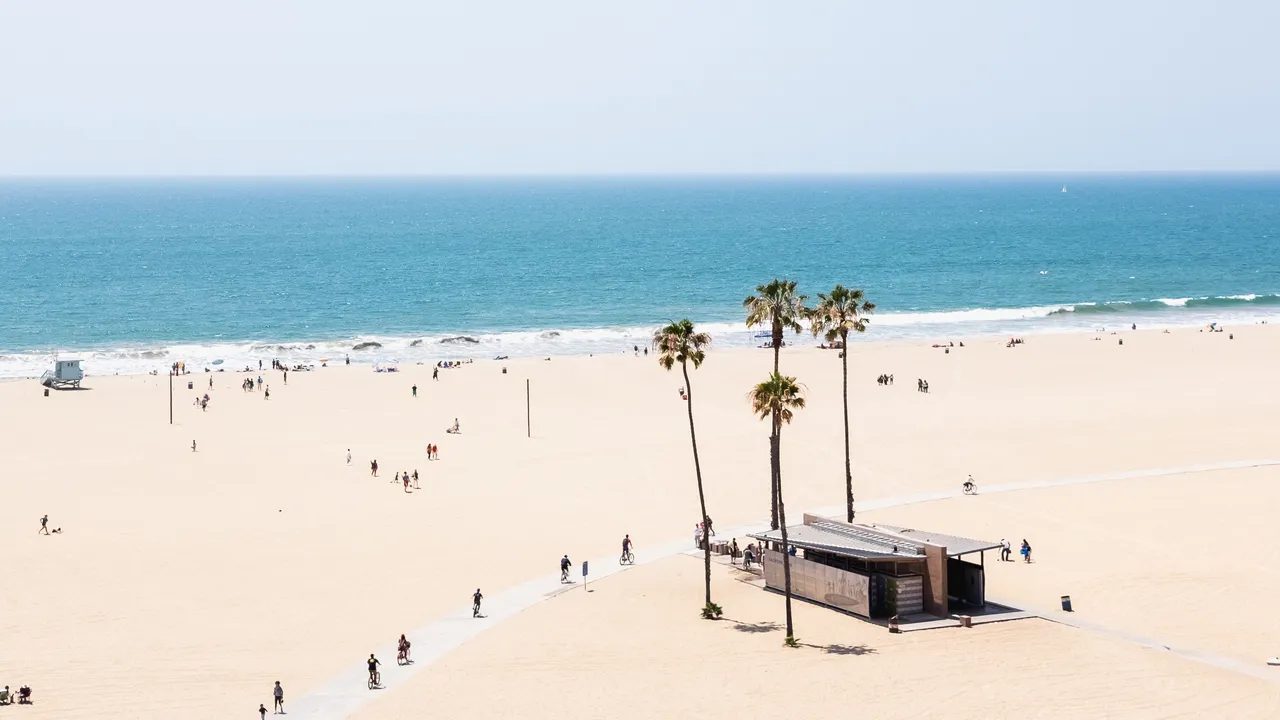
Outdoor activities shape weekend culture. Sixteen beaches span the coast, from Hermosa Beach to White Point, each serving different user types (day trippers, divers, hikers). Thirteen documented hiking routes cater to the local wellness-focused lifestyle. Sports venues like Dodger Stadium function as entertainment destinations independent of fan allegiance.
Los Angeles is scheduled to host the 2028 Olympics, a timeline that continues reshaping infrastructure and neighborhood investment patterns. The city's sprawl remains a defining characteristic—navigation requires strategy rather than assumption.