
Lisbon Draws 4.5 Million Visitors Annually as New Hotels and Restaurants Reshape Portugal’s Capital
Lisbon attracts 4.5 million annual visitors to its fado clubs, historic neighborhoods, and pastries. New hotels and restaurants signal the city's continued transformation as creative professionals settle in Portugal's capital.

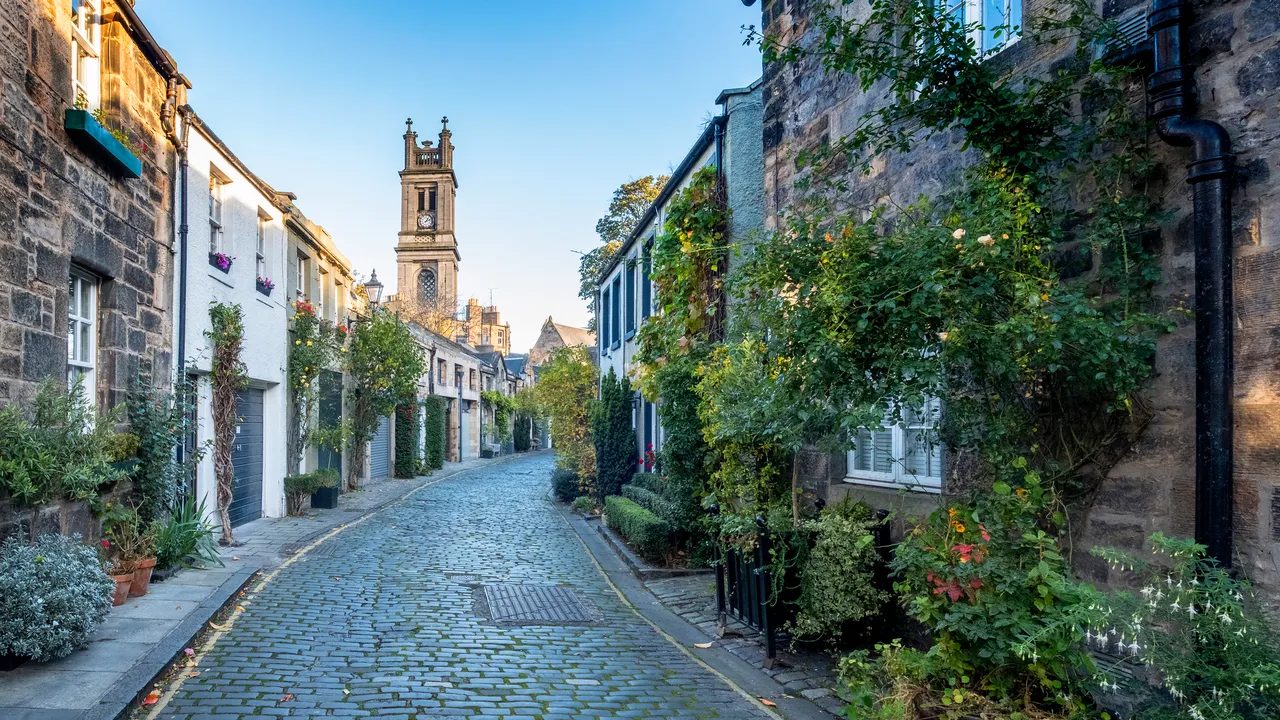
Lisbon attracts 4.5 million visitors each year, drawn to the Portuguese capital's established draws: fado music, historic ruins, winding old town streets, vintage trams, and the ubiquitous pasteis de nata pastries. Yet the city's cultural composition is shifting.
New hotels and restaurants continue to open across the capital, while the city's architectural energy is attracting a creative class that may reshape its character in coming years. Neighborhoods like Alfama—the city's oldest district tucked into hillside streets—remain central to Lisbon's identity, alongside the vibrant Chiado quarter and upmarket Príncipe Real.
For travelers, the accommodations range widely. Boutique options include Memmo Alfama, a modest property offering views across Lisbon's old streets, and the glass-fronted Memmo Príncipe Real, which provides vistas from most rooms. Mid-range choices span the Vintage Lisbon, featuring a suspended vertical garden and bar carts in every room, to the Santiago de Alfama, a 15th-century palace converted into a family-run hotel. Higher-end properties include the Corinthia Hotel Lisbon, which emphasizes city views and luxury service.
Cultural attractions remain anchored in Portuguese heritage. The Museu do Fado documents the genre's history through photographs, artifacts, and instruments. The Calouste Gulbenkian Museum houses Egyptian sculptures and Art Nouveau jewelry. The Museum of the Orient explores Portugal's historical influence on Asia through paintings, sculptures, and ceramics. The National Coach Museum preserves horse-drawn carriages as a record of lost craftsmanship.
Activities beyond museums reflect the city's varied appeal. Day trips to Costa da Caparica beach, boat tours along the Tagus River, and walking tours of lesser-known neighborhoods provide alternatives to mainstream tourist routes. Shopping districts cluster around boutiques specializing in handmade soap, linens, and hats—many refocusing on Portuguese artisanal traditions.
The city's trajectory suggests continued growth as infrastructure and creative offerings expand, though long-term impacts on neighborhood character remain uncertain.