John Legend to portray Harry Belafonte in apartheid-era film The Road Home
John Legend will play Harry Belafonte in The Road Home, a Bill Condon film exploring the Graceland tour and South African musical legends during apartheid.

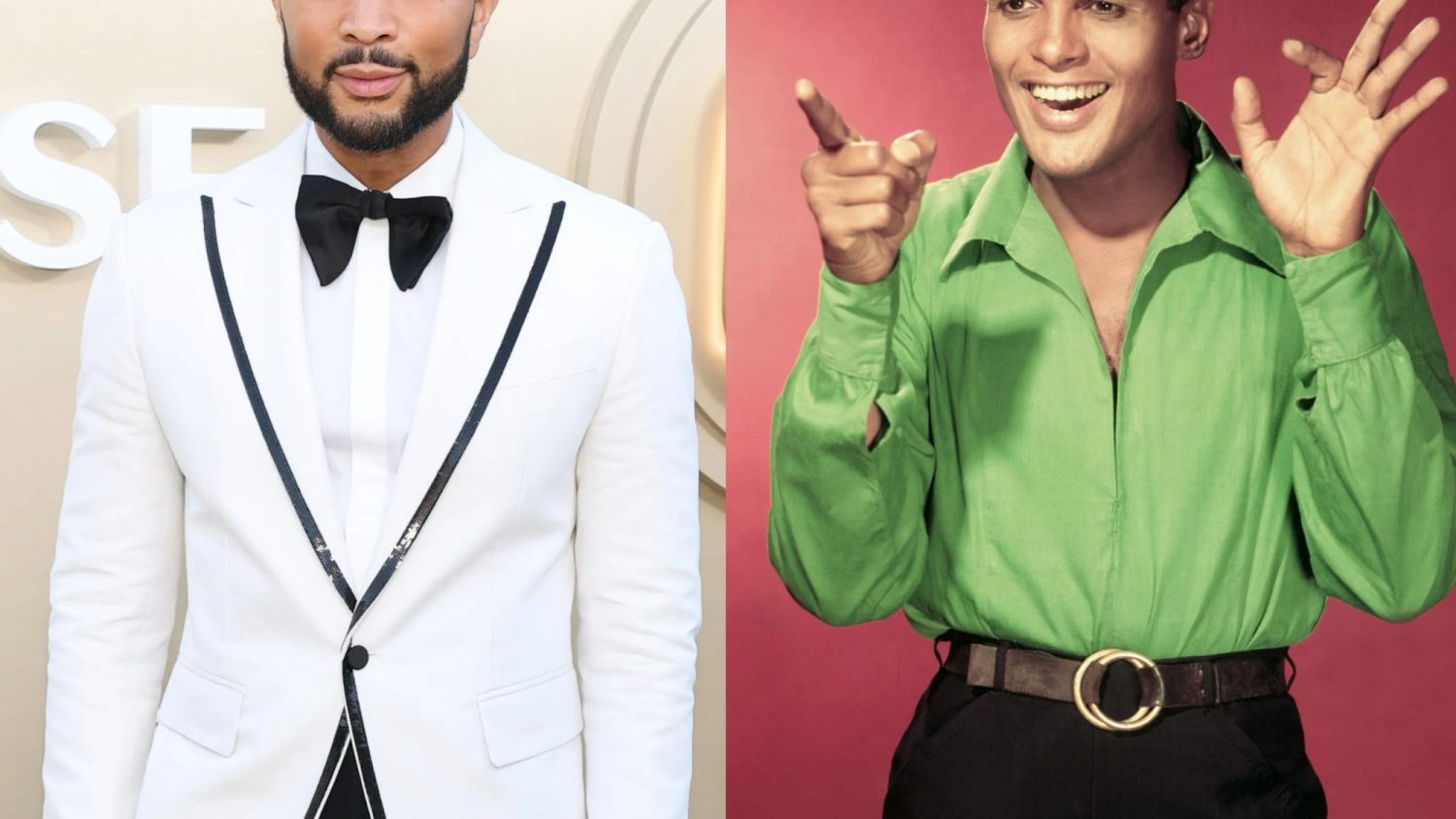
John Legend will take on the role of the late singer and activist Harry Belafonte in The Road Home, an upcoming film directed by Bill Condon currently in production. The casting marks a significant moment for Legend, who has long positioned himself at the intersection of music and social activism.
The film examines a pivotal chapter in music history: the 1986 Graceland tour, when Paul Simon travelled to South Africa with Hugh Masekela and Miriam Makeba during the country's apartheid era. The narrative weaves together the stories of these legendary musicians whilst also documenting the political complexities surrounding Simon's decision to tour the country under such circumstances.
A legacy of artistic conscience
Legend's interpretation of Belafonte carries particular resonance. The late artist spent decades using his platform to challenge injustice, from his early confrontations with segregation to his later work as a UN Goodwill Ambassador. In a statement about the role, Legend acknowledged this weight directly: "I was honoured to know Mr Belafonte as my friend, mentor and collaborator in the struggle for justice. He was an incredible human being who lived a monumental, revolutionary life."
The actor's own trajectory supports his appointment to this role. In 2015, Legend won an Academy Award for "Glory," the Selma soundtrack single that became an anthem for civil rights discourse. Since then, he has continued to leverage his platform on matters of social concern, positioning himself as part of a continuum of artist-activists that Belafonte helped establish.
A cast reflecting historical magnitude
Legend shares the screen with an ensemble that reflects the film's ambition. Thabo Remetsi will play Masekela, whilst Tony Award-winning performer Cynthia Erivo takes the role of Makeba. Guy Pearce rounds out the cast as Archbishop Trevor Huddleston, the anti-apartheid advocate who notably boycotted Simon's original Graceland tour.
The choice of these actors suggests Condon's intent to centre the voices and legacies of South African figures within a Western-dominated narrative. By casting Erivo—an artist of Nigerian-British heritage with deep connections to themes of cultural identity and social justice—as Makeba, the production signals a commitment to honouring the historical figures at its heart rather than subordinating them to supporting roles.
The Graceland question
The Road Home arrives at a moment when the Graceland album itself remains contested cultural territory. Simon's 1986 collaboration with South African musicians, whilst commercially triumphant and critically acclaimed, has long been debated by scholars and activists. Some view it as a meaningful cultural exchange that elevated South African music on the world stage; others argue it bypassed the cultural boycott that anti-apartheid advocates had organised. Huddleston's historical boycott, which the film will dramatise, underscores this tension.
By centring Belafonte—a figure who navigated similar questions of complicity, solidarity and artistic responsibility throughout his career—the film positions itself to examine these contradictions rather than resolve them neatly. Belafonte himself was deeply involved in anti-apartheid organising, making his presence in the narrative, even posthumously, a choice weighted with meaning.
What comes next
Legend's recent output includes a 2024 children's album produced by Sufjan Stevens, marking a departure into new creative territory. The Road Home represents his most significant acting commitment to date and suggests an appetite to expand beyond music into roles that allow him to engage with historical narrative and political substance. For viewers interested in how contemporary artists reckon with legacies of activism and cultural complexity, the film promises to be a necessary conversation.