
Janay Kingsberry: The Atlantic’s Reporter on Power, Culture, and Washington’s Shifting Landscape
Janay Kingsberry is a staff writer at The Atlantic covering politics, culture, and power in Washington. Her reporting examines institutional battles, presidential authority, and the symbolic dimensions of political change.

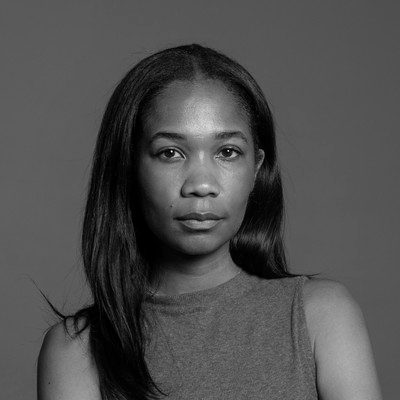
Janay Kingsberry is a staff writer at The Atlantic, where she reports on politics, culture, and the machinery of power in Washington. Her byline has appeared across the publication's coverage of consequential moments in American governance and cultural life, often examining how political decisions reshape public institutions.
Kingsberry's recent reporting has focused on the tension between executive authority and institutional independence. She covered the legal and political fight over the Kennedy Center, documenting Representative Joyce Beatty's lawsuit against presidential control of the arts complex and the subsequent court-ordered removal of a president's name from the institution's signage and materials. Her articles traced the broader implications: lawyers ordering staff to strip a president's name from email signatures, letterhead, websites, brochures, and promotional materials across federal agencies.
Beyond institutional battles, Kingsberry has examined the aesthetic and symbolic dimensions of political power. She reported on changes to Washington's physical landscape, including modifications to the Reflecting Pool and other public sites, framing these alterations as questions about public taste and presidential authority. She also investigated the Trump Kennedy Center Foundation, a previously unmentioned entity that raised questions about institutional governance.
Her cultural criticism engages with how entertainment reflects political moment. She covered the Mark Twain Prize ceremony, analyzing how a president's presence at a comedy roast illustrated broader tensions about self-absorption in public life. She has also written culture recommendations spanning television, visual arts, and entertainment.
Kingsberry's reporting style emphasizes specificity and institutional detail. Rather than broad pronouncements, she documents the paper trail of power: court decisions, legal filings, and the concrete mechanisms by which policy changes ripple through government agencies. Her work on the reversal of humanities research grant cancellations, reported alongside Kelsey Ables, illustrated how judicial intervention can alter executive decisions.
At The Atlantic, Kingsberry contributes to a publication focused on long-form analysis and reported narrative. Her work suggests an interest in how formal institutions respond to political pressure and how symbolic gestures (renaming, redesign, removal) function as sites of political meaning. She writes for readers interested in Washington's mechanics and the cultural implications of political power.