
Five European Cities Worth Your Time—Before They Become Someone Else’s Discovery
Guimarães, Aix-en-Provence, Ohrid, Tirana, and Thessaloniki run on local momentum, not tourist dollars. Walk streets where locals live, eat where they dine, and find culture that doesn't perform.

Europe's most visited cities have become predictable. Every piazza reads like a stage set, every café caters to the algorithm. But travel specialists and on-the-ground operators know where to point people instead: five cities where the economy still runs on local appetite, not tourist euros.
Guimarães, Portugal
This medieval Portuguese town compresses 1,000 years into a compact center—castle and ducal palace first, then winding historic streets that lead to Largo da Oliveira for coffee. The archaeological site Citânia de Briteiros stacks layers of pre-Roman settlement visible in stone. For dinner, Pousada do Mosteiro sits on a hill overlooking everything below.
Museu de Alberto Sampaio holds goldsmithery and gilded wood; the Centro Internacional das Artes José de Guimarães serves the contemporary crowd. A Oficina offers revived traditions—embroidery, pottery, private artist workshops by advance booking. Quinta de Covela and nearby 16th-century manors do wine tastings, lunch, and cooking classes. According to Sara Sardinha, managing director of Tours for You, the Pousada remains the classic base, though Torel's Royal Court (launched by tennis player João Sousa) adds newer lodging.
Aix-en-Provence, France
While tourists picture lavender fields and farmhouse rentals, Aix functions as the practical Provence hub. Wide Parisian-style boulevards lack the traffic; fountains punctuate every square. Cézanne's studio, the Saint-Pierre cemetery where he was buried, and the Terrain des Peintres (painted by the artist repeatedly) sit within walking distance.
Value runs 40–50% lower than Paris or the Riviera. A jambon-beurre costs five euros. Villa Saint-Ange offers proximity to Cézanne and houses Âma Terra, run by chef Pierre Gagnaire with inventive Provençal cooking. Villa La Coste opens vineyards and art nearby; Marseille and the coast sit an hour south. According to Sunil Metcalfe, sales director at Black Tomato, France-based travel professionals live in Aix for a reason: "It's gorgeous, it's practical, and it lets you do everything without the faff."
Ohrid, North Macedonia
Lake Ohrid—one of Europe's oldest and deepest lakes—straddles North Macedonia and Albania, often called the "European Galapagos" for its biodiversity. The city of Ohrid on the Macedonian shore pairs freshwater swimming and sunbathing with Byzantine architecture and nature.
Potpesh and Kaneo beaches offer relaxed mornings. The cliffside Church of St. John at Kaneo and Tsar Samuel's Fortress deliver history and vistas. The Ancient Macedonian Theatre of Ohrid rounds out the archaeological angle. Viva Ksantika serves hearty local cuisine; Kaj Kanevche dominates waterfront dining. Boat trips cross the lake to the Monastery of Saint Naum.
Tirana, Albania
Albania's capital braids communist-era architecture with youthful energy. The 1988 Tirana Pyramid, originally monumental state propaganda, now functions as a youth cultural hub. The walkable city center sprawls around Skanderbeg Square, where sofa-like benches host iced-coffee drinkers. The Grand Park and Mount Dajti anchor the landscape.
A cable car climbs Mount Dajti for panoramic views. Mullixhiu restaurant, set at the Grand Park's edge, takes diners on a culinary journey through Albanian food. The Blloku neighborhood concentrates nightlife. According to Elise Morton, former Eastern Europe Commissioning Editor for Culture Trip, Tirana offers "a glimpse into Albania's captivating recent history and an invigorating taste of a vibrant, rapidly evolving capital."
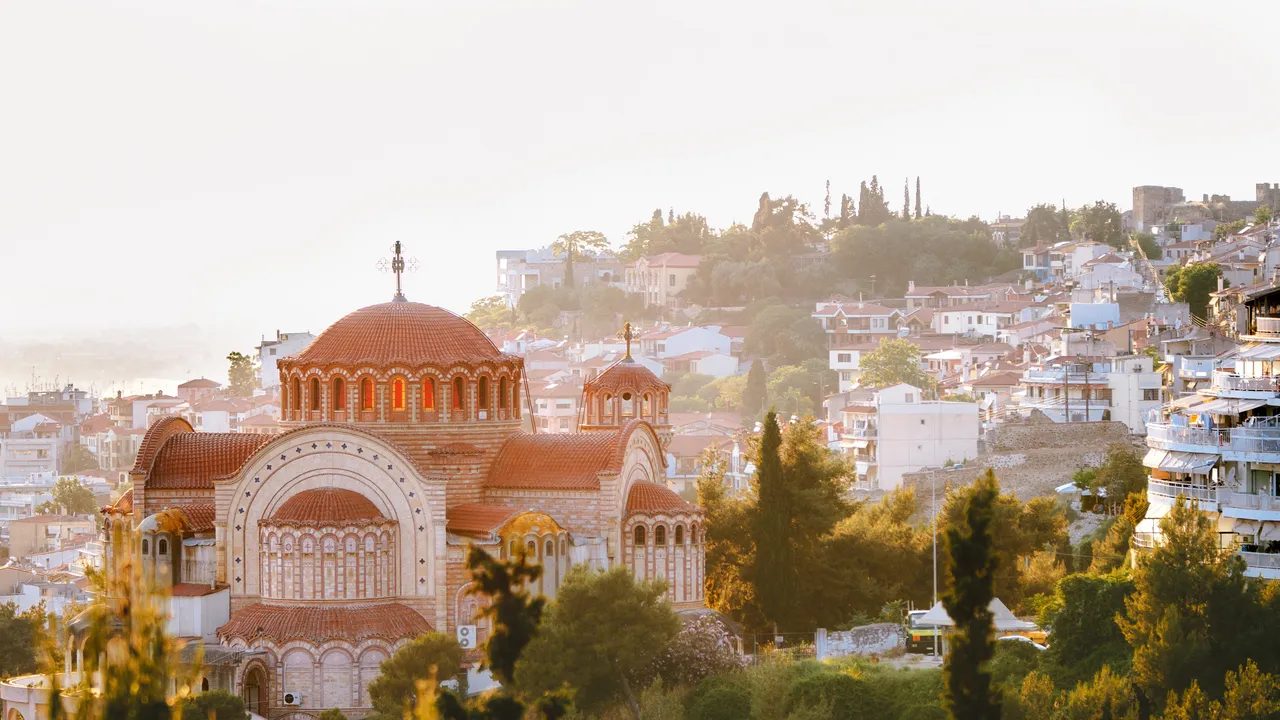
Thessaloniki, Greece
Greece's second city trails Athens in tourist volume but leads in food. UNESCO named Thessaloniki Greece's first "City of Gastronomy" in November 2021. A large student population fuels creative energy. The Roman forum, frescoes in the Rotunda, and Ottoman hamams stand equally rich in history, if less grandiose than the Acropolis.
Thessaloniki's multicultural past often goes unmentioned by visitors. In the early 20th century, the city held Europe's largest Jewish population, a legacy still woven through neighborhoods, architecture, and culture. The combination—food excellence, creative vibe, and layered heritage—makes it worth the detour from the usual circuit.
What These Cities Share
Each operates on different logic than Europe's marquee destinations. Trams arrive on schedule without prettified streets. Saturday markets thrive because locals need dinner, not atmosphere. Talented chefs trained elsewhere but returned because the numbers worked and family cooks Sunday lunch. Artists haven't been priced out yet. City councils argue about bike lanes as if they matter. Most traditions—like long lunch breaks—continue because locals value them, not for tourism.
According to Condé Nast Traveler's survey of travel specialists and Europe-based booking operators, these cities offer a rarity: culture driven by local appetite, ways of life that persist whether observed or not, and enough space between visitors to form your own opinion.