Davido, Shannon Lay, and 730Turk Lead Pitchfork’s Latest Staff Picks
Pitchfork's weekly playlist highlights new music from Davido, Shannon Lay, 730Turk and others, reflecting the publication's editorial voice.

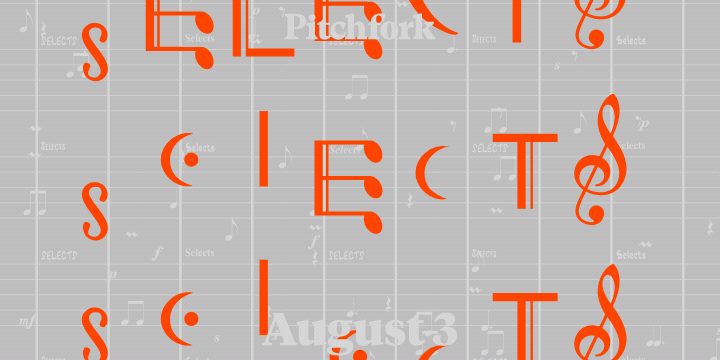
Every Monday, Pitchfork's editorial team distils its weekly listening into a single playlist. The exercise is straightforward: staff writers, editors, and contributors nominate tracks they cannot stop playing, and the publication bundles them into what it calls Pitchfork Selects—a grab-bag of recommendations united by a single principle: songs worth sharing with a friend.
The August edition offers a case study in how taste operates at scale. There is no obvious sonic thread connecting Davido's afrobeats production to the ambient textures of Marina Herlop or the indie rock arrangements of Heathers. Yet the curation itself becomes the argument: that a music publication's authority rests not in declaring a single "sound of the moment" but in trusting its audience to navigate eclecticism.
The Week's Standouts
Davido and producer NO11's collaboration "Gimme Dat Ting" sits alongside Shannon Lay's introspective "What Does It Mean?"—a pairing that illustrates how contemporary playlists function as mood collages rather than coherent narratives. The presence of 730Turk's "Them vs. Me" and the collaboration between Ninajirachi and Porter Robinson titled "WannaCry" suggests Pitchfork's writers are drawn to tracks that sit at the intersection of underground production and mainstream accessibility.
The playlist includes seventeen tracks in total. Among them are less widely recognised artists such as Amil Raja, Awfultop, and Elanor Moss, positioned alongside established acts like Blonde Redhead. This mixture reflects a staffing structure in which newer contributors and veterans carry equal weight in shaping the publication's agenda.
Curation as Editorial Voice
Pitchfork Selects functions as a weekly index of the publication's attention. Unlike algorithmically generated playlists, which optimise for retention and engagement, editorially curated lists require explanation—or in this case, a byline for each track indicating which staff member championed it. Philip Sherburne's selection of Eden Aurelius's "Acquiescence" carries implicit weight because Sherburne is known for his writing on electronic music and composition. Jazz Monroe's pick of Davido's track invokes her coverage of Afrobeats.
The format offers readers a window into how professional listeners think. A casual listener might encounter Heathers' "Drive/Park" or Kade Young's "Leswerk" and never encounter them otherwise. The playlist's architecture—brief, attributable, repeatable—has become a template copied across the music press.
The Limits of Curation
Sceptics might argue that weekly playlists function primarily as marketing vehicles, offering playlist placement to labels and artists in exchange for continued coverage relationships. The presence of major-label artists such as Davido alongside independent releases does not resolve this tension. Pitchfork's financial model depends on engagement; curation drives engagement.
What remains clear is that the playlist format persists. Since its launch, Pitchfork Selects has become a fixture of the publication's calendar. It requires minimal explanation—the songs speak for themselves—yet it generates measurable traffic and playlist followers on streaming platforms. For listeners seeking trusted entry points into unfamiliar music, it remains a reliable signal.
The August edition is available on Apple Music and Spotify, curated by Pitchfork's staff.