
Brussels, Crete, and Frankfurt Lead Europe’s Travel Agenda in 2026
Brussels opens a Centre Pompidou outpost, Crete becomes the European Region of Gastronomy, and Frankfurt takes the World Design Capital title in 2026. New hotels, cultural venues, and transit improvements make these three destinations strategic additions to 2026 travel plans.

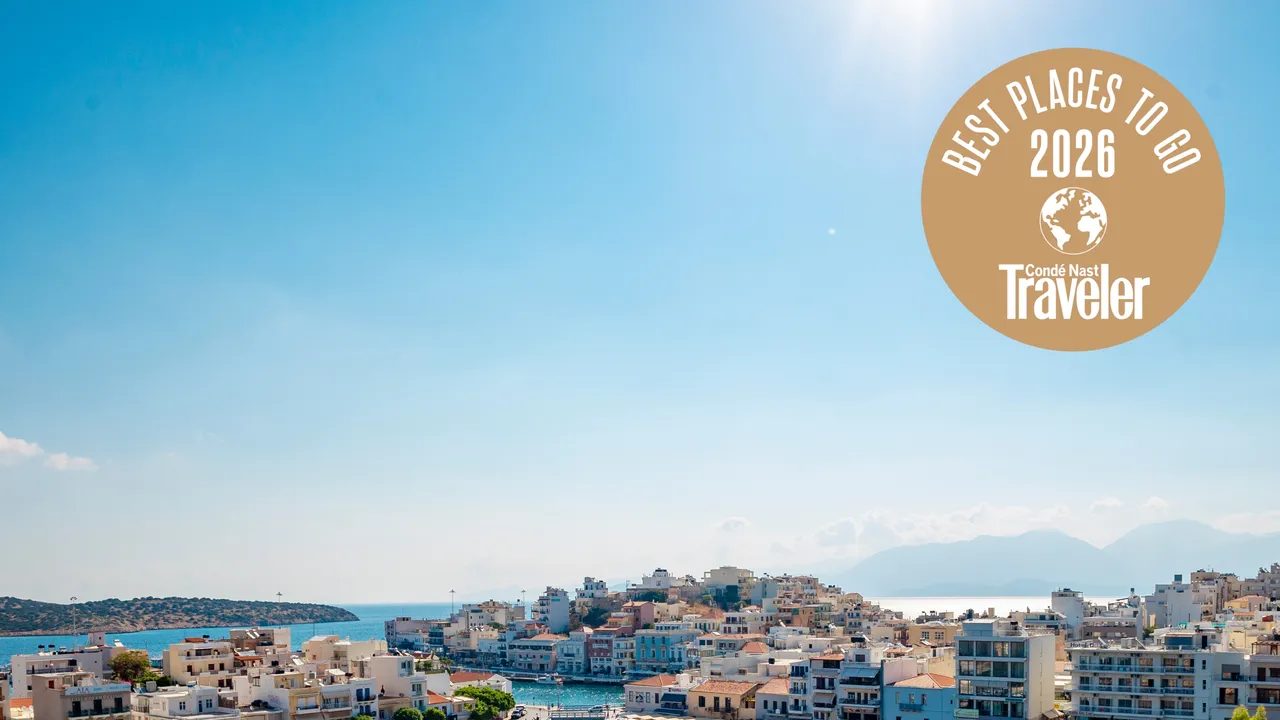
Three European destinations are positioning themselves as must-visit spots in 2026, each leveraging distinct cultural and infrastructural developments to attract travelers.
Brussels is shedding its image as a bureaucratic center through a wave of creative investment. The city opens Kanal—Centre Pompidou in November 2026, converting a dormant factory into a contemporary arts venue developed in partnership with Paris's Centre Pompidou. The space will span five floors with exhibition galleries, live performance areas, music and film programming, workshops, a library, and a rooftop restaurant and bar overlooking the venue's main floor. Alongside this flagship opening, the newly launched hotel The Standard adds rooftop dining and design-forward accommodations within walking distance of the center.
Conservation efforts also define Brussels's appeal. The Dome Project restores Belgium's first department store with contemporary design, while Gare Maritime, a former freight station, now hosts design fairs and chef-led food operations. Spring and early summer offer the best visiting windows, coinciding with Art Brussels—an international gallery and collector fair—and the biannual Zinneke Parade street festival. New tram connections between the airport, city center, and canal district launch in 2026, improving accessibility.
Crete gains prominence as the European Region of Gastronomy for 2026, a designation tied to the island's culinary heritage and the Cretan diet's health reputation. The tradition of foraging remains central to local cooking; wild greens, snails in garlic sauce, and golden thistle root appear on menus across the island. A week-long Cretan Diet festival takes place in July 2026 in the Venetian fortress town of Rethymnon. New resort openings support this positioning: Ikos Kissamos, the brand's first Cretan property, features seven restaurants with menus developed by Michelin-recognized chefs. Niko Seaside Resort MGallery Crete operates from a converted soap factory and emphasizes locally sourced ingredients. Greece's first Rosewood opens in Elounda with farm-to-table dining overlooking the former leper colony Spinalonga. A new airport replacing Crete's frequently criticized existing facility enters soft launch phase, reducing travel friction to the island.
Frankfort assumes the title of World Design Capital 2026, triggering citywide events, exhibitions, and symposiums throughout the year. Once known primarily for its financial district and skyline, the city has developed a notable food culture and electronic music heritage alongside its design reputation. The city's compact geography and accessible public transit make it navigable despite its metropolitan scale.
All three destinations benefit from existing transportation infrastructure. Brussels connects to major European cities via Eurostar, Ryanair, and EasyJet. Crete's three airports—in Heraklion, Chania, and Sitia—provide regional entry points. Frankfurt's central location and airport connectivity position it as a logical hub for Central European travel.