
Miami’s Evolution Beyond the South Beach Stereotype
Miami extends beyond its South Beach stereotype. Wynwood, Brickell, and Calle Ocho have transformed into creative and commercial centers, while new parks, museums, and hotels reshape how the city markets itself to visitors.

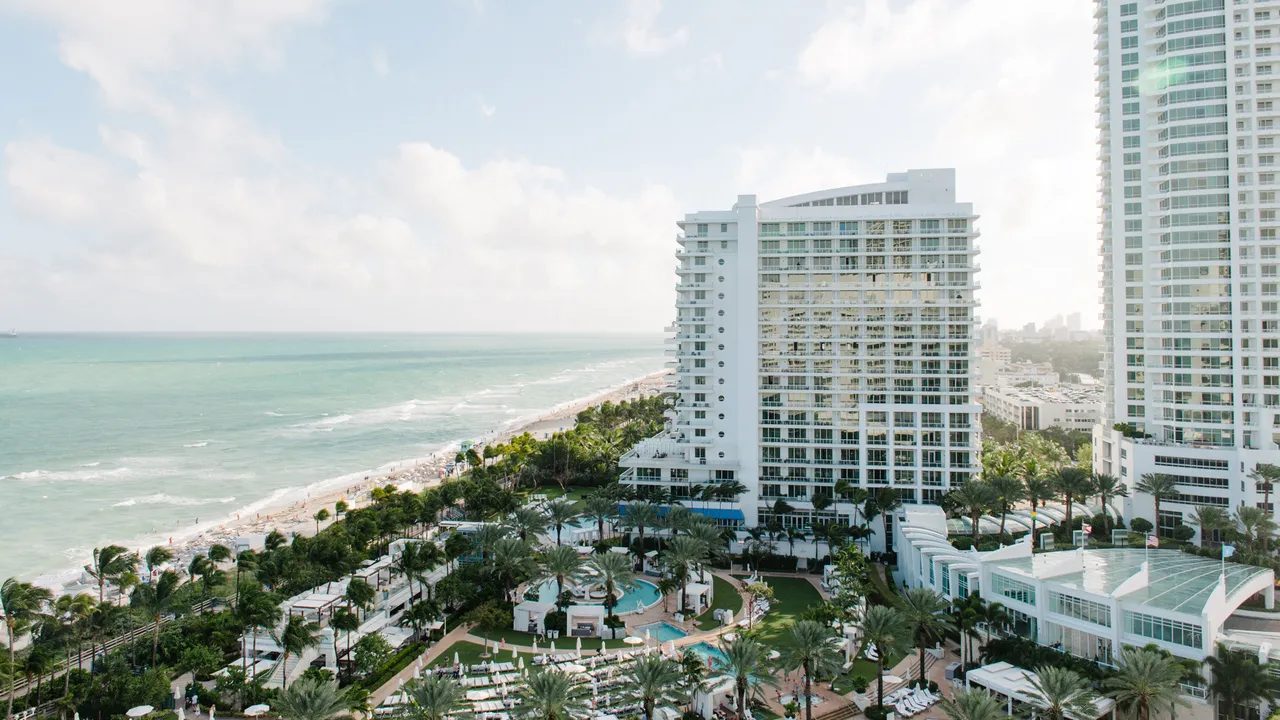
Miami's popular image—mojitos, exotic cars, neon-soaked South Beach—remains real but incomplete. The city's actual character now extends far beyond its beach playground, with neighborhoods undergoing significant cultural and commercial shifts.
Wynwood has emerged as a cosmopolitan creative center, shedding its once-gritty reputation. Brickell functions as the business hub, anchored by properties like the Four Seasons Hotel Miami and the recently opened Kimpton EPIC Hotel at the convergence of the Miami River and Biscayne Bay. Meanwhile, Calle Ocho pulses with energy as a cultural artery.
The Miami Design District continues establishing itself as the city's premier shopping and arts destination, while Coconut Grove blends bohemian aesthetics with waterfront access and urban sophistication. Newer attractions like The Underline—a 10-mile linear park currently under development in Brickell—signal ongoing investment in livable public spaces.
Beaches remain central, but differentiated. South Beach's party infrastructure competes with quieter stretches at Sunny Isles and family-oriented options like the Loews Miami Beach Hotel. The beachfront itself continues evolving, with recent hotel openings (Unframed Miami Beach, The Edition Miami Beach, The Moore) offering design-forward alternatives to established properties.
Cultural institutions have expanded beyond stereotypical resort offerings. The Miami New Drama theater operates with an intimate, underground-feeling atmosphere. The Freedom Tower at Miami Dade College provides historical context for the city's Cuban heritage and multicultural roots. Smaller venues—the Museum of Graffiti, Museum of Sex Miami, and Treetop Trekking—reflect the city's creative diversity rather than a monolithic identity.
This diversification matters practically: visitors now find substantive reasons to explore neighborhoods beyond the beach strip. Art galleries, vintage stores, dive bars, and interactive installations coexist with conventional resort tourism. Neighborhoods once associated with crime or neglect now attract investment and foot traffic.
The shift reflects broader demographic and economic forces—Miami's growing tech sector, rising international investment, and demographic changes among younger professionals relocating from costlier coastal cities. However, rapid development has also sparked concerns about affordability and gentrification in historically working-class areas like Wynwood, where rising rents have begun pricing out artists and small businesses.