Isaac del Toro: From Hospital Bed to Tour de France Podium
The 22-year-old Mexican cyclist is third overall at his Tour de France debut after recovering from a career-threatening femur break four years ago. His partnership with Tadej Pogačar is reshaping expectations around North American talent in Europe's toughest race.

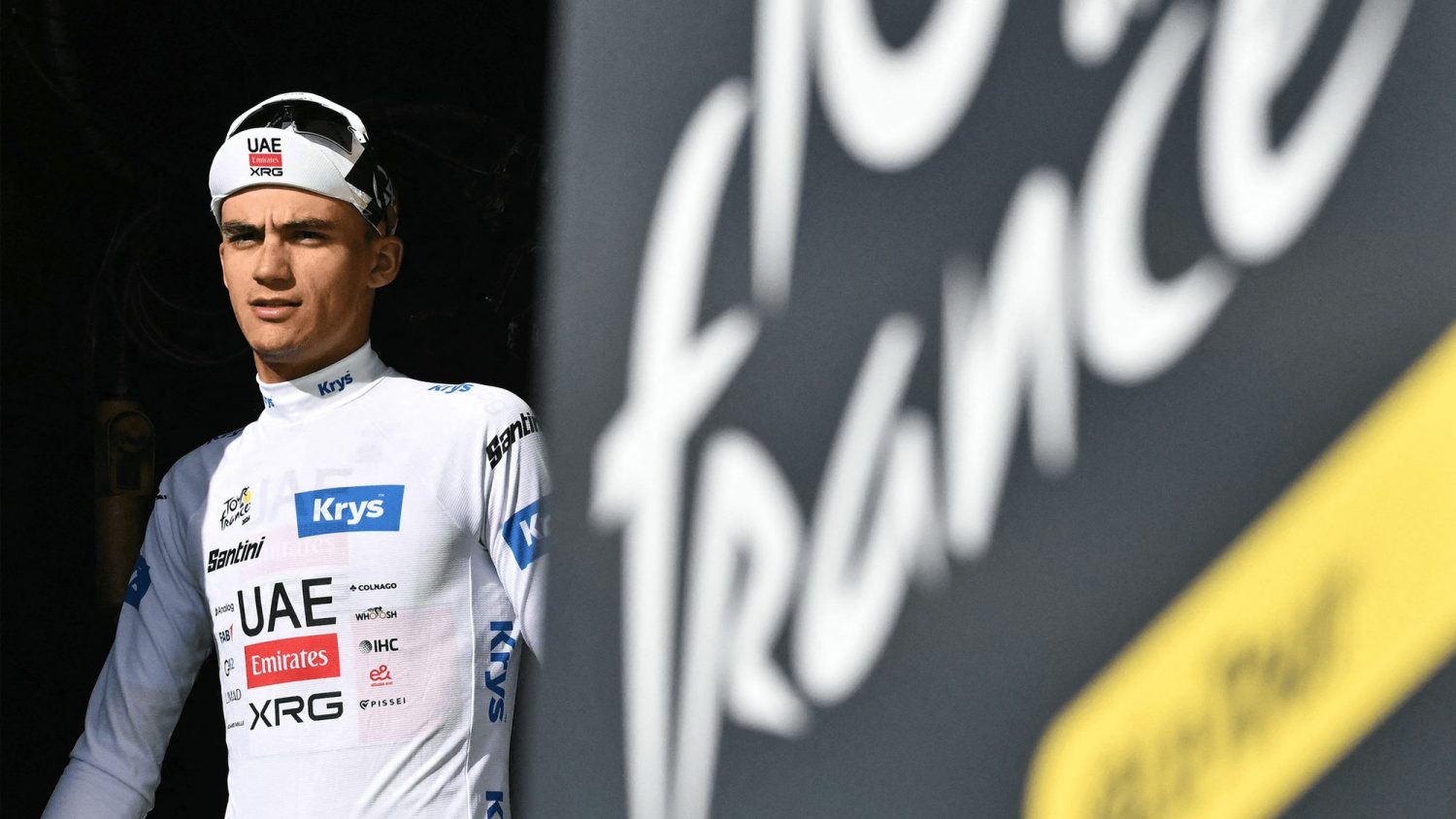
Isaac del Toro is third overall at the 2026 Tour de France on his debut, wearing the white jersey as the best young rider in the race. Four years ago, the 22-year-old Mexican was lying in a hospital bed in Italy with a broken femur, broke, far from home, and seriously considering retirement.
Del Toro crashed while training near his European base as an 18-year-old without a professional contract. He spent 16 days in hospital. "I was pretty weak," he recalled in an interview with The Athletic. "I don't remember much about the first four days, but I realised that though there were people around, I was on my own."
The injury forced a choice: return to his family in Ensenada, Baja California and abandon his cycling ambitions, or push forward. Three weeks after leaving the hospital, Del Toro rode back down the same descent where he crashed. "Honestly, that ride was one of the strongest feelings I've ever had in my life," he said. "Every time I pass, I feel something inside, something that forms the mentality that I want for everything."
Less than four years later, that mentality has produced measurable results. Del Toro finished third at the 2025 Giro d'Italia and is now contending for a top-three finish at the Tour on his first attempt. He is riding for UAE Team Emirates alongside Tadej Pogačar, his mentor and friend, in what has become one of professional cycling's more unusual partnerships.
Their relationship defies the typical dynamic between a leader and an ambitious young domestique. On stage two, Pogačar deliberately gifted Del Toro a stage win, allowing his teammate to outkick Jonas Vingegaard in the final metres. After the finish, Pogačar wrapped himself in the Mexican flag and chanted with Mexican fans: "¡Pogi, hermano, ya eres mexicano!" — Pogi, brother, you are Mexican.
"For me, it shows the world how he is as a person," Del Toro said of the gesture. "I don't know if something like this has happened before, but for me, I won my very first opportunity in this race. This is thanks to him."
Del Toro's path to cycling began at age five with a Spiderman bicycle his mother gave him to burn energy. He fell in love with the sport immediately. His older brother Angel, a rival in childhood races, pushed him to improve—a dynamic that mirrors Pogačar's own upbringing chasing his older brother Milen on unicycles.
The partnership between Del Toro and Pogačar extends beyond race strategy. On stage 15, when Vingegaard crashed in front of him, Del Toro deliberately went down to avoid hitting Pogačar's yellow jersey. Minutes later, grimacing and holding his back, he rode up the hors catégorie Plateau de Solaison climb. Pogačar paced him up the final ascent, keeping him clear of third-place challenger Paul Seixas.
"Sometimes you just connect with some people," Del Toro explained about his relationship with Pogačar. "In the beginning, I just tried to be as realistic as I could be. Sometimes you need to say to people what you think, not what they want to listen to. But I cannot be his fan even if I respect him and love him as a guy."
Del Toro's emergence as a top-tier Grand Tour contender marks a shift in professional cycling's geographic power structure. While North America has produced notable cyclists, few have reached the podium level at the Tour de France in recent years. His performance suggests the region's talent pipeline extends beyond traditional powerhouses.