
Pete Hegseth’s Pentagon Problem: Stuck in a Captain’s Mentality
Military officials say Pete Hegseth, the Pentagon chief, shows the mentality of a junior officer, focused on beard policies and fitness rather than strategic threats. The comparison to Tom Cruise's character in Top Gun: Maverick is more apt than fiction.

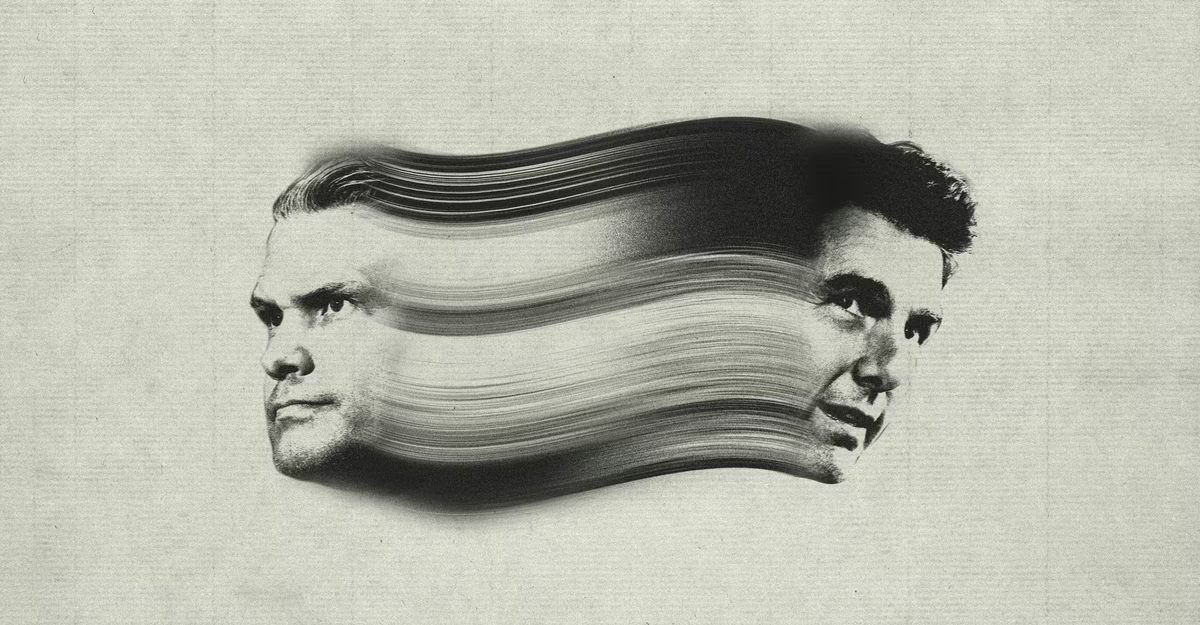
At 46, Pete Hegseth is considerably younger than Tom Cruise's character in Top Gun: Maverick. Yet since becoming Pentagon chief 18 months ago, military officials have repeatedly described the defense secretary as intellectually frozen in the mindset of a junior officer, according to The Atlantic.
Hegseth's military background supports this assessment. He joined the Army National Guard after college, led a platoon in Iraq in 2005, and trained local forces in Afghanistan in 2011. By 2021, he had reached the rank of major. His writings show a preoccupation with battlefield-level concerns: relentless pressure on the enemy, protection of frontline troops from legal constraints, and disdain for military lawyers. He calls them "jagoffs."
That junior-officer mentality has become visible in his Pentagon leadership since January 2025. When Hegseth summoned hundreds of generals and admirals to the Pentagon last fall, he chided them for being overweight and "sloppy." He has shown unusual focus on physical fitness—his own workouts regularly appear on social media. He has declared war on facial hair, banning "beardos." Last week, he announced the military would begin testing testosterone levels of troops over 30 to help achieve a "High-T Department of War," his preferred name for the Defense Department.
One former Army officer told The Atlantic that Hegseth's approach resembles that of senior lieutenants or captains: "He's not so junior that everything is still new and exciting. He's been around long enough to see some warts—generals gaining weight, too many waivers for beards—but not long enough to have any perspective."
The concern is timing. The United States is actively engaged in a war with Iran, faces the prospect of a much larger conflict with China over Taiwan, and confronts a revolution in warfare technology. Hegseth is overseeing Pentagon acquisition reform and AI adoption—strategic challenges that demand Cabinet-level thinking.
The parallel to Maverick is striking. In the 2022 film, Maverick remained stuck at the rank of captain for decades while his contemporary Iceman progressed to four-star admiral and head of Pacific Fleet. Maverick's "dogged, iconoclastic love of flying, career consequences be damned," defined his character. The fictional admiral played by Ed Harris summarizes the problem: "Despite your best efforts, you refuse to grow."
Hegseth's actual war planning illustrates this gap. The Trump administration's June air campaign against Iran's nuclear-enrichment program, which the president said "obliterated" the target, resembled the high-stakes bombing run in Top Gun: Maverick. But unlike Hollywood, airstrikes alone seldom secure strategic objectives. The U.S. and Israel went to war with Iran in late February, and the Pentagon's expanding air campaign has not eliminated Iran's nuclear stockpiles or know-how. The war may have hardened Iranian resolve and given its leaders confidence that they can withstand a U.S. assault and assert control over the Strait of Hormuz. Two U.S. service members were recently killed in Jordan by Iranian strikes.
When asked about these observations, Pentagon spokesperson Joel Valdez dismissed them as "unjust partisan critiques" and cited "generational changes and disruption to the status quo" that Hegseth has achieved. But disruption of Pentagon culture is not the same as managing the world's most powerful military during simultaneous crises. That requires a shift from captain-level concerns to strategic leadership—something Maverick, even in his 60s, never managed to make.