
Florence Faces a Reinvention: Beyond the 10 Million Annual Visitors
Florence's 10 million annual visitors have long overshadowed local life. Now younger chefs, modern hotels, and contemporary spaces are reshaping the Renaissance capital—yet the tension between tourism and authenticity persists.

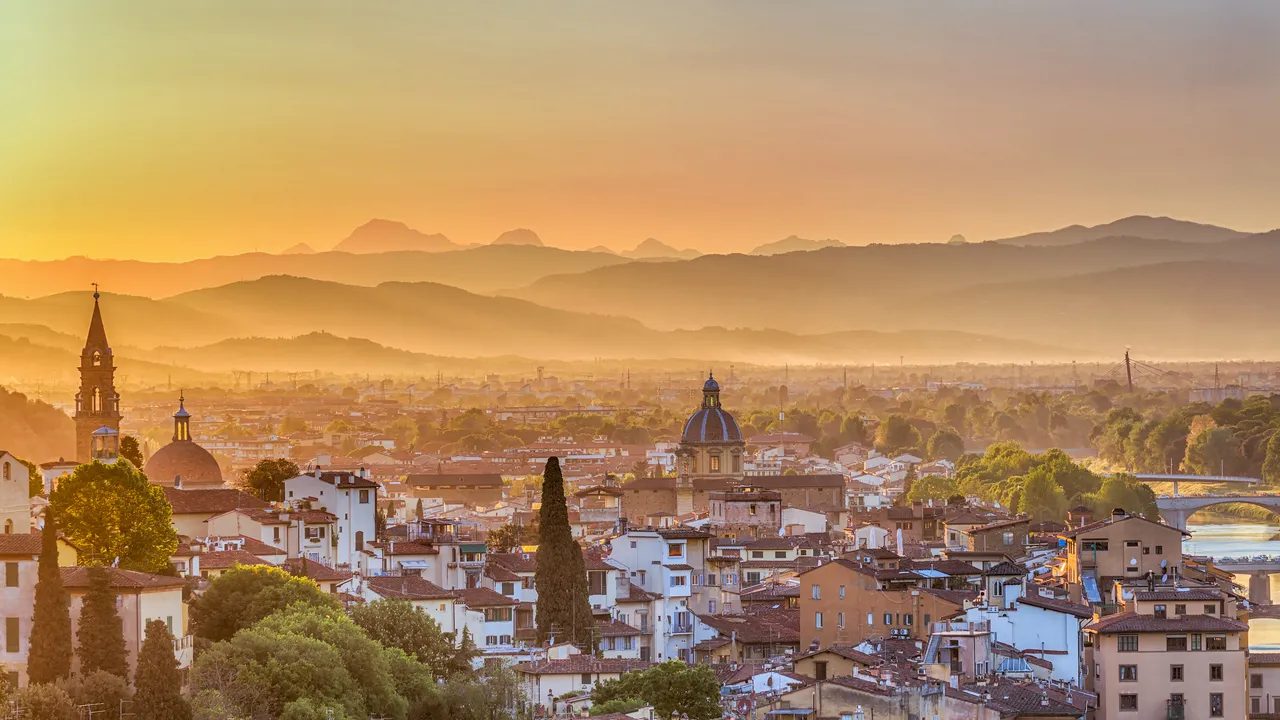
Florence draws roughly 10 million visitors annually, a figure that has reshaped the city's character over recent decades. Tour groups, buses, and crowds have grown so dense that residents increasingly feel sidelined in their own city. Yet the birthplace of the Renaissance is not static.
The transformation is visible across multiple fronts. On the dining scene, younger restaurateurs and chefs are loosening strict culinary conventions, operating alongside traditional trattorie while bringing more experimental approaches to Tuscan food. The bar culture has similarly modernized, with attention to craft cocktails becoming as standard as wine-focused establishments.
New museums and markets are opening, and behind Florence's classic architectural facades—whether in boutique hotels or independent shops—smart design and contemporary spaces are emerging. Recent hotel openings include Collegio alla Querce, an Auberge Collection property, and The James, a design-forward addition marketed toward travelers seeking contemporary luxury alongside historical setting.
This shift reflects a broader pattern: Florence has reinvented itself repeatedly since the 14th century. The current cycle differs from past waves because it targets quality and innovation rather than pure volume. Younger, well-traveled entrepreneurs are deliberately challenging Florence's image as a frozen-in-time destination, introducing modern dining concepts, hospitality standards, and cultural programming.
The challenge remains acute. Florence's appeal rests on its historical authenticity—the palaces, art, and Tuscan cuisine that draw millions. As modernization accelerates, the question of how the city preserves what made it iconic while becoming liveable for its own residents remains unresolved. The reinvention is underway, but whether it alleviates the tension between tourism and local life hinges on execution and the pace of change.