
Cape Town: Table Mountain, Wine Routes, and a City Reinventing Its Cultural Edge
Cape Town combines dramatic mountain scenery with an increasingly sophisticated restaurant and art scene. The city's appeal spreads across neighborhoods, museums, and a nearby Winelands region, supporting stays of varying length and style.

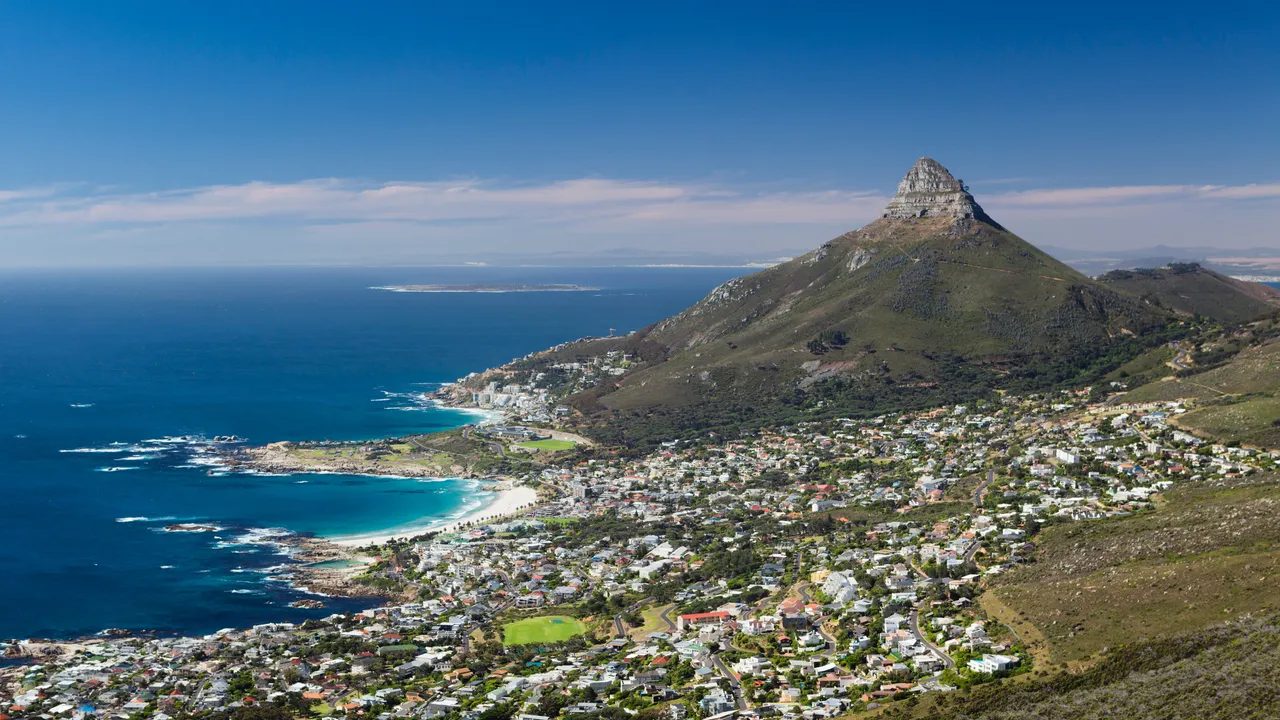
Cape Town's appeal starts with the obvious: Table Mountain rising abruptly above a curved coastline where Atlantic waters meet golden sand. But the city sustains interest through density—neighborhoods with distinct characters, museums anchoring a contemporary art movement, and restaurants that command international attention.
Geography and the Essential View
The defining image arrives on approach: Table Mountain presiding over the coastline. The mountain isn't decorative backdrop; it structures how the city functions. Camps Bay, Bantry Bay, and the Waterfront district each orient around it. Visitors exploring the Cape Peninsula encounter landscapes that shift from manicured to wild—from vineyard rows in the Constantia wine route to the windswept cliffs near Cape Point.
Where to Land
Accommodation clusters by neighborhood. The Waterfront, with properties like One&Only and The Silo Hotel, offers convenience and views but cedes quietness. Camps Bay (Morea House, Autograph Collection) and Bantry Bay (Ellerman House) skew toward residential calm. Interior properties like Mount Nelson, A Belmond Hotel, occupy historic garden settings on the slopes. Budget-conscious travelers find options in more functional neighborhoods; the appeal is location flexibility rather than a single "best" answer.
The Silo Hotel merits attention not for exclusivity but for its design gambit: a conversion of a 1920s grain silo into a contemporary hotel that functions as functional art. It represents the kind of adaptive reuse that signals how the city is repositioning itself.
The Restaurant and Art Ecology
Cape Town's restaurant scene has moved beyond tourist-friendly into the competitive space where chefs develop distinct voices. The city's cultural edge extends into visual art, with galleries like Southern Guild (in Silo 5 on the South Arm) focusing on local makers and contemporary work.
Museums range from institutional (Iziko South African Museum, the national collection) to specialized (South African Jewish Museum) to heritage sites (Castle of Good Hope, a 17th-century fortification). The art scene, according to recent evaluations, runs from cultural anchor points to experimental spaces—indicating the city is generating its own context rather than relying on tourism infrastructure alone.
Timing and the Winelands Angle
Local knowledge identifies July as optimal for nearby Winelands visits. The specificity suggests seasonal variation matters for how the city reads—winter aesthetics differ from summer crush.
What Distinguishes It
Cape Town's draw isn't a single attraction but an accumulation: natural drama, walkable diversity, a restaurant culture with actual ambition, and museums that suggest deeper engagement with history and contemporary practice. The city's complexity—its "rich, if complex, history"—requires more than a weekend to absorb; each neighborhood contains different narratives.
The Mother City nickname reflects affection but also functional reality: it anchors the region. Visitors find they can spend time in the city itself rather than treating it as a gateway to game reserves or wine tours, though both remain accessible.