
Boston Offers History, Food, and Culture Beyond the Hype
Boston's appeal rests on enduring features: historic neighborhoods, an authentic food scene, and cultural depth. Fenway Park and world-class museums anchor visits, while walkable districts and nearby escapes make the city a legitimate alternative to larger Northeast hubs.

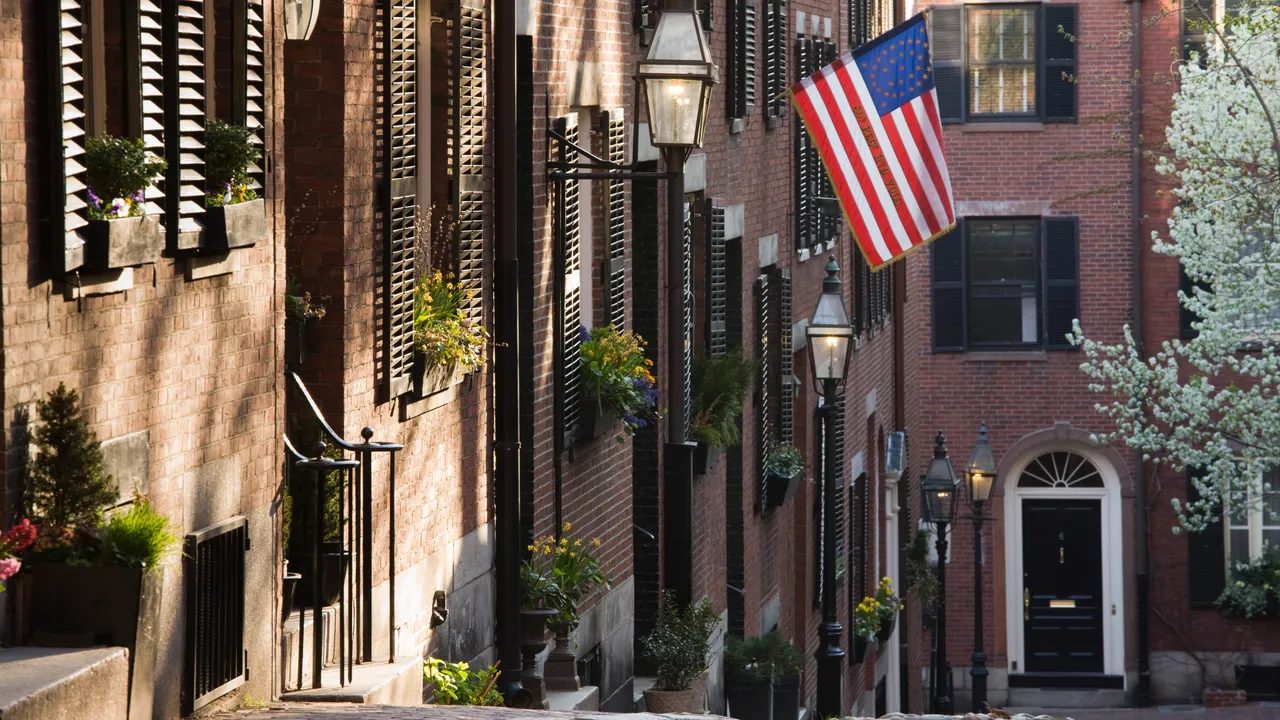
Boston rewards visitors willing to look past the clichés. The city's appeal lies not in novelty but in what endures: Beacon Hill's cobblestoned streets, the North End's authentic Italian food scene, and neighborhoods that feel genuinely lived-in rather than curated for tourism.
Fenway Park, the oldest ballpark in Major League Baseball, sits in the city's heart. The waterfront stretches widely, and Cambridge sits close enough for a day visit. The scale works in Boston's favor—big enough to offer depth, small enough to navigate without exhaustion.
Cultural institutions anchor the experience. The Museum of Science ranks among the world's largest science museums. Historical sites cluster along the Freedom Trail, connecting early American history to contemporary restaurants and shops. The Old State House has operated as a museum for three centuries, offering a physical record of the city's evolution.
The food landscape extends beyond Italian heritage. South End architecture draws visitors between restaurants and galleries. Nantucket, reachable for weekend trips, hosts summer crowds despite rising numbers. Cambridge and neighboring Somerville (locally called "Camberville") offer a less abrasive alternative to Boston's character.
Hotel options span scales. The newly opened Raffles Boston marks the luxury brand's North America debut. Four Seasons occupies One Dalton, a 61-story, 724-foot skyscraper, the third-tallest in Boston. The Liberty, a Luxury Collection property, occupies a transformed Charles Street jail. Mid-tier chains and boutique properties fill the mid-range market.
What distinguishes Boston from comparable Northeast cities is the refusal to overdevelop or reinvent itself entirely. Parts of it deliberately feel lost in time. That tension between preservation and change, history and present use, defines the visitor experience.