Barcelona Beyond the Crowds: Catalan Capital Balances Party Culture with Quieter Pursuits
Barcelona blends party culture with quieter pursuits across its Gothic quarters and Gaudí landmarks. As Catalonia's capital, the city balances late-night energy with contemplative escapes, supported by world-class dining and diverse accommodation options.

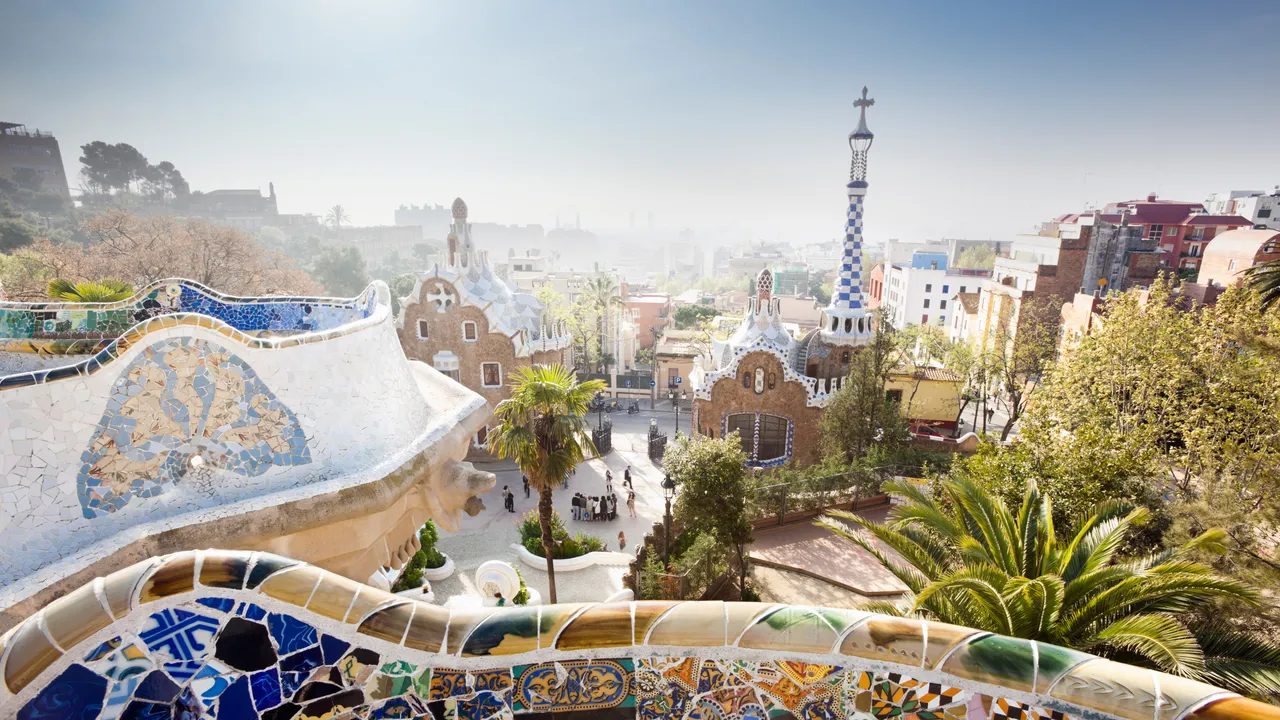
Barcelona functions as more than a tourist destination—it's the capital of Catalonia, a region with its own language, artistic legacy, and periodic political tensions with Spain. Walk the streets and you'll encounter Catalan spoken openly, alongside the architectural imprint of hometown figures like Antoni Gaudí and Joan Miró.
The city's reputation centers on two distinct modes. By night, it transforms into a party destination with venues and energy to match that billing. Yet the same streets offer something quieter: narrow Gothic lanes where time feels suspended, old-school pintxos bars serving anchovies with cava, and moments of genuine tranquility amid the urban sprawl.
For accommodation, the range spans from restored palaces to contemporary luxury. El Palace Barcelona delivers classical opulence on Gran Via. Hotel 1898, despite sitting directly on the bustling La Rambla, manages to offer boutique sanctuary within its suites. The Mandarin Oriental on Passeig de Gràcia commands premium rates, and reviewers credit its comprehensive excellence. For something with historical character, Casa Llimona occupies an authentically restored 1890s palace, while Cotton House Hotel sits in a former private residence.
The dining scene diverges sharply from typical European capitals. Few cities rival Barcelona's restaurant ecosystem, where even casual tapas establishments hold Michelin stars. Wine bars cluster throughout, reflecting the city's position at the intersection of twelve designated wine regions. The food isn't incidental—it anchors the daily rhythm.
Day trips extend beyond the city proper. Badalona, once overshadowed by its larger neighbor, has upgraded its facilities and developed a notable foodie culture that stands independent. Coastal options and wine regions dot the surrounding region.
Barcelona's coherence stems from this tension: it refuses easy categorization as either a party capital or a cultural museum. Visitors encounter both dimensions simultaneously, and neither dominates the actual experience. The city demands time—not a rushing checklist—to register what makes it distinct from other Mediterranean destinations.