
Trump’s AI advisers clash over Chinese open-source threat as Moonshot’s Kimi K3 reshapes the landscape
Trump's AI advisers are publicly feuding over how to respond to Moonshot's free Kimi K3 model, while Anthropic pays a record $1.5 billion copyright settlement. The clash reveals deep fractures in the administration's AI strategy.

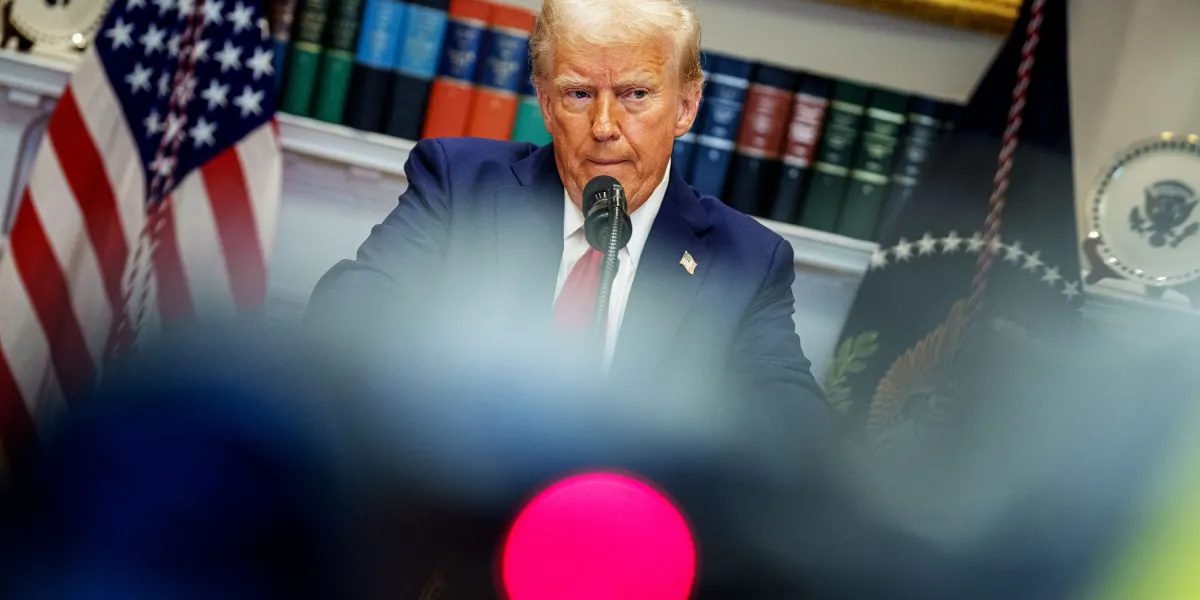
President Donald Trump's AI strategy is fracturing over how to handle Moonshot's Kimi K3, a free Chinese AI model that rivals OpenAI and Anthropic's paid offerings. The disagreement has spilled into public, with senior administration officials trading barbs over whether the US should restrict Chinese AI or embrace open-source competition.
David Sacks, Trump's AI adviser, branded Anthropic's models "lobotomized" and "woke," while Emil Michael, a top Pentagon official, called OpenAI's new head of strategic futures a "supreme village idiot." The row centers on a fundamental problem: every time a capable, free model emerges from China, American companies struggle to justify their pricing. For Anthropic and OpenAI, that means fewer customers willing to pay subscription fees.
Kimi K3's release last week has accelerated existing calls for restrictions on Chinese AI imports. The Trump administration is weighing a potential ban, according to reporting by Axios. But officials remain divided on the proposals. Tech investor Chamath Palihapitiya, speaking on X, warned that intervention would be "a terribly self-defeating form of intervention," signaling Silicon Valley's skepticism about hard-line approaches.
Meanwhile, China is doubling down on its open-source strategy. Beijing is mulling tighter export controls on AI models and chips to prevent Western access to its technology, according to reports from the Financial Times and Reuters. The calculus is clear: by releasing capable open-source models freely, Chinese companies are undercutting American competitors while building global developer goodwill.
In parallel, Anthropic has reached a milestone of its own. A $1.5 billion copyright settlement—the largest known payout of its kind in history—was approved after the company faced lawsuits alleging it used pirated works to train Claude. Reuters reported on the settlement's approval, and while outlets like Engadget noted the record payout, many authors and creators voiced doubts about whether it represented a genuine win, according to TechCrunch. The settlement underscores growing tension between AI training practices and intellectual property rights.
The combined effect is a strategic squeeze on US AI companies. They face pressure from free Chinese competition below and copyright liability above, forcing Trump's team to weigh economic protection against open innovation principles. For now, the White House remains internally divided on which path to take.