
Inside Singapore’s Search for Work-Life Balance
Singapore built its prosperity on long hours. Now a generation of workers is quietly renegotiating how much of a life the job should claim.

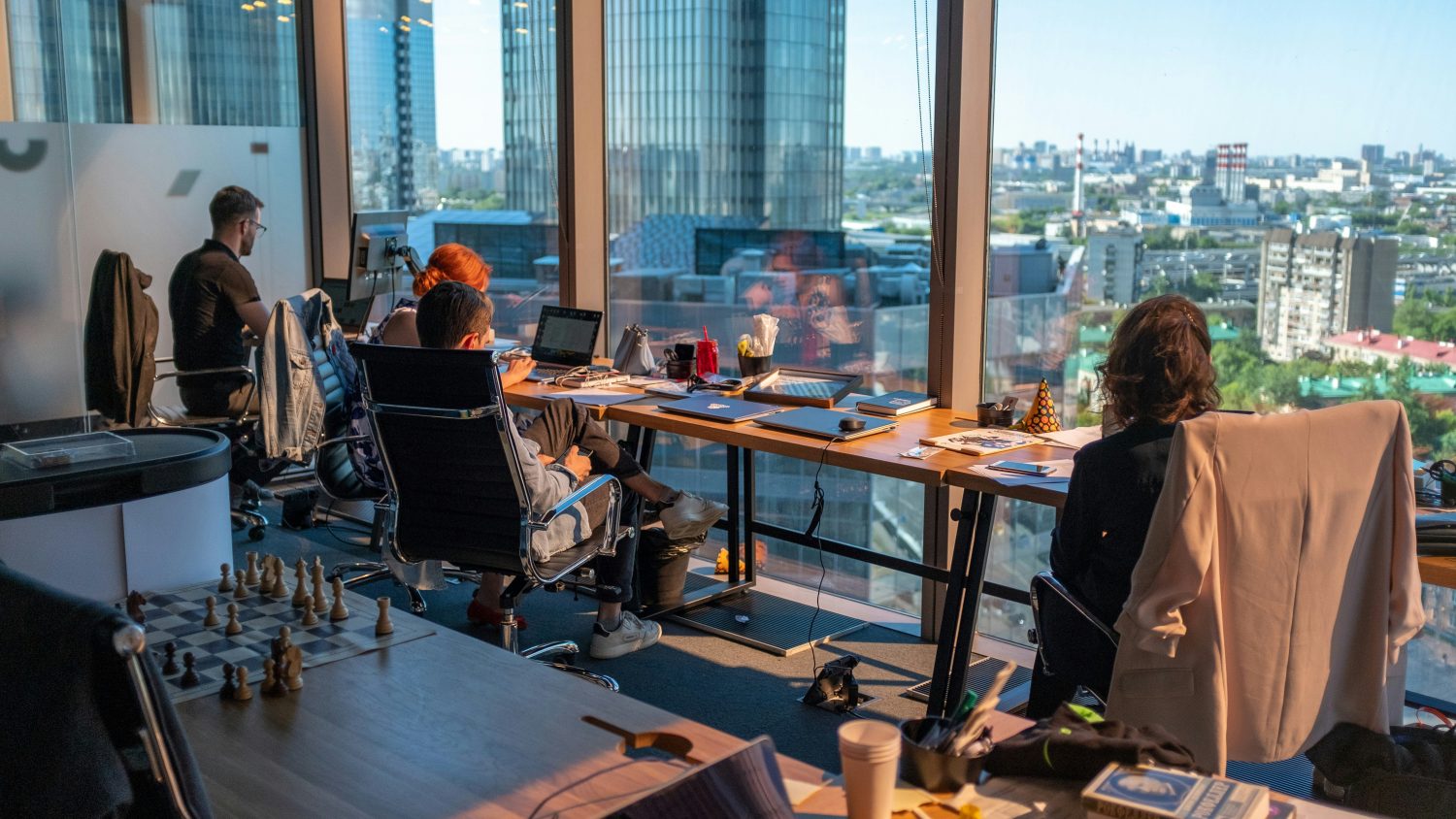
At 7:45 on a weekday evening, the lights in the office towers along Raffles Place still burn. For decades this was the image Singapore exported to the world: a city that ran late, billed long hours, and equated presence with commitment. The desk, occupied past dinner, was the proof of seriousness.
That image is loosening, and the people loosening it are not executives or policymakers. They are workers in their late twenties and thirties who have begun to ask, without much drama, why the day has to look the way it does.
The quiet rebalancing
The shift did not arrive as a movement. It arrived as a series of small decisions. Someone declines the after-hours call. Someone blocks two hours mid-afternoon for a child's appointment and stops apologising for it. Someone moves to a four-day arrangement and tells colleagues it is permanent, not a phase.
What makes Singapore's version distinctive is the tension underneath it. This is a society that built prosperity on discipline and effort, where the idea of slowing down can feel almost like a betrayal of the bargain that lifted earlier generations. So the conversation here is rarely framed as rejection of work. It is framed as a question of arithmetic: how much of a life should the job be allowed to claim.
The pandemic accelerated the asking. When offices emptied and laptops migrated to kitchen tables, the assumption that productivity lived inside a building lost some of its authority. Employees discovered they could deliver from home, and many decided they preferred the commute they no longer had to make.
What employers are testing
In 2024, Singapore introduced guidelines asking employers to consider requests for flexible work arrangements through a formal process rather than a casual yes or no. The framework does not guarantee anyone a shorter week. It does something subtler: it makes the request legitimate, a normal thing to put in writing rather than a favour to be whispered.
That distinction matters in a culture attentive to face and hierarchy. A formal channel removes some of the social cost of asking. It tells a junior employee that wanting Wednesday afternoons back is not a sign of weak ambition.
Companies have responded unevenly. Some larger firms, particularly in technology and finance, have leaned into hybrid schedules, partly to retain talent in a competitive market. Others, especially smaller businesses with thin margins, remain wary, worried that flexibility for one becomes resentment for another. The result is a patchwork, generous in some buildings, unchanged in others.
The generational seam
Talk to managers and a familiar fault line appears. Those who came up under the old rules sometimes read flexibility as a softening of standards. They remember when staying late was how you signalled you belonged. Younger colleagues see the same hours differently, as time spent rather than value created.
Neither side is entirely wrong, which is what makes the negotiation genuine. Long hours can mask inefficiency. They can also reflect real commitment in fields where the work simply does not stop. The honest version of this conversation admits both things at once.
What has changed is that the question is now permitted. A decade ago, raising it could be career-limiting. Today it appears in performance reviews, in recruitment pitches, in the quiet calculations people make before accepting an offer.
A city deciding what it values
Singapore's economy still rewards intensity, and nobody seriously expects the towers to go dark at five. The ambition that defines the city is not in retreat. But its terms are being rewritten by people who want the ambition to leave room for something else: a parent's last years, a child's school pickup, an evening that belongs to no one but themselves.
The search for balance here is not loud. It is a series of private adjustments adding up to something that may, in time, look like a different default. The city that taught itself to work is now teaching itself to stop, and watching, carefully, to see what it gains.