
Perimenopause Marketing Has Outpaced Medical Reality
Social media hype is pushing unproven supplements and inappropriate hormone therapy on perimenopausal women. Experts warn that much of the online guidance lacks scientific backing.

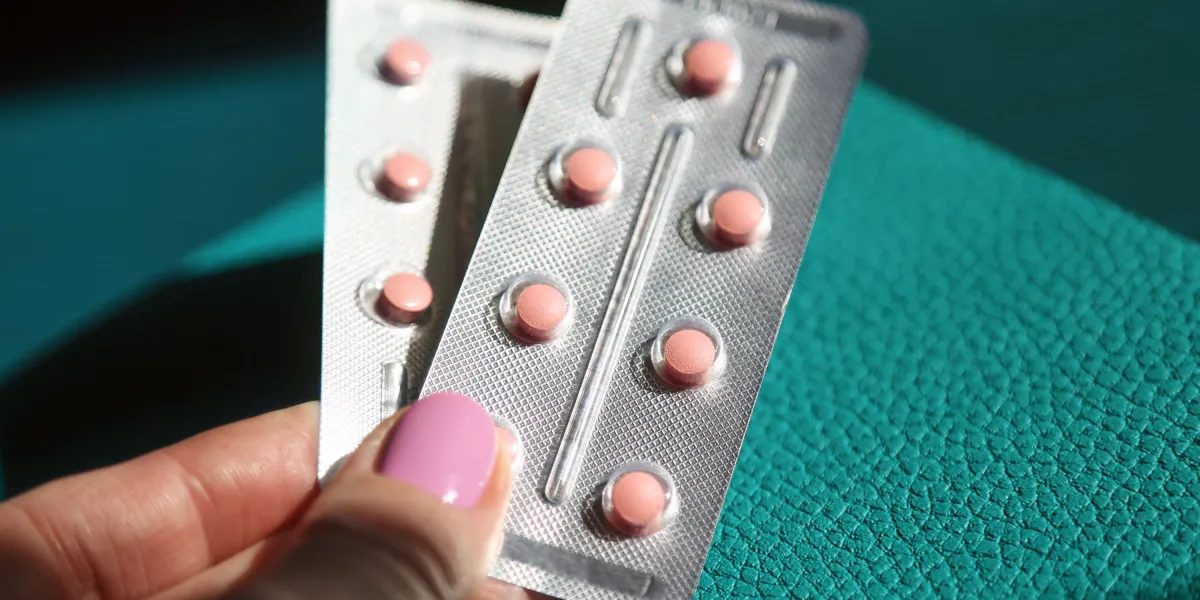
Perimenopause has become a dominant online narrative, with influencers and TV doctors framing it as a health crisis requiring immediate intervention. The problem: much of the guidance circulating on social media lacks scientific backing.
Perimenopause, the years-long transition before menopause (defined as one year without a period), typically starts around age 46 or 47. Hormones do fluctuate during this phase, and symptoms like hot flashes, irregular periods, and anxiety can be severe. But here's where the hype diverges from medicine: there is no blood test for perimenopause.
"You can't interpret hormone measures because they change so much," says Mary Ann Lumsden, former president of the International Menopause Society. "And that is quite normal."
Despite this, women are being encouraged online to assume they're perimenopausal and seek hormone replacement therapy (HRT) as a first resort. The issue is that HRT was developed and tested for menopausal women—those past their final period—not for perimenopausal women whose bodies are still producing hormones. "If you give standard HRT, it may well get swamped by the woman's own hormone production," Lumsden explains. HRT can also trigger abnormal bleeding in perimenopausal women.
Paula Briggs, former chair of the British Menopause Society, expressed concern about this messaging. "It's almost cult-like, this idea that everybody must have HRT," she said.
The supplement industry has capitalized on perimenopause awareness with targeted marketing to middle-aged women. But evidence for most of these products is limited or absent. Some of Lumsden's patients reported taking testosterone supplements to manage symptoms, yet blood tests revealed no increase in testosterone levels. "Whatever they're getting, it's not testosterone," Lumsden said.
Not all midlife symptoms are hormonal either. Fatigue, brain fog, digestive issues, and joint pain appear frequently on perimenopause symptom lists circulating online, but they don't correlate closely with hormonal changes across menopause, according to Nanette Santoro, a professor of obstetrics and gynecology at the University of Colorado Anschutz who studies menopause.
Women in their 40s also face competing demands—managing children, aging parents, and careers—creating genuine exhaustion that gets misattributed to hormones. "Attributing everything unpleasant that happens to a woman over 35 to perimenopause is not based on any scientific evidence," Santoro said.
The takeaway is straightforward: if you're experiencing symptoms, get them checked. But assume perimenopause is the culprit, or that HRT is the default solution, at your own risk.