
Heat pump sales surge despite end of US tax credits
US heat pump sales are climbing even after tax credits ended in January 2026, suggesting the market has matured beyond government incentives. Heat pumps outsold natural-gas furnaces by 32% in Q1 2026.

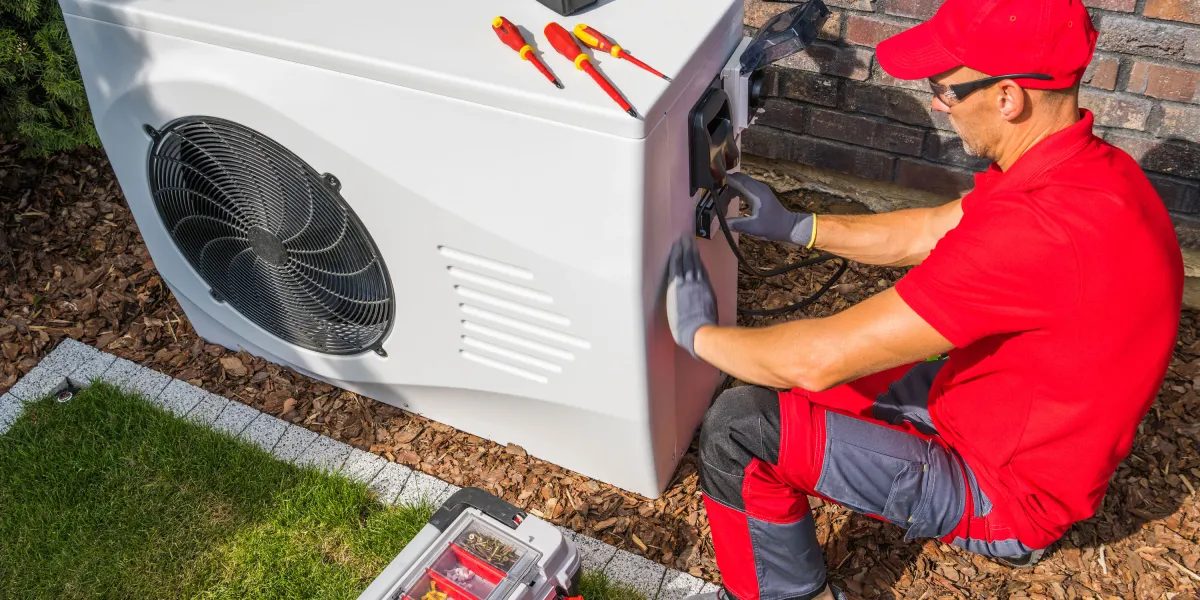
Heat pump sales in the US have continued climbing into 2026, defying expectations that the elimination of federal tax credits would dampen demand. According to data from the Air Conditioning, Heating, and Refrigeration Institute, shipments remained flat from December through January, then increased gradually through spring—following seasonal patterns but stronger than in previous years.
This trajectory matters because a major policy shift preceded it. From 2023 through 2025, US homeowners installing heat pumps qualified for up to $2,000 in tax credits as part of the Inflation Reduction Act. Those credits ended January 1, 2026, when the Trump administration eliminated them along with other clean energy incentives.
The contrast with electric vehicles is stark. EV tax credits of up to $7,500 ended September 30, 2025, triggering a spike in sales before the deadline followed by a sharp decline. Heat pumps have shown no such pattern.
Lucas Davis, an energy economist at UC Berkeley, analyzed the data and concluded the credit wasn't driving adoption in the first place. "It appears that the U.S. market for heat pumps is strong enough that it does not depend on tax credits," he wrote in a recent analysis. The underlying economics appear to be doing the work instead.
Heat pumps operate by using electricity to move heat from one location to another through refrigerant cycles. Once installed, they typically cost significantly less to operate than gas furnaces or oil systems. Over their lifetime, the efficiency gains offset higher upfront installation costs. That economic case persists whether or not tax incentives exist.
The numbers underscore a market shift. Heat pump sales have doubled over the past 15 years. More tellingly, they outsold natural-gas furnaces by 32% during the first quarter of 2026—the first time an alternative heating technology has maintained consistent dominance in the US market. Heat pumps have now outpaced gas furnaces for four consecutive years.
The trend extends beyond the US. China and Germany have both seen strong adoption momentum in recent years, suggesting heat pumps are gaining traction globally as a decarbonization tool rather than remaining a niche technology dependent on subsidy cycles.
The heating sector's transition differs fundamentally from earlier clean energy adoption curves. Many emerging technologies require sustained incentives to overcome cost barriers. Heat pumps appear to have reached a threshold where their operational savings justify purchase and installation costs without additional financial nudging. Policy support accelerated the process, but the underlying case—lower long-term costs and reduced emissions—now stands alone.