
India’s viral snowy tourist spot draws crowds despite hidden dangers
A viral snowy tourist spot in Rajasthan has become popular on social media, but authorities warn of serious health and safety hazards beneath its picturesque appearance.

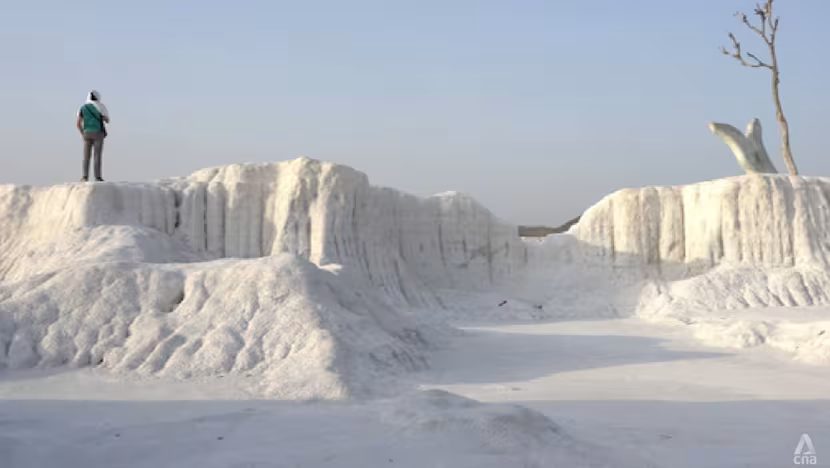
A picturesque destination in India has become a social media sensation, attracting throngs of visitors seeking Instagram-worthy moments at what appears to be a snow-covered landscape. However, the spot masks serious safety concerns that authorities and environmental experts are now flagging.
Kishangarh, located in Rajasthan, has surged in popularity after images of its white, frost-like appearance circulated online. The striking visuals have drawn tourists in large numbers, many arriving unprepared for the conditions they encounter. Local officials have raised alarms about the lack of infrastructure to manage visitor flows, with narrow roads becoming congested and emergency access compromised.
The greater risk lies beneath the surface. Environmental assessments reveal that the white coating is not natural snow but industrial residue—likely from nearby factories or mining operations. Prolonged exposure to these materials poses respiratory and dermal health hazards, particularly for children and those with existing health conditions. The site also presents physical dangers: unstable terrain, unmarked hazards, and absence of safety barriers have led to minor injuries among visitors.
Local authorities have begun installing warning signs and exploring visitor management protocols, though enforcement remains inconsistent. Travel and tourism bodies are urging visitors to exercise caution and research destinations thoroughly before visiting, emphasising that viral appeal does not guarantee safety or environmental integrity. The situation highlights a broader challenge facing India's tourism sector: balancing the economic benefits of social media-driven tourism with the protection of public health and environmental standards.