Javier Bardem’s Careful Craft: The Professionalism Behind ‘Cape Fear’ Violence
Javier Bardem demonstrated careful professionalism when filming intense scenes with Lily Collias for Apple TV+'s 'Cape Fear' finale.

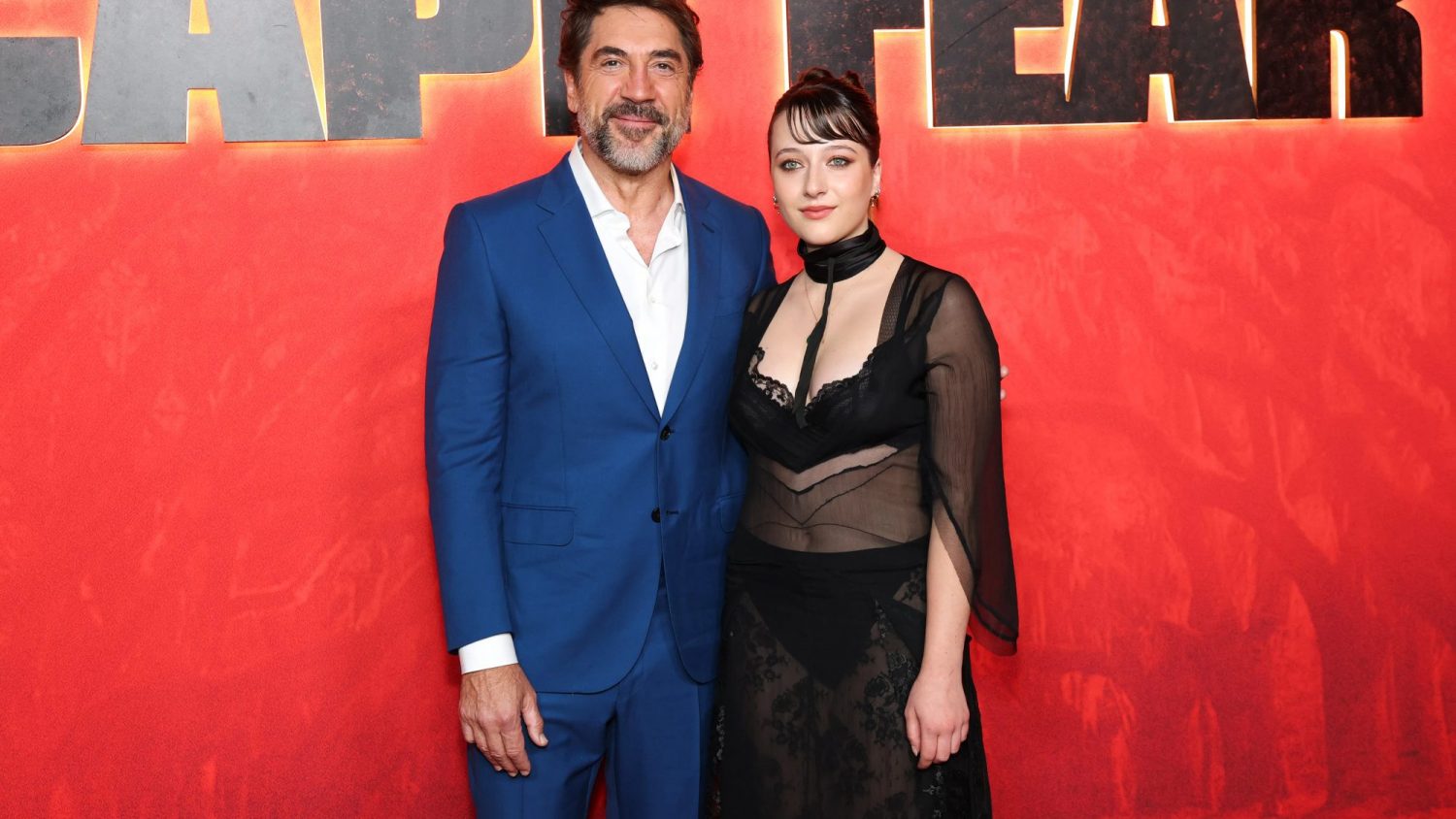
When Javier Bardem signed on to reimagine Max Cady for Apple TV+'s "Cape Fear," he inherited a role that had haunted cinema for decades. Robert Mitchum embodied the character's rage in 1962; Robert De Niro channelled his menace in 1991. Bardem's interpretation, which concluded the summer series in 2026, leaned into something more unsettling: long stretches of perceived stillness that heightened every moment of tension.
For the finale's climactic home invasion sequence, Bardem and co-star Lily Collias—who plays Natalie Bowden, the teenage daughter caught between her parents (Amy Adams and Patrick Wilson) and Cady's vendetta—faced scenes of explicit physicality. Rather than relying on movie-star bravado, Bardem demonstrated an approach to on-set collaboration that prioritised clear communication and mutual respect.
Before filming a moment in which Cady grabs Natalie by the hair, Bardem paused production to seek explicit consent. "He's like, 'I'm so sorry, my love. Is it OK if I just—I'm going to grab you like that?'" Collias recalled in an interview with Variety following the finale's New York screening in July 2026. The moment became emblematic of how professional actors navigate physical scenes without sacrificing performance.
The Art of Imagined Violence
Collias described the entire finale as a masterclass in controlled intensity. "Episode 10 felt almost like a play," she told Variety. "It was just the family and him in the house, and we were doing the most insane things and laughing so hard off camera." That tonal balance—moving between the character's genuine peril and the crew's collaborative joy—defined the shoot.
When Bardem was asked about inhabiting such a volatile character, he reframed violence as artifice. "For me, it's more about a game," he said. "You use your imagination to jump in and step out of it. I respect everybody's process, as long as those processes respect other people's processes." His philosophy underscores a shift in contemporary acting: the understanding that intensity needn't override safety or humanity on set.
Collias reflected on the strange psychology of the production schedule. "We're playing cat and mouse, and then the cameras turn off, and I still feel like a mouse," she said. "And he still feels like Tom from 'Tom and Jerry.'" The metaphor captured how roles can linger in the body even after take completion, and why clear communication between actors becomes essential to resetting that psychological state.
Craft Over Spectacle
Bardem's career has long balanced restraint with explosive moments. His 2007 turn as Anton Chigurh in "No Country for Old Men" proved that the most unsettling performances often stem from what remains unspoken. Nearly two decades later, "Cape Fear" allowed him to refine that approach across ten episodes, building Cady's menace through silence and suggestion rather than constant aggression.
The finale's physicality was staged with the same precision as any quiet moment. By discussing each violent sequence beforehand and ensuring his scene partner felt secure, Bardem modelled a professionalism that the industry is increasingly recognising as both ethical and dramatically superior. Actors who trust each other's intentions and boundaries often deliver more convincing performances; the security of consent paradoxically frees performers to commit fully to fictional danger.
As streaming platforms expand their investment in high-stakes drama, the question of how to stage credible violence responsibly has become central to production design. Bardem's approach—apologising in advance, checking comfort levels, treating physicality as collaborative choreography rather than domination—suggests that the most effective performances emerge from environments where all parties feel genuinely heard.