
Korean graphic novel ‘Purgatory Funeral Cakes’ wins Eisner Award in historic first
Korean cartoonist Sanho's 'Purgatory Funeral Cakes' becomes the first Korean graphic novel to win at the prestigious Will Eisner Comic Industry Awards.

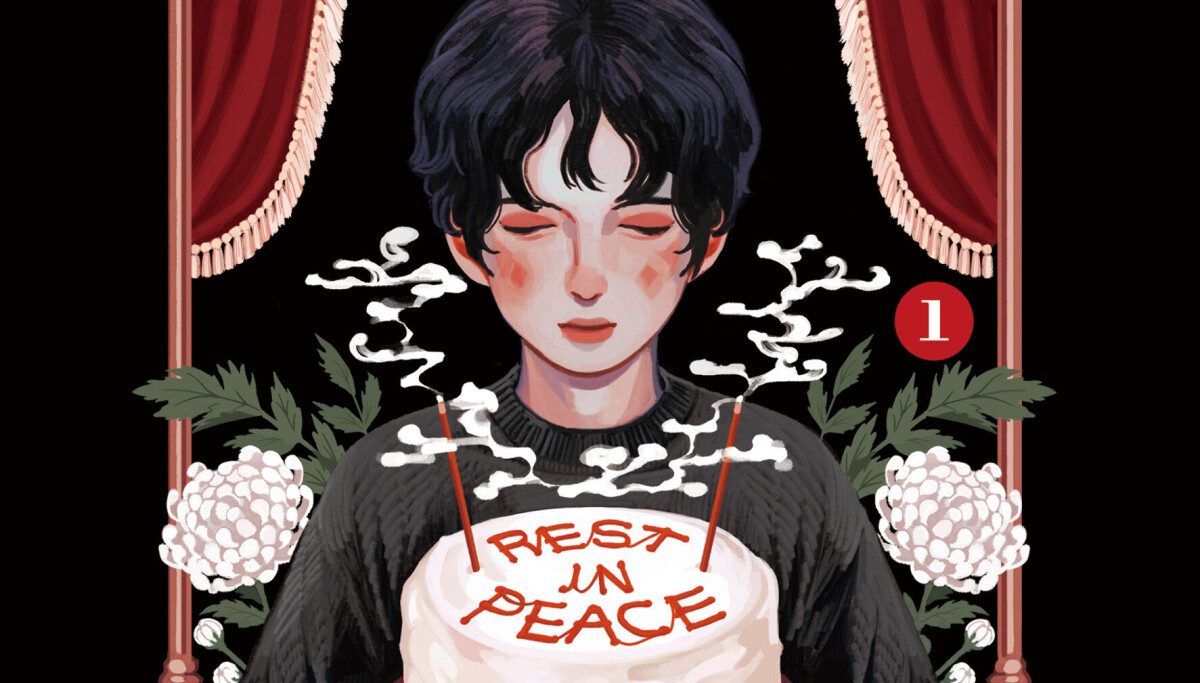
A Korean graphic novel has achieved a milestone that eluded the country's comics for decades: winning a major Eisner Award. "Purgatory Funeral Cakes" by cartoonist Sanho claimed the Best U.S. Edition of International Material-Asia prize at the 38th Will Eisner Comic Industry Awards on 24 July at the Hilton Bayfront in San Diego during Comic-Con International.
The award marks the first time a Korean work has won in this category, despite previous nominations. Korean titles such as "The Story of Life on the Golden Fields" by Kim Dong-hwa, "Grass" by Keum Suk Gendry-Kim, and "Hellbound" by Yeon Sang-ho and Choi Kyu-seok had been recognised as finalists in past years, but none had secured a win.
The Story Behind the Work
Originally published in Korea, "Purgatory Funeral Cakes" is a fantasy narrative centred on a mysterious shop that bakes cakes for the dead. In the story's mythology, these cakes serve as sustenance for souls traversing the purgatory plains for 49 days before reaching the gate of reincarnation. The English-language edition arrived in North America in 2025 through U.S. publisher Dark Horse Comics, with translation by Danny Lim.
The Eisner Awards, often called the "Oscars of comics," are regarded as one of the "big three" international comics prizes alongside France's Angouleme International Comics Festival and the American Harvey Awards. The Best U.S. Edition of International Material-Asia category specifically recognises the finest English-language translations of Asian comics published in North America—a distinction that positions "Purgatory Funeral Cakes" within a global conversation about comics as serious literary art.
What This Means for Korean Comics
The win signals growing recognition of Korean graphic storytelling on the international stage. Korea's webtoon industry has long dominated digital sequential art globally, yet its print comics have received less mainstream institutional recognition in Western awards. This victory reflects both the quality of Sanho's work and Dark Horse's commitment to bringing Korean voices to English-speaking readers. For Korean publishers and creators, the award provides validation that domestic talent can compete at the highest levels of the international comics industry.