Korean novels capture Turkish readers as K-literature sales surge
Turkish translations of Korean novels topped LTI Korea's 2025 best-seller list, with Hwang Bo-reum's *Welcome to the Hyunam-dong Bookshop* selling nearly 70,000 copies.

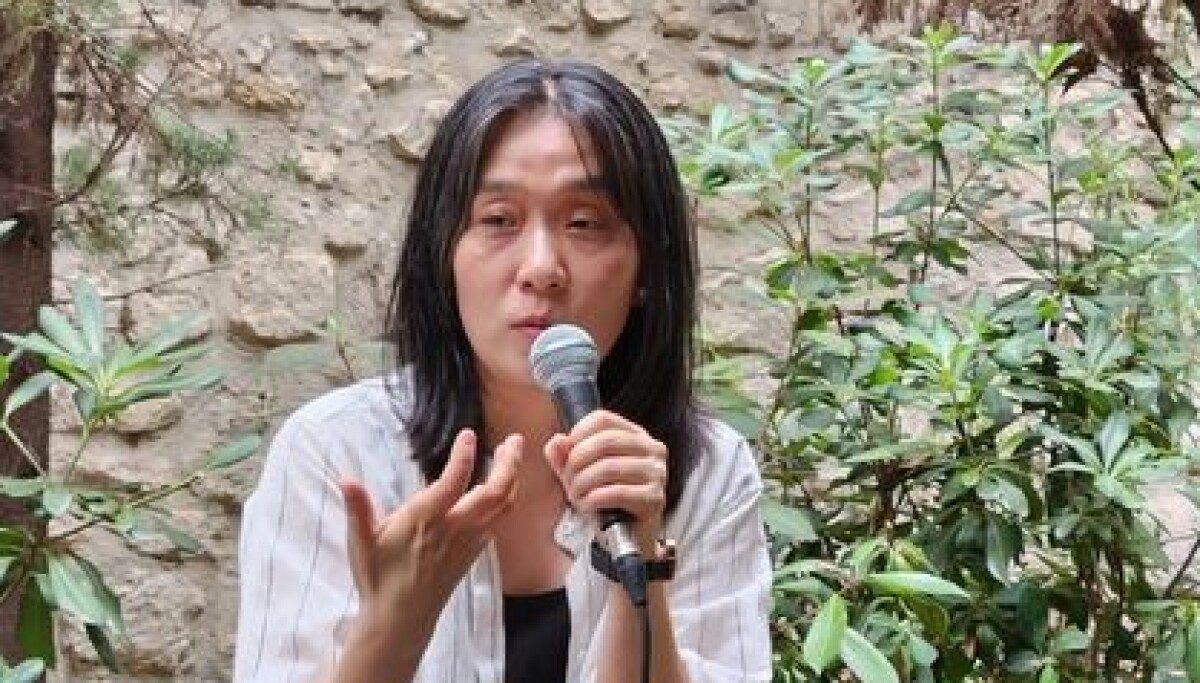
Turkish readers have become an unexpected powerhouse for Korean literature. According to the Literature Translation Institute of Korea (LTI Korea), the Turkish translation of Hwang Bo-reum's 2022 novel Welcome to the Hyunam-dong Bookshop was the most-sold title among all works the institute supported in 2025. The edition, published in 2023, sold nearly 70,000 copies last year and reached its 190th printing.
The achievement is particularly striking given Turkey's smaller English-reading population. Among the 28 top-selling LTI Korea-supported titles in 2025, Turkish translations dominated the upper ranks. Han Kang's We Do Not Part (2021) placed second with over 60,000 English copies sold, whilst Cheon Seon-ran's A Thousand Blues claimed sixth spot. Other Turkish editions in the top tier included Han Kang's Your Cold Hands at 13th and We Do Not Part again at 21st in Turkish translation.
The Istanbul turning point
Turkey's enthusiasm for Korean literature is relatively recent. The first Korean work translated into Turkish appeared in 1993, but serious interest remained sparse for over two decades. The watershed moment arrived in 2016 when Han Kang's The Vegetarian (2007) won the International Booker Prize—a victory that surprised Turkish media expecting their own Nobel laureate Orhan Pamuk to prevail. The win triggered intensive coverage and sparked widespread curiosity about Korean writing.
By 2017, Turkey was selected as guest of honour at the Istanbul International Book Fair, a moment that accelerated translations. Four Korean works entered Turkish that year alone. Between 2017 and 2025, 52 of the 66 total Korean literary works translated into Turkish were published, revealing the pace of recent expansion.
Why Turkish readers connect
Literary translator Lee Nan-a attributes the resonance to shared history and values. "The patriarchal elements depicted in The Vegetarian also exist in Turkey, while the May 18 Gwangju Democratisation Movement portrayed in Han Kang's Human Acts has parallels in events that took place in Turkey around the same period," Lee explained, noting such parallels make Korean narratives feel locally relevant.
The Korean Wave has amplified this effect. The television drama Doctor Cha (2023) was remade in Turkey as Bahar (2024–25), achieving the highest ratings in the country's broadcast history. According to Muge Kubra Oguz, who translated Hwang's 2023 essay collection Simple Living into Turkish in 2025, many readers first encountered Korean culture through dramas and films before gravitating toward literature. "Readers have developed trust in Korean literature," Oguz said, "and naturally go on to seek out works by other Korean authors after enjoying one book."
The trend reflects a broader shift in how international audiences discover literature. Instead of pursuing canonical Western canons, readers follow cultural pathways—from screen to page, from one author to an entire literary tradition.