South Korea tests monthly vouchers to stem rural depopulation
South Korea launches a monthly voucher scheme in shrinking rural areas to counter decades of urban migration and demographic decline.

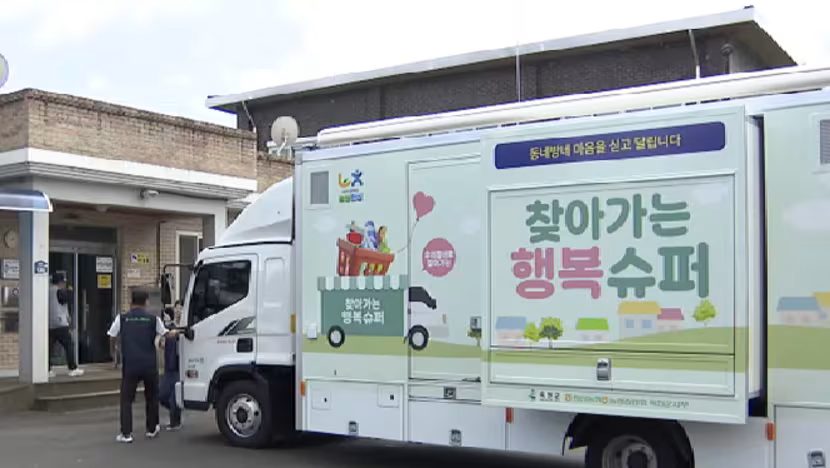
South Korea is piloting a monthly voucher programme to reverse the exodus from its rural regions, where population decline has accelerated for decades as young people migrate to Seoul and other major cities.
According to Channel NewsAsia, the initiative distributes regular cash payments to residents in shrinking rural areas, designed to boost local spending and encourage people to remain in or relocate to countryside communities. The scheme targets regions where ageing populations and youth outmigration have left schools closed, businesses shuttered, and entire villages at risk of abandonment.
The voucher model reflects a broader policy challenge across East Asia: how to make rural life economically viable when metropolitan job markets and amenities pull working-age populations toward urban centres. South Korea's experiment sits alongside similar initiatives in Japan and other regional economies attempting to reverse demographic hollowing.
While the mechanism is straightforward—direct cash transfers to incentivise local consumption—success hinges on whether vouchers alone can address deeper structural issues: limited employment opportunities, underdeveloped infrastructure, and fewer educational institutions in countryside areas. Officials have not yet released comprehensive data on uptake or measurable impacts on migration patterns.
The pilot reflects mounting pressure on Seoul's government to stabilise rural demographics before population imbalance becomes irreversible, though economists remain cautious about whether cash transfers can reverse multi-generational urbanisation trends without parallel investments in rural job creation and services.