
Four US Microreactors Reach Criticality as China Weighs Nvidia H200 Access
Four US microreactors hit criticality on July 4, while China prepares to let Alibaba, ByteDance, and DeepSeek buy Nvidia H200 chips it had previously blocked.

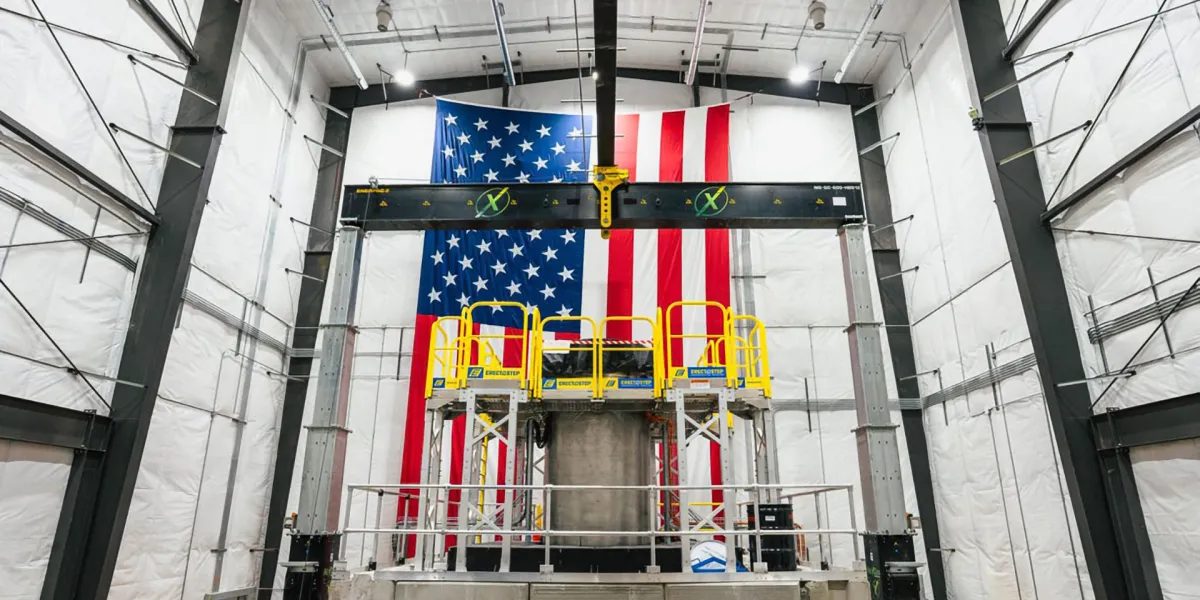
Four US microreactors have achieved criticality, the technical threshold confirming a reactor can sustain a nuclear chain reaction, meeting a target the Trump administration set for the country's 250th birthday on July 4. The administration had called for three new microreactors to reach the milestone by that date; four did, according to MIT Technology Review.
Criticality is a meaningful marker for the nuclear sector, but it is not the same as generating power. A reactor that sustains a chain reaction still faces a long path before it can feed electricity to the grid, and there is no guarantee any of the four will ultimately do so. The milestone signals momentum for advanced nuclear designs at a moment when demand for electricity, particularly emissions-free supply, is climbing. Where the four companies go next will determine whether the achievement translates into deployed capacity.
China moves toward allowing H200 purchases
Separately, China is preparing to permit its leading AI developers to buy Nvidia's H200 chips, according to The Information. Alibaba, ByteDance, and DeepSeek are among the firms expected to receive approval.
The shift is notable because the constraint here has been coming from Beijing, not Washington. Reuters reported that China had previously withheld its own approval even though US authorities had cleared the sales. That dynamic inverts the more familiar story of American export controls limiting what Chinese companies can access. If the approvals proceed, they would give three of China's most active AI players a clearer route to high-end Nvidia hardware for training and running large models.
Other developments worth tracking
NATO is building a detection network aimed at Russian intrusions, combining sensors, drones, satellites, and AI to identify threats early, per Business Insider. The effort comes as troops adopt unconventional camouflage to evade drones and as the US pushes for cheaper drone platforms after losing Reapers to Iranian systems, according to reporting in the Economist and Ars Technica.
Researchers have floated solar dimming as a possible tool against future El Niño events, deflecting sunlight to cool ocean surfaces, Wired reported, though New Scientist noted the approach carries unpredictable side effects.
Meta has filed a patent for an AI device that records users to analyze their emotions, ostensibly to adjust workout plans to a person's mood, according to 404 Media.
As Moore's Law slows, chipmakers are stacking transistors vertically to keep performance gains coming, the Economist reported, a technique IBM is backing.
An Ars Technica report described Ivy League students suspected of using AI to cheat seeing their scores fall from 96% to 48% when tested in person.
A judge approved Elon Musk's $1.5 million settlement with the SEC over Twitter stock disclosure rules, despite citing "serious misgivings" and "red flags," according to Reuters.