Ben Ainslie acknowledges ‘cringeworthy’ outbursts as British SailGP team seeks consistency after rough patch
The British SailGP captain reflects on recent struggles, communication missteps, and Australia's unprecedented dominance. His team seeks consistency after a last-place finish in Rio and a Halifax crash.

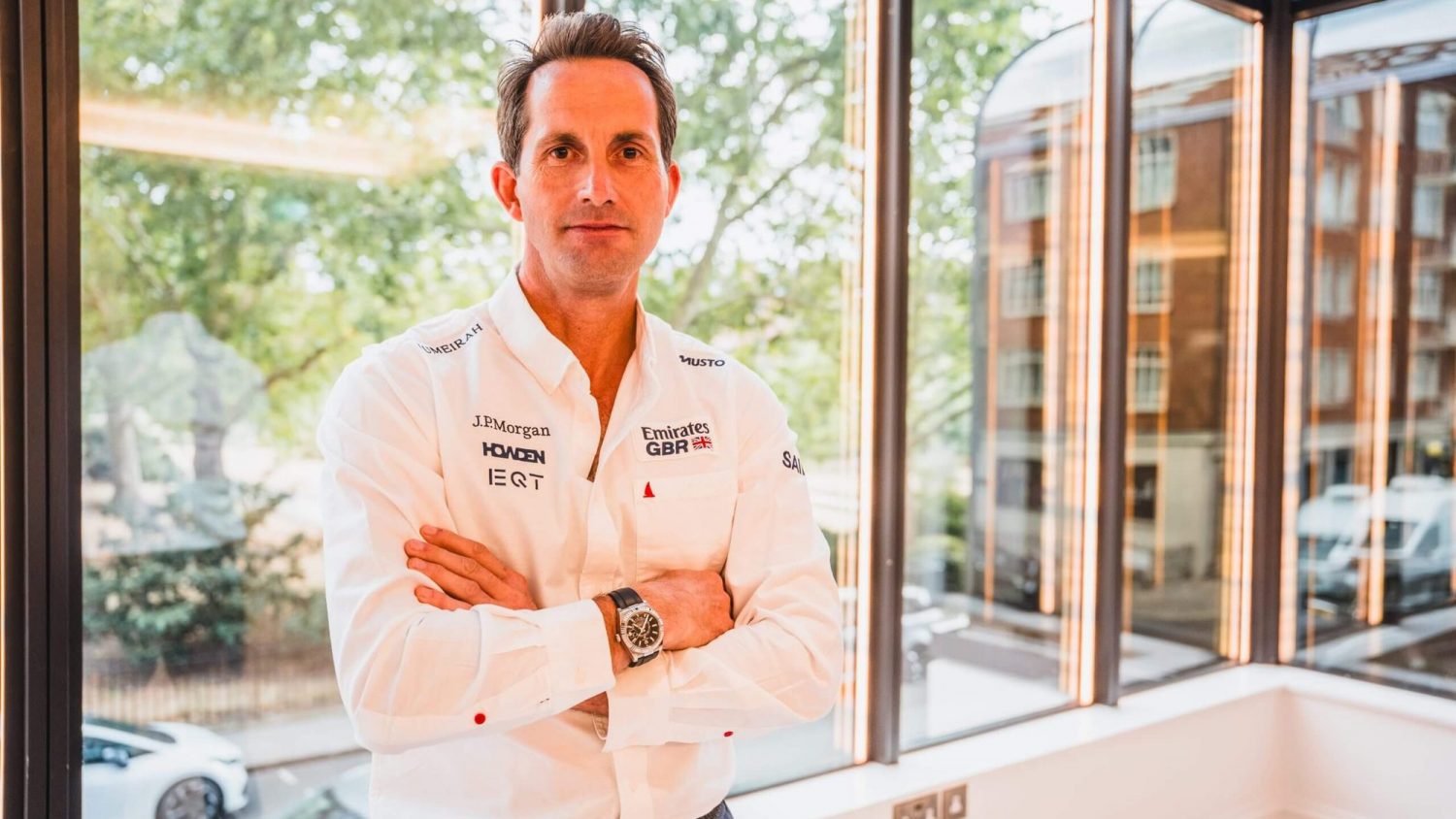
Sir Ben Ainslie's British SailGP team is fighting to recover momentum after a turbulent stretch that included a last-place finish in Rio de Janeiro and a costly boat crash in Halifax. The four-time Olympic gold medalist acknowledged lapses in onboard communication and the challenges of maintaining consistency in a sport where marginal errors cascade into poor results.
The team's struggles stand in sharp contrast to their championship-winning 2025 season and early promise this year. Rio de Janeiro marked a low point—Britain's worst SailGP result since their boat hit rocks in Copenhagen in August 2022. The subsequent races in Bermuda and New York showed improvement, but a crash during practice in Halifax erased what momentum had been rebuilt.
Fletchter, the British team's driver, attributed the Halifax incident to operator error: a mistimed high-speed jibing maneuver executed in stronger winds than forecast while using the fragile 27.5-meter wing rig. The mistake knocked the team out of the event entirely.
"The mistake looked relatively innocuous, but it obviously wasn't, and ultimately it took the team out of the event," Ainslie told The Athletic. "It was really frustrating for everybody."
One factor contributing to communication breakdowns is the departure of wing trimmer Iain Jensen, who left for Australia's Flying Roos—the league's dominant team this season. Tom Slingsby's crew achieved an unprecedented feat in Rio with four consecutive race wins, a consistency level not previously seen on SailGP's tight circuits.
Ainslie directly addressed his own communication style after reviewing onboard audio recordings, which all SailGP teams can access and analyze. The league collects approximately 80 billion data points per event, including audio from every boat.
"Hearing it back, it's always amusing—or cringeworthy—depending on where you sit," Ainslie said. "When you listen back to those recordings, you think, 'Did I really say that?' or 'Is that really going to help us get across the finish line any quicker?' One hundred percent no."
He framed the issue as part of sports development. "Communication is absolutely critical. That's one of the great things with SailGP, that you've got that data, you've got that audio feedback, and the ability for the coaches to really get into the detail of what was said."
The British team enters the Portsmouth SailGP race—their home event—seeking the kind of second-half surge they managed a year prior. Ainslie expressed hope that consistency improvements would materialize this weekend, mirroring last season's trajectory when Britain dominated the final months.
Beyond SailGP, Ainslie has navigated significant off-water pressures. In April, he ran the London Marathon for the first time, describing the physical toll. More consequentially, incendiary legal claims surfaced in June from a dispute between his Athena Racing team and INEOS, his former financial backer, over the America's Cup boat.
Ainslie acknowledged that SailGP's transparency—both in data sharing and media coverage—differs markedly from most of his career. "For sailing, and for all sports now, to be commercially successful, you have to open the doors," he noted. "Formula 1 is the best example of that."